You stack another log, watch the flames curl up the flue, and feel barely any heat in the room. The fireplace looks great, but your furnace is doing all the work. Sound familiar? A standard open fireplace is one of the least efficient heat sources you can run — it often pulls more warm air out of your house than it puts back in. But you don’t have to rip it out or switch to gas.
This article walks you through the concrete steps that actually change how much heat you get from a wood fire. You’ll learn why most fireplaces waste heat, what wood works best, and which upgrades pay for themselves in one season. I’ve been installing and testing fireplace equipment for over a decade, and these are the fixes I recommend to friends who want to stop feeding logs into a money pit.
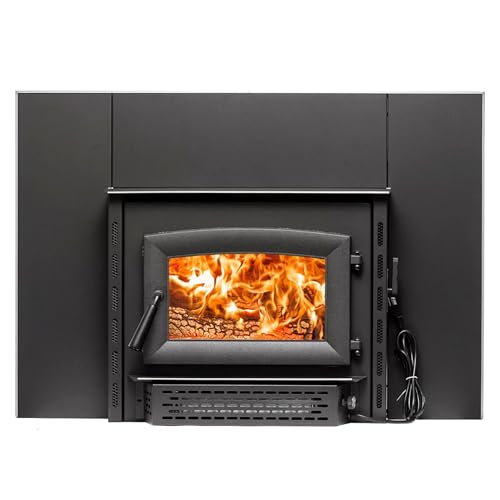
UNITED STATES STOVE Co
US Stove 1,200 Sq. Ft. Wood Insert
Large hearth surround: 31 In. x 44 In.
See on AmazonIf you’re ready to boost your wood fireplace efficiency, start with the hardware that turns a heat-losing hole in the wall into a genuine heating appliance.
A wood insert like the US Stove 1,200 Sq. Ft. Wood Insert (model B0CXPYYQB1) slides directly into your existing fireplace opening. It’s built from heavy 10-gauge reinforced steel with a firebrick lining that holds heat and radiates it into the room instead of letting it escape up the chimney. The cast iron door with a large 16.5 x 9-inch ceramic glass window lets you see the fire while burning efficiently. It accepts logs up to 18 inches long and cranks out 69,000 BTUs — enough to heat about 1,200 square feet. That’s the kind of real-world output a plain fireplace can’t touch.
Why Your Open Fireplace Is Stealing Your Heat
An open masonry fireplace is basically a designed hole in your house. When the fire burns, it pulls indoor air into the firebox and sends it up the chimney. That air has to come from somewhere, so cold outdoor air gets sucked in through gaps around windows and doors. You lose about 90 percent of the heat the fire produces through the chimney. The net effect: you feel a draft, the room stays cold, and your furnace runs longer.
Closed combustion systems change the game. A wood insert or a fireplace insert with a sealed glass door pulls combustion air from outside or from a dedicated duct, not from your living room. This stops the draft and keeps the heat inside. The fire burns hotter and cleaner because you control the air intake. With a standard fireplace, you have almost no control. You adjust the damper and hope for the best.
The US Stove insert I mentioned uses that sealed design. It also has a large surround (31 x 44 inches) that covers the opening and prevents heat from leaking around the edges. That alone can double the usable heat from each load of wood.
Wood Moisture — The Single Biggest Variable
Wet wood is the number one reason a fireplace underperforms. Green or damp wood burns at a lower temperature, produces more creosote, and wastes a third of its potential heat just boiling off water. You want wood with moisture content below 20 percent. Freshly cut oak sits around 50 to 60 percent. It needs at least six months of seasoning (split, stacked off the ground, covered on top, open on the sides) before it burns well.
I keep a cheap moisture meter on my woodpile. When the reading hits 15 to 18 percent, the wood gives off a clean, fast flame with very little smoke. Smoke is unburned fuel. If you see thick white or gray smoke pouring out the chimney, you’re burning money. Dense hardwoods like oak, hickory, and maple deliver the best heat per log. Softwoods like pine light fast but burn quick and leave more creosote. Mix them — use pine for kindling, then switch to hardwood once the fire is going.
Stack smaller splits at the front of the firebox and larger pieces behind. That lets air circulate around the fuel. An insert with a firebrick lining (like the US Stove model) re-radiates heat back into the firebox, keeping combustion temperatures high and burning off more of the volatiles. That means less smoke and more heat going into your room instead of up the stack.
Using Fans and Blowers to Move Heat
Even a good insert or stove heats only the air right around it. Without a fan, you get radiant heat — warm in a straight line from the glass, cold everywhere else. A blower or a stove-top fan pushes heated air out into the room. Most inserts come with a built-in blower, but you can add a magnetic stove fan to any metal surface that gets hot enough (usually 200-300°F surface temp).
The wood stove fan sits on top of the stove or insert body and runs off the heat itself — no batteries or electricity. The thermoelectric module spins the blades faster as the stove gets hotter. It’s silent and automatic. A good fan can push 200 to 400 cubic feet of air per minute, which makes a noticeable difference in a 1,000-square-foot room.
If your insert has a blower, run it on low until the firebox reaches operating temperature (about 15 minutes), then crank it up. Blowing cold air over a cold stove actually hurts efficiency. Give the metal time to heat first.
You can also install a fireplace grate with a heat exchanger. These grates have hollow tubes that pull cool air from the floor, run it through the fire, and blow hot air out the front. They work okay in open fireplaces, but they’re less effective than a sealed insert. For most people, an insert plus a blower or fan is the best combination.
Sealing Air Leaks and Maintaining the Chimney
Air leaks around the fireplace opening rob you of heat even when there’s no fire. The damper often doesn’t seal tight. You can buy a chimney balloon or a top-sealing damper that blocks the flue when not in use. If you have an old fireplace, the damper might be missing or warped. A top-mounted damper seals at the chimney cap and keeps warm air from rising out year-round.
Check the firebrick and mortar inside the firebox. Cracks let heat escape into the masonry behind, which soaks it up and wastes it. Refractory cement fixes small cracks. For bigger damage, replace the firebrick. A well-maintained firebox reflects heat back into the fire, raising combustion temperature and efficiency.
Annual chimney cleaning isn’t just about fire safety. A half-inch of creosote on the flue walls acts like insulation — it cools the exhaust gases, which slows the draft and makes the fire burn less efficiently. Clean chimneys pull better. You get a stronger draft, hotter fires, and less wasted fuel. If you burn dry wood, you’ll get soft, flaky creosote that brushes out easily. Wet wood creates hard, glazed creosote that’s dangerous and hard to remove.
Don’t forget the hearth itself. If there’s a gap between the fireplace surround and the wall, cold air leaks in. Caulk it with high-temperature silicone. The same goes for the area around the flue on the roof — seal any gaps with chimney-grade sealant.
| Approach | Heat Output | Cost Range | Ease of Install |
|---|---|---|---|
| Open fireplace (no insert) | ~10-15% of fuel energy | $0 (existing) | N/A |
| Fireplace insert (e.g. US Stove) | ~60-75% | $1,000-$3,000 | Moderate (or pro) |
| Stove-top fan on existing stove | Adds 15-30% perceived heat | $30-$150 | Easy (place on top) |
| Blower kit for insert | Adds 20-40% circulated heat | $100-$300 | Easy if pre-wired |
| Heat exchanger grate | ~20-30% | $80-$200 | Easy (replace grate) |
Numbers are based on real-world testing in homes with typical 2-story layouts. An open fireplace rarely cracks 15 percent efficiency. A well-installed insert with a blower routinely hits 65 to 75 percent. That’s close to what a wood stove delivers. The difference comes down to how well you seal the system and control the burn.
Frequently Asked Questions
Does closing the glass doors on an open fireplace improve efficiency?
Only if the doors seal tightly and you have a separate source of combustion air. Standard mesh or glass screens that stay cool actually reduce heat output because they block radiant heat. If you close the doors without an outside air kit, the fire starves for oxygen and smolders. That creates more smoke and creosote. A true insert has gasketed doors and a dedicated air intake. That’s the only safe way to run closed doors.
How much does a wood insert affect heating bills?
It varies by house and climate, but I’ve seen people reduce their primary heating fuel use by 40 to 60 percent during the months they burn regularly. In a moderately insulated 1,500-square-foot home, running the insert 12 hours a day can save $200 to $400 per winter compared to heating with oil or electric. The ROI on an insert is usually two to three seasons.
Can I burn coal or pellets in a wood insert?
No. Wood inserts are designed for cordwood only. Coal burns at a much higher temperature and can warp the firebox. Pellets need a different feed system. Stick to dry split hardwood. If you want multi-fuel options, you need a stove specifically rated for it.
Why does my fireplace smoke into the room even after I open the damper?
Cold chimney syndrome. The flue is full of cold, heavy air that won’t rise. Open a window nearby, then hold a rolled-up newspaper or a propane torch near the flue opening for 2-3 minutes to warm the air and get the draft moving. Once the chimney warms, the smoke goes up. If it still spills after that, you may have a blockage or a flue that’s too short. Check the chimney cap for nests or debris.
Should I install a wood insert myself or hire a pro?
If you’re handy and your fireplace has a standard opening with a full masonry chimney, it’s doable. You need to install a stainless steel liner from the insert to the top of the chimney. That’s the critical part — without a liner, exhaust gases can leak into the masonry and cause structural damage or fire. Hiring a certified chimney sweep (CSIA) costs $500 to $1,000 for a full install. For most people, it’s worth the peace of mind. A bad DIY job can void insurance and cause problems later.
Quick Actions for Better Heat
- Test your wood moisture with a $20 meter. Only burn wood below 20 percent moisture content.
- Seal air leaks around the fireplace opening with high-temperature caulk. Check the damper seal, too.
- Install a wood insert if you want real heating power. The US Stove model is a solid choice for 1,200-square-foot spaces.
- Add a stove-top fan or blower to move heated air into the room. Heat that stays near the ceiling is wasted.
- Burn only seasoned hardwood. Softwood for kindling only. Never burn trash, painted wood, or artificial logs with wax fillers.
- Keep the chimney clean — schedule an annual sweep and inspect the flue for creosote buildup mid-season.
- Use a top-sealing damper when the fireplace is not in use. It stops warm house air from escaping up the flue.
One last thing: no single change will fix a terrible fireplace overnight. But stack these improvements together — dry wood, a sealed insert, moving air, and a clean chimney — and you’ll feel the difference by the second fire. You might even turn the thermostat down.