


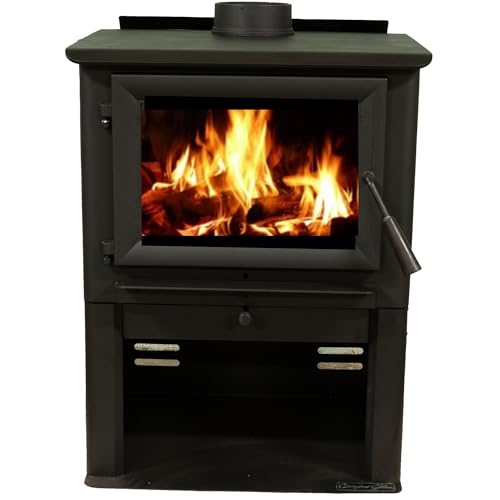


Wood burning stoves remain a top choice for efficient, reliable home heating, especially during power outages and cold snaps. This guide ranks the 5 highest rated wood burning stoves of 2026, focusing on real specs, EPA certification, and practical features to help you choose quickly.
We’ll cover key differences like catalytic vs non-catalytic combustion, sizing for your space, running costs, and safety standards so you can buy with confidence and avoid common installation mistakes.
Wood Stove Comparison
| Model | Best for | BTU Output | Heating Area | Firebox Volume | EPA Certification | Price |
|---|---|---|---|---|---|---|
| Ashley Hearth AW2020-P Wood Stove | Best Overall | 89,000 | 2,000 sq ft | 1.6 cubic feet | Yes | See it on Amazon |
| Comfort Glow CGWS2500 Wood Stove | Highest Heat Output | — | 2,500 sq ft | — | No | See it on Amazon |
| AVOFOREST Hot Tent Stove with Chimney | Best Portable Outdoor | — | — | — | No | See it on Amazon |
| Tazauue Portable Camping Wood Stove | Best for Camping | — | — | — | No | See it on Amazon |
| Comfort Glow Cast Iron Wood Stove | Best Compact Stove | — | 900 sq ft | — | Yes | See it on Amazon |
Top 5 Highest Rated Wood Burning Stoves of 2026
Ashley Hearth AW2020-P Wood Stove
Comfort Glow CGWS2500 Wood Stove
AVOFOREST Hot Tent Stove with Chimney
Tazauue Portable Camping Wood Stove
Comfort Glow Cast Iron Wood Stove
Check BTU Output and Heating Area to Match Your Space
Matching your wood stove’s BTU output to your home’s size is key to efficient heating. BTUs, or British Thermal Units, measure the heat energy a stove produces. A stove rated for 50,000 BTUs can heat a larger space than one rated for 20,000 BTUs, but the exact area depends on insulation and room layout.
A well-insulated 1,500-square-foot home typically needs about 30 to 40 BTUs per square foot, so a stove producing 45,000 to 60,000 BTUs would fit. Older or poorly insulated homes may require more heat—up to 50 BTUs per square foot—to compensate for losses through walls and windows.
Oversizing a stove wastes fuel and can overheat your home, while undersizing leaves you shivering and burning wood inefficiently. Small homes under 800 square feet do best with stoves below 30,000 BTUs. Medium homes from 800 to 1,800 square feet require mid-range stoves between 30,000 and 60,000 BTUs. Large homes over 2,000 square feet need stoves rated above 60,000 BTUs, often with features for longer burn times.
EPA-certified stoves like the Ashley Hearth AW2020-P combine high BTU output—up to 89,000—with clean combustion. Such models deliver efficiency and heat for spaces up to 2,000 square feet, making them top picks for homeowners seeking reliable warmth and environmental compliance.
Efficiency matters too. Look for stoves with secondary burn or catalytic combustion technology to convert more smoke into heat, reducing wood use and emissions. These stoves often reach efficiencies above 75%, compared to 50-60% for basic models.
Consider your home’s shape and airflow. Open floor plans distribute heat more evenly, possibly allowing a smaller stove. Multiple rooms or poor airflow require a larger or multiple stoves. Checking BTU output against your home’s size, insulation, and layout is the best way to pick a stove that heats efficiently without overdoing it.
Understand Catalytic vs Non-Catalytic Combustion and Maintenance
Catalytic wood stoves use a ceramic honeycomb coated with platinum or palladium to ignite gases at lower temperatures, around 500°F instead of 1,100°F. This extends burn time and lowers emissions but means you must manage the stove carefully to keep the catalyst working well. Non-catalytic stoves rely on insulated fireboxes, burn tubes, and baffle boards to achieve secondary combustion without a catalyst, which simplifies operation but typically gives shorter burn times.
A catalytic combustor is a ceramic honeycomb coated with platinum or palladium. It lowers the ignition temperature of smoke from around 1,100°F to as low as 500°F, allowing the stove to extract more heat and reduce emissions. This means longer burn times and less wood burned per hour.
Non-catalytic stoves achieve clean burn through a system of baffle boards and burn tubes that direct heated air into the firebox’s upper chamber, igniting smoke before it exits the chimney. They require less fiddling and maintenance but usually have shorter burn cycles.
Catalytic combustors do wear out after 5 to 10 years and cost several hundred dollars to replace. Their lifespan depends on wood quality, stove operation, and regular cleaning. Non-catalytic stoves generally need less expensive maintenance, mainly cleaning ash and checking baffles annually.
If you burn wood frequently and want maximum efficiency with longer burns, a catalytic stove like those from Vermont Castings with thermostatic air control suits you. They demand more attention but reward with fuel savings. Casual users who prefer simpler, lower-maintenance operation benefit from non-catalytic models like the Comfort Glow range.
Maintenance schedules vary: catalytic stoves need combustor inspections and replacement roughly every decade, plus regular cleaning of ash and creosote. Non-catalytic stoves require annual chimney and firebox checks to maintain safe secondary combustion.
Choosing between catalytic and non-catalytic stoves comes down to your tolerance for upkeep and your heating needs. Both types can be EPA certified and efficient, but catalytic models typically hold the edge in emissions and fuel economy when operated correctly.
Knowing these differences helps you pick a stove that matches your lifestyle and heating goals, avoiding surprises in performance or maintenance down the line.
Choose Firebox Construction for Heat Retention and Durability
Soapstone wood burning heaters stand out for their ability to absorb and radiate heat slowly, sometimes for up to 24 hours after the fire goes out. This makes them excellent for maintaining a steady warmth without constant refueling.
Cast iron wood stoves offer robust construction and excellent thermal mass, which means they heat up and retain warmth well. The material withstands thermal cycling—that is, repeated heating and cooling—without cracking, making cast iron stoves durable over many years.
Plate steel stoves heat up faster than cast iron but lose heat more quickly. They are often lighter and less expensive, but their thinner walls mean less heat retention once the fire dies down.
Many wood stoves include a firebrick lining inside the firebox. Firebrick adds thermal mass, helping the stove retain heat and protecting the metal walls from direct flame damage. This lining improves efficiency and extends the stove’s lifespan by reducing metal fatigue.
Durability depends on both material and craftsmanship. Cast iron resists warping and cracking from heat shocks better than steel, but it’s heavier and usually costs more. Soapstone adds weight and cost but excels at slow, uniform heat release.
Material choice also affects maintenance. Steel stoves may need repainting if their finish chips, while cast iron requires less frequent cosmetic upkeep but can rust if neglected. Soapstone surfaces are easy to clean but can chip if struck hard.
Your choice depends on how you plan to use the stove and how much you want to spend. Soapstone or cast iron stoves hold heat and keep warming your space long after the fire dies. Steel stoves heat up faster and usually cost less upfront. Each material offers a different mix of heat retention, durability, and price.
Plan Chimney Installation and Safety Clearances Carefully
Proper chimney installation is crucial for safe and efficient wood stove operation. The widely accepted 3-2-10 chimney height rule helps ensure good draft and keeps smoke away from your roof and neighbors.
The rule means the chimney must extend at least 3 feet above the roof surface where it exits, and at least 2 feet higher than anything within 10 feet horizontally. This height prevents downdrafts and smoke reentry into your home.
Minimum clearance distances to combustibles vary by stove and local code but generally require at least 18 inches from the stove body and chimney pipe to walls, ceilings, and furniture. Clearance to combustibles ensures heat doesn’t ignite nearby materials.
Because installation involves structural, fire safety, and ventilation considerations, it’s best left to professionals familiar with local building codes and manufacturer instructions. They’ll secure proper clearances, use approved chimney components, and seal connections to prevent leaks.
Install smoke detectors and carbon monoxide alarms near the stove and throughout your home. Wood stoves produce combustion gases that can be deadly if ventilation or sealing fails. These alarms provide critical early warnings.
Failing to follow wood stove safety standards can lead to chimney fires, smoke damage, or carbon monoxide poisoning. Even with EPA-certified stoves, safe installation practices and vigilant maintenance are non-negotiable.
Planning your wood burning stove installation carefully, including chimney height and clearances, sets the stage for effective heating and peace of mind all winter long.
For more on stove sizing and efficiency, check out our guide on top rated wood burning stoves for maximum heat & efficiency.
Factor in Long-Term Running Costs and Fuel Efficiency
Blaze King wood stoves are known for high fuel efficiency, using up to a third less wood than many competitors. Their designs exceed EPA emissions standards, which means cleaner burning and lower smoke output. This efficiency reduces fuel costs over time, making them a practical choice for frequent use.
Wood moisture content plays a big role here. Seasoned firewood at 20% moisture delivers much more usable heat than green wood at 40%. Wet wood uses more fuel and produces less heat because energy goes into evaporating water rather than warming your home.
Catalytic stoves use a platinum-coated ceramic honeycomb catalyst to burn off gases and smoke that would otherwise be wasted. This secondary combustion means they require less wood for the same heat output compared to non-catalytic models, which rely solely on hotter air and baffle boards to burn smoke.
Blower fans are another factor in running costs and comfort. They circulate warm air from the stove into the room more effectively, reducing cold spots and helping you feel warmer faster. Fans use electricity, but their draw is low compared to the heat generated, so they’re cost-effective if you have power.
| Stove Type | Approx. Wood Consumption per Heating Season (cords) |
|---|---|
| Non-catalytic wood stove | 3 to 4 cords |
| Catalytic wood stove | 2 to 3 cords |
Say your home requires about 3 cords of wood with a non-catalytic stove. A catalytic stove might reduce that need by roughly a third. Over several winters, that difference in wood consumption adds up to significant savings.
The best wood stoves for heating a home balance efficiency, heat output, and ease of use. For example, the Ashley Hearth AW2020-P combines catalytic combustion with a large firebox and blower fan options, maximizing fuel efficiency and heat circulation.
Questions People Ask
What maintenance does a catalytic wood stove require?
Can wood stoves be installed in mobile homes?
How do I know if my chimney height is correct for my stove?
What is the difference between EPA Step 1 and Step 2 certification?

I am a mechanical engineer and love doing research on different home and outdoor heating options. When I am not working, I love spending time with my family and friends. I also enjoy blogging about my findings and helping others to find the best heating options for their needs.
Related guides
Wood Stove Safety Standards Explained
Clearance, chimney, creosote and ash rules for safe wood stove use, plus the checks that keep heat where…

Transform Your Outdoors with These Top Wall Mounted Patio Heaters
For homeowners and businesses, best wall-mounted patio heaters provide warmth without clutter. Best wall-mounted patio heaters like the…
Best Wood Pellet Patio Heater for 2026: Up to 75,000 BTUs for Your Patio
Frigid evenings force you inside. A wood pellet patio heater extends your outdoor season, creates ambiance, and saves…
