

To improve temperature regulation, maintain a balanced diet, stay hydrated, exercise regularly, and dress appropriately for the weather conditions.
Maintaining proper body temperature is crucial for health and comfort. Whether dealing with overheating or excessive cold, these science-backed strategies help optimize your body’s natural thermoregulation processes.
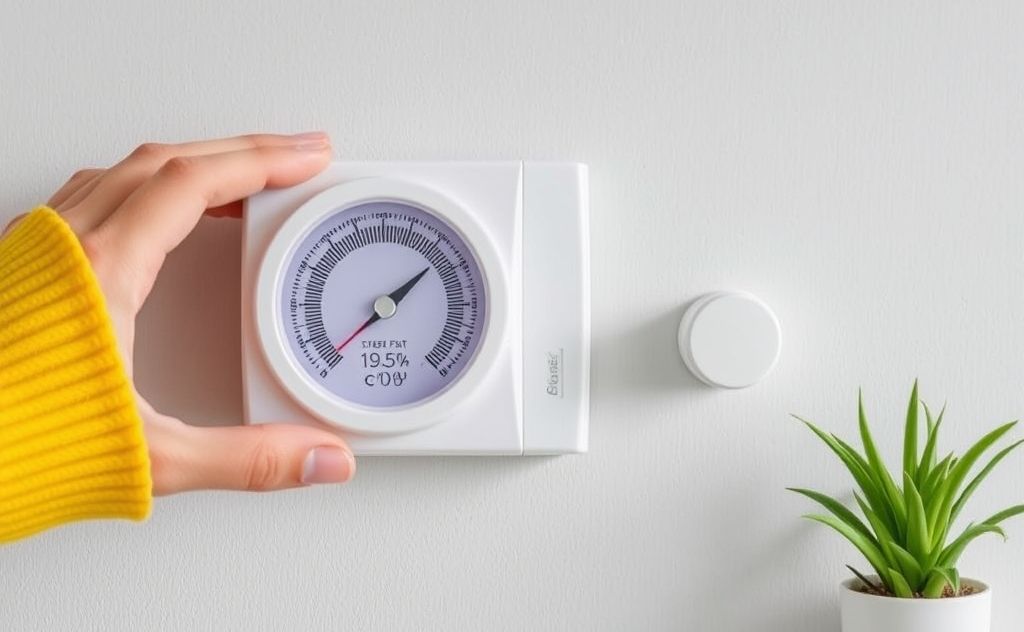
Understanding Body Temperature Regulation
The hypothalamus acts as your body’s thermostat, constantly adjusting to keep your core temperature around 98.6°F (37°C). It uses four primary cooling mechanisms:
- Sweating: Evaporative cooling through perspiration
- Radiation: Releasing heat into surrounding air
- Convection: Cool air moving across skin surfaces
- Conduction: Direct heat transfer to cooler objects
Effective Cooling Strategies
1. Hydration With Cool Liquids
Drinking chilled water or iced herbal tea provides internal cooling. For optimal absorption:
- Aim for 8-10 glasses daily
- Add electrolyte tablets during heat waves
- Try coconut water for natural minerals
2. Strategic Cooling Applications
Target pulse points where blood vessels are close to the skin:
| Cooling Method | Effectiveness | Duration |
|---|---|---|
| Wrist ice packs | High | 15-20 minutes |
| Neck cooling towels | Moderate-High | 30-45 minutes |
| Foot immersion | Moderate | 10-15 minutes |
3. Environmental Adjustments
Create optimal conditions with:
- Smart thermostats maintaining 68-72°F
- Cross-ventilation with fans
- Blackout curtains during peak heat
For supplemental heating, consider electric heaters with wood stove aesthetics that provide warmth without overheating rooms.
Advanced Temperature Regulation Techniques
4. Clothing Choices Matter
Select fabrics based on needs:
- Cooling: Bamboo, linen, moisture-wicking synthetics
- Warming: Wool, fleece, thermal layers
5. Dietary Temperature Control
Certain foods influence core temperature:
- Cooling foods: Cucumbers, watermelon, mint
- Warming foods: Ginger, cinnamon, bone broth
6. Sleep Environment Optimization
Maintain 60-67°F in bedrooms using:
- Chilipad or cooling mattress toppers
- Breathable cotton sheets
- Humidity control between 30-50%
Special Considerations
7. For Medical Conditions
Those with thyroid disorders or MS may need:
- Prescription cooling vests
- Gradual temperature acclimation
- Medication timing adjustments
8. During Physical Activity
Athletes should:
- Pre-cool with ice vests before events
- Use precise temperature control systems for recovery baths
- Monitor core temperature with ingestible sensors
According to NIH research, proper thermoregulation prevents heat-related illnesses that cause over 600 deaths annually in the US. For outdoor heating solutions, indoor propane heaters offer efficient warmth without central heating systems.
The Mayo Clinic emphasizes that gradual adaptation to temperature changes helps maintain stable core temperatures during seasonal transitions.
Related pick: Check today's price on Amazon

I am a mechanical engineer and love doing research on different home and outdoor heating options. When I am not working, I love spending time with my family and friends. I also enjoy blogging about my findings and helping others to find the best heating options for their needs.
Related guides

How Smart Systems Perfectly Monitor Indoor Temperature
You set the thermostat to 72°F, yet the living room feels stuffy while the hallway is freezing. A…

Digital vs Analog Thermostats: Key Differences Explained
You walk into your living room and it feels like a sauna. The thermostat reads 68°F, but you're…

Smart Temperature Control Systems: Precision Meets Automation
You walk into a conference room at 9:00 AM. It's freezing. Someone set the thermostat to 62°F yesterday…
