

To improve home temperature control, invest in a programmable thermostat, seal leaks, use energy-efficient windows, and regularly maintain HVAC systems.
Maintaining consistent temperatures throughout your home can be challenging. From drafty windows to inefficient HVAC systems, many factors affect comfort. This guide explores practical solutions to optimize your home’s climate control year-round.

GHome Smart
GHome 15A Matter Smart Plugs that Work…
- Stable Connection: Supports Bluetooth & 2.4GHz WiFi. Upgraded Matter technology boosts stability and response. This smart plug wor…
- Multi‑App Control: Remote control from GHome, Alexa, Apple Home, Google Home, Smart Life, Tuya. Share Matter code across ecosystem…
- Hands-Free Voice Control: Smart plugs that work with Alexa, Siri, Google Assistant & SmartThings. Just give a simple voice command…

Seal Air Leaks for Better Efficiency
Air leaks account for 25-30% of heating and cooling energy loss. Start by identifying problem areas:
- Check windows and doors for drafts
- Inspect electrical outlets on exterior walls
- Examine attic hatches and basement rim joists
Window Solutions
Windows are major sources of heat transfer. Consider these options:
| Solution | Winter Benefit | Summer Benefit |
|---|---|---|
| Insulated cellular shades | Reduce heat loss by 40% | Block 60% solar heat |
| Low-E window films | Reflect heat back inside | Reject solar radiation |
| Storm windows | Add insulating air space | Reduce heat conduction |
For maximum efficiency, look for energy-efficient materials when upgrading window treatments.
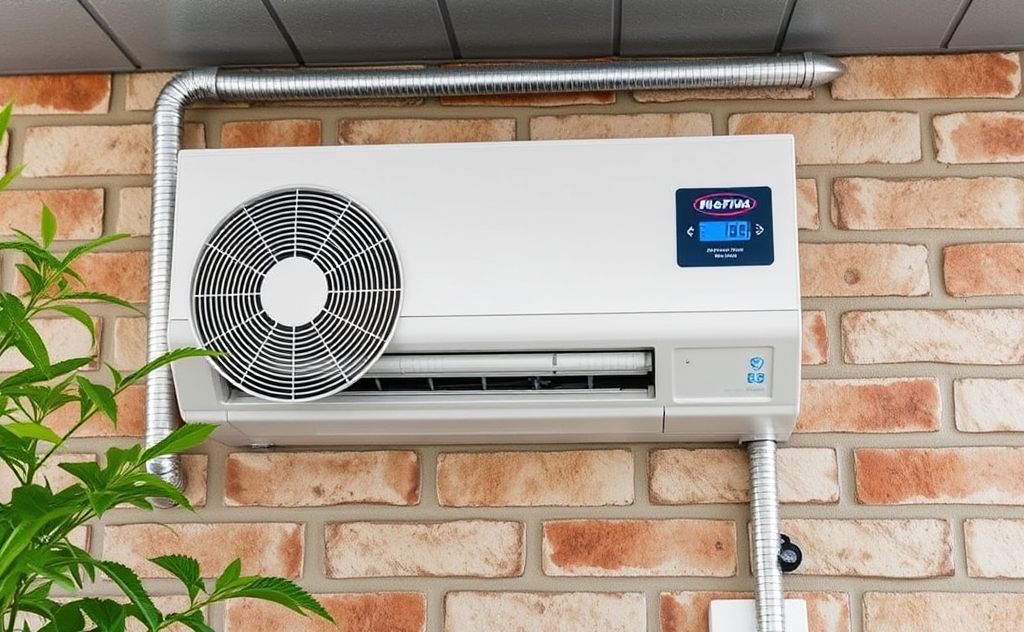
Upgrade Your HVAC Controls
Smart Thermostats
Modern thermostats learn your schedule and adjust temperatures automatically. Look for models with:
- Room sensors for balanced temperatures
- Geofencing to adjust when you leave
- Energy usage reports
Zoned Systems
Traditional HVAC systems treat your entire home as one zone. Smart solutions like Flair Smart Vents create customized zones by:
- Measuring existing vent sizes
- Installing temperature sensors in each room
- Automatically adjusting airflow
This approach can reduce energy use by 20-30% while improving comfort.
Improve Insulation
Proper insulation slows heat transfer through walls, ceilings and floors. Key areas to address:
Attic Insulation
Heat rises in winter, making attics critical. The U.S. Department of Energy recommends:
- R-38 to R-60 insulation for most climates
- Air sealing before adding insulation
- Proper ventilation to prevent moisture
Wall Insulation
Options for existing homes include:
- Blown-in cellulose or fiberglass
- Injection foam for cavity walls
- Exterior rigid foam sheathing
Maintain Your Heating System
Regular maintenance ensures peak performance. Essential tasks:
- Change filters monthly during heavy use
- Schedule annual professional tune-ups
- Clean ducts every 3-5 years
- Insulate exposed ductwork
For older systems, consider upgrading to a high-efficiency gas heater or heat pump.
Supplemental Heating Solutions
Targeted heating can boost comfort in problem areas:
Space Heaters
Modern options include:
- Ceramic heaters with thermostats
- Oil-filled radiators for steady heat
- Infrared panels for spot heating
Radiant Floor Heating
Provides even warmth by:
- Circulating warm water through tubes
- Using electric mats under flooring
- Radiating heat upward naturally
These solutions work best when combined with proper insulation and air sealing throughout your home.
Related pick: Check today's price on Amazon

I am a mechanical engineer and love doing research on different home and outdoor heating options. When I am not working, I love spending time with my family and friends. I also enjoy blogging about my findings and helping others to find the best heating options for their needs.
Related guides

Smart Ways to Keep Your Home Temperature Perfect Year-Round
To keep your home temperature comfortable, use a programmable thermostat, seal drafts, and maintain HVAC systems for optimal…
How to Maintain Perfect Home Temperature Year-Round
To maintain a consistent home temperature, use a programmable thermostat, seal windows and doors, and ensure proper insulation…
How to Achieve Stable Home Temperature Year-Round
To achieve a stable home temperature, ensure proper insulation, use programmable thermostats, seal drafts, and maintain HVAC systems…
