Heating without electricity means using fuel-based or passive methods that take about an hour to set up and mostly require DIY skills. This guide covers safe, effective ways to keep warm when the power goes out or you want to avoid electric heat.
Say your power is out during a winter storm, or you want to heat a room off the grid. You need heat that doesn’t rely on plugs or batteries.
This guide shows you how to use fuel heaters, passive heat retention, and other methods safely and efficiently, with a clear checklist and step-by-step instructions.
How to Heat Without Electricity Safely and Effectively
How to heat without electricity depends on what your home already has: an indoor-rated propane or kerosene heater for quick heat, a properly vented wood stove for sustained heat, and passive heat retention to slow the loss. A heater without electricity still needs fuel, airflow, clearance and a working carbon monoxide alarm; otherwise the cure can become the emergency.
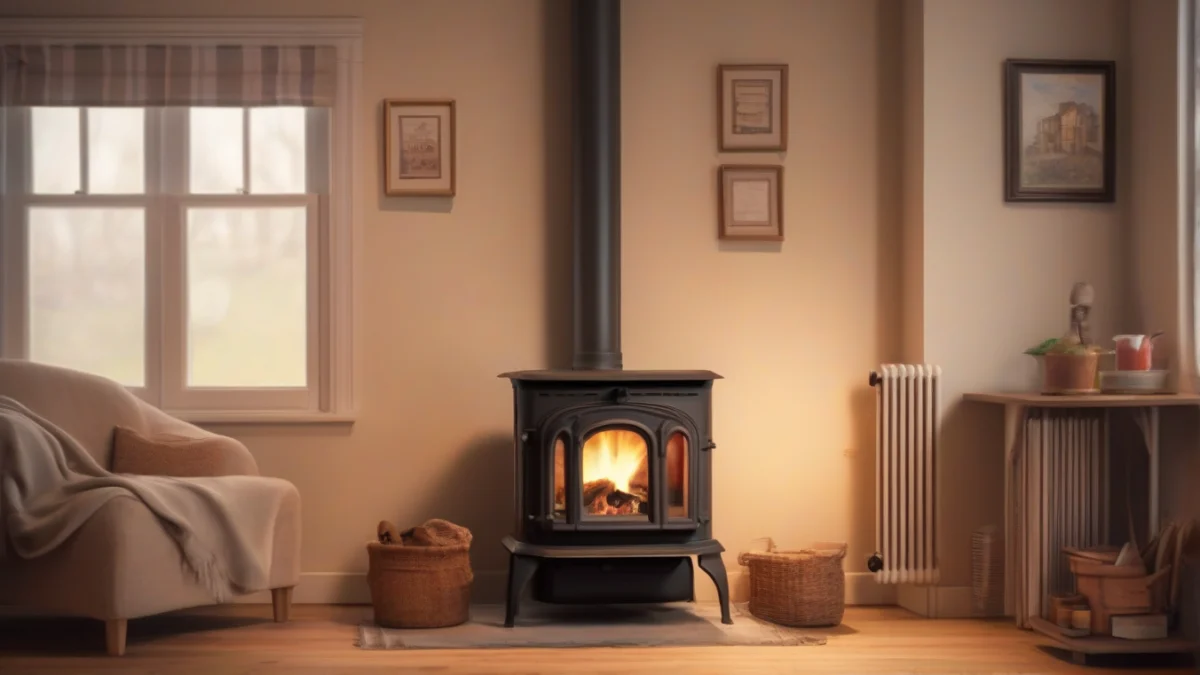
A properly vented wood stove provides safe and effective heat.
For a temporary indoor heater without electricity, choose an indoor-rated propane model with an oxygen depletion sensor or an indoor-rated 1-K kerosene heater, then follow its manual for ventilation and fuel. A heater that runs without electricity may use a pilot, thermocouple and natural draft rather than a blower, so it can keep working during an outage. Never bring a patio, torpedo, construction or other outdoor-only heater into a room, tent or vehicle.
Pick The Heat Source
Method
Best use
What you need to know
Propane heater
Fast heat during an outage
Use an indoor-rated model, the specified hose or cylinder, ventilation required by the manual and a CO alarm. Never use gasoline or an unapproved fuel connection.
Kerosene heater
Portable heat for a room
Burn only 1-K kerosene. Keep the wick and fuel tank maintained, provide the ventilation the manual requires, and never use gasoline.
Wood stove
Longer-term heat where a stove and chimney already exist
The stove, chimney, clearances and venting must match the manufacturer’s listing and local code. Burn dry firewood only—not trash or treated wood.
Passive heat retention
Slowing heat loss in any home
Close doors, shut curtains after sunset, weatherstrip drafts and use blankets or rugs. It preserves heat; it doesn’t create it.
The safest choice is the one already approved and properly vented for the space.
Heating a room without electricity works better when you reduce the room you need to heat. Close interior doors, block obvious door-bottom drafts with a rolled towel, cover drafty windows, and keep people in one room if conditions allow. Don’t block a furnace vent, fireplace opening, combustion-air opening or the exit path.
Carbon Monoxide And Fire
Fuel-burning heaters produce carbon monoxide, even when the flame looks clean. Put a working battery-powered CO alarm near sleeping areas, test it before use, and leave immediately for fresh air if it sounds or anyone develops headache, dizziness, nausea or unusual tiredness. Keep the heater at least 3 feet from curtains, furniture, bedding and paper; place it on a stable, noncombustible surface, and never sleep or leave the home with it running unless the manufacturer specifically says the model is designed for that use.
Gather Before You Start
The heater’s manual and identification label
The fuel specified by the manufacturer: an approved propane cylinder or 1-K kerosene
Only the regulator, hose, connector or flue parts listed for that heater
A battery-powered CO alarm and smoke alarm, both tested
A stable noncombustible base and a tape measure for the 3-foot clearance
A lighter or ignition method named in the manual, if the model needs one
A working fire extinguisher rated for the hazards in your home
Weatherstripping, towels, blankets and a room thermometer for passive heat retention
Expect about 30 to 60 minutes to position a portable heater, check clearances, connect the approved fuel supply and test the alarms. That is a basic DIY job when the setup matches the manual. A wood stove installation, chimney work, gas line, fuel storage change or new vent is a different category; don’t improvise those parts.
Worked Example
Say you have a 12 by 14 foot room during a power outage. Closing the door, covering a drafty window and moving people into that room can conserve heat, while an indoor-rated propane or kerosene heater supplies the heat the room loses. Check the heater’s listed room size and ventilation instructions rather than guessing from the fuel tank size; a larger flame isn’t a safer shortcut.
A Useful Next Step
If you need more options for heating a room without electricity, compare passive methods with fuel heaters in 23 ways to heat a room without electricity. For a purchase, choose an indoor-rated model with tip-over protection where available, overheat protection where specified, and a UL, ETL or CSA listing.
Steps to Set Up a Propane Heater Without Electricity
A propane heater without electricity can warm one room during an outage, but only an indoor-rated model belongs inside your home. Indoor heaters without electricity still burn fuel, so you need the clearances, ventilation, and carbon-monoxide protection listed in the manual.
Ensure your propane heater is indoor-rated for safe use.
Choose a propane heater designed for indoor use that includes an oxygen-depletion sensor to reduce the risk of low oxygen levels. Models that don’t need electricity often rely on a standing pilot or battery ignition, but must have a functioning thermocouple and an approved propane supply line. Never use heaters intended only for outdoor use, such as patio, torpedo, or construction heaters, inside a home without proper ventilation and carbon monoxide detection.
1
Choose and position the heater
Read the heater’s indoor-use label and manual before unpacking the propane tank. Set the heater on a level, solid, noncombustible surface with the manufacturer’s required clearance from walls, curtains, bedding, furniture, paper, and clothing; use 3 feet as a minimum general clearance unless the manual requires more. Keep the heater away from doors, walkways, and places where children or pets can knock it over.
2
Prepare the propane connection
Use only the fuel and cylinder size approved by the heater manual. Inspect the hose, regulator, connector, and rubber O-ring for cracks, cuts, or dirt. Keep a cylinder upright and stable; never use a damaged tank, and don’t bring a storage cylinder into a basement or other poorly ventilated area. A larger cylinder may need to remain outdoors with an approved hose, but follow the heater instructions and local code.
3
Connect the tank
Make sure the heater control and cylinder valve are off. Thread the connector on by hand, keeping it straight so you don’t cross-thread the fitting; tighten only as the manual directs. Open the cylinder valve slowly, then apply a leak-detection solution to the connection. Bubbles or a propane smell means shut the valve, move away from ignition sources, and correct the connection before lighting. Never test for leaks with a flame.
4
Light and check the flame
Follow the exact lighting sequence printed on the heater. Many standing-pilot models require you to hold the control in while the pilot lights so the thermocouple can warm up; release it only after the manual’s stated time. If the pilot won’t stay lit, turn the control off, wait the required period, and stop troubleshooting if the problem continues. A yellow, unstable, or smoky flame needs service rather than guesswork.
5
Ventilate and monitor the room
Provide the ventilation the manual requires, even if cold air comes in. Keep a working carbon-monoxide alarm near sleeping areas and another on the same level as the heater; a CO alarm is backup, not a substitute for ventilation. Never sleep with the heater running or leave home while it’s on unless the manufacturer specifically says the model is designed for that use. Headache, dizziness, nausea, unusual tiredness, or a sounding alarm means turn off the heater if safe, leave immediately, and call emergency services from outside.
6
Shut down and store it
Turn the heater control off, close the propane cylinder valve, and let the unit cool completely before moving or disconnecting anything. Check the fittings for damage, cap the cylinder as specified, and store propane cylinders upright outdoors in a dry, well-ventilated place away from heat and ignition sources. Store the heater clean and dry, with its manual and hose together for the next outage.
Before You Light It
Indoor-use rating and oxygen-depletion sensor, if required by the model
Level noncombustible location with the manual’s clearances
Approved propane cylinder, hose, and regulator in good condition
Working carbon-monoxide alarm and required ventilation
No gas smell, bubbles, damaged fittings, or blocked vents
Stop For A Gas Smell
Don’t light the heater, operate electrical switches, or search for the leak with a flame. Close the cylinder valve if you can do so safely, leave the building, and contact your propane supplier or emergency services from outside.
Keep The First Run Short
Run a newly connected heater while you’re awake and nearby. Confirm the pilot stays lit, the flame looks correct, the room has the required ventilation, and the CO alarm remains silent before relying on the heater during an outage.
Common Mistakes That Cause Damage or Dangerous Leaks
The most serious heater without electricity mistakes are using the wrong appliance indoors, blocking ventilation, and trusting a fuel connection you haven’t checked. Safe indoor heating without electricity requires an indoor-rated propane or kerosene heater, a properly vented wood stove, or another appliance listed for that space, plus the ventilation and clearances in its manual.
Carbon Monoxide Builds Quietly
A cracked window or an open interior door doesn’t replace the ventilation the heater requires. Carbon monoxide has no smell, and a heater can consume oxygen while producing CO if it burns poorly. Keep a working battery-powered CO alarm near sleeping areas, follow the manual’s ventilation instructions, and turn the heater off if the alarm sounds, anyone develops a headache or dizziness, or the flame changes unexpectedly. Get everyone outside and call emergency services from outside.
Outdoor propane, patio, torpedo and construction heaters don’t become indoor heaters during a blackout. Their exhaust and oxygen requirements are wrong for a room. A diesel heater used in a cabin or vehicle must send exhaust outside the occupied space; the cabin still needs the ventilation and installation specified by its manual.
Fuel Errors Start Fires
Use only the fuel named on the heater’s label. Kerosene heaters require 1-K kerosene, never gasoline, and contaminated or water-laden fuel can cause poor combustion, smoke and damage. Don’t pour fuel into a hot heater, mix fuels, or use a container that previously held gasoline. Store fuel in an approved, labeled container away from the heater and ignition sources.
Before Adding Fuel
Read the fuel type on the heater label and manual.
Shut the heater off and let it cool before refueling.
Check the fuel for water, debris or an unusual smell.
Keep the container stable and wipe up spills before lighting.
Clearance mistakes turn normal radiant heat into a fire. Keep curtains, bedding, paper, clothing, furniture and stored fuel outside the exact clearance distances in the manual, and never drape anything over the heater. A heat shield or homemade enclosure can change airflow and surface temperatures, so don’t improvise one.
Loose tank fittings, damaged hoses and mismatched regulators can leak even when the heater appears to run normally. Use the hose, regulator and connector specified for that model; inspect them for cracking, crushed sections and damaged threads before connecting. Keep a propane cylinder upright and stable, and don’t force a fitting that doesn’t thread smoothly.
1
Check Every Connection
With the heater off, confirm the cylinder valve and appliance connection are fully seated according to the manual.
2
Test for Leaks
Use the leak-check method specified by the manufacturer, commonly a soapy-water check at the connections. Bubbles that grow indicate a leak. Never use a match or lighter to find one.
3
Stop at Any Gas Smell
Close the fuel valve if you can do so safely, extinguish ignition sources, leave the area, and contact the fuel supplier or emergency services from outside. Don’t operate electrical switches in the suspected leak area.
A Small Rule That Prevents Big Damage
If a hose, regulator, tank valve or venting part is damaged, stop using the heater rather than patching it with tape or substituting a spare part. Fuel systems are fussy in ways that rarely announce themselves politely.
When to Get Permits or Hire a Licensed Pro
For heating a home without electricity, a permit is usually tied to the installation, not the fact that the heater uses no power. Safe indoor heating without electricity means using an indoor-rated propane or kerosene heater as the manual allows, or using a wood stove, fireplace, or gas appliance installed and vented to local code. A portable heater without electricity may not need a permit, but your city, county, landlord, or insurance policy can set a stricter rule.
Job
DIY boundary
Call a pro when
Portable indoor-rated propane or kerosene heater
Set it up as the manual directs; confirm local rules
The appliance isn’t listed for indoor use, needs a fixed connection, or local code requires approval
Propane or natural-gas line
Don’t alter piping, valves, regulators, or fittings
A new line, shutoff, manifold, appliance connection, or leak repair is involved
Wood stove or fireplace
Use only an already-approved installation as directed
A stove, chimney, flue, hearth, or wall penetration is new or being modified
Electrical or venting change
Don’t modify wiring or the exhaust path to make a heater work
A circuit, outlet, interlock, fan, flue, chimney, or combustion-air opening is added or changed
Permit rules vary, so ask the building department before buying materials.
Gas and propane line work belongs with a licensed plumber or qualified gas fitter in most places. The professional can size the line, install the correct shutoff, pressure-test the work, and check combustion and leaks. A threaded connection that feels tight isn’t proof that the installation is safe; gas can escape through a fitting that never drips or leaves a visible mark.
Permits commonly apply when you install or modify a vent, chimney, flue, hearth, gas line, fuel tank, or combustion-air opening. Electrical work also may need a permit when you add a circuit, relocate an outlet, or change wiring for a heater, even if the heater itself is temporary. Ask three questions before work starts: does this appliance require a permit, does the venting require one, and must a licensed person perform the connection?
Before the first cold night
Call the local building or fire department with the heater model and fuel type.
Ask your insurer or landlord about approved appliances and required inspections.
Keep the manual, permit number, fuel-line test result, and installer information.
Arrange the final inspection before covering a vent, closing a wall, or using a new appliance.
Why inspection matters
An inspection checks clearances, vent direction, combustion air, shutoff access, chimney condition, and carbon-monoxide hazards that aren’t obvious from the living room. Don’t operate a newly installed fuel-burning appliance until required inspection and testing are complete; keep a working CO alarm on each level and outside sleeping areas.
Frequently Asked Questions
Can I use a propane heater indoors without electricity?
Yes, but only if the heater is listed for indoor use and the manual permits your setup. Keep a working carbon monoxide alarm nearby, provide the required ventilation, and never run the heater while sleeping or when you leave the home unless the manufacturer specifically allows it.
How do I prevent carbon monoxide buildup when heating without power?
Use only an indoor-rated fuel heater, follow its ventilation instructions, and place working carbon monoxide alarms on every level and outside sleeping areas. Never heat with a gas oven, grill, patio heater, or construction heater; opening a window does not make those appliances safe indoors.
What fuel types work best for heating without electricity?
Propane suits short-term room heating, kerosene works for approved 1-K kerosene heaters, and firewood suits a properly installed wood stove for longer heating. Diesel heaters must exhaust outdoors, while gasoline should never replace the fuel named on a heater’s label.
Is it safe to use a wood stove without electricity?
A properly installed wood stove can heat without electricity because the chimney draft carries smoke outdoors without a blower. Fans, thermostats, and some circulation systems may stop during an outage, so keep combustibles at the listed clearances and have the chimney inspected and swept annually.
How do I check for propane leaks during heater setup?
Turn off every flame, open the cylinder valve slowly, and brush soapy water over the regulator, hose, and threaded connections. Growing bubbles mean a leak; close the valve, move outside, and contact the propane supplier or emergency services rather than tightening fittings or searching with a flame.
Do I need a permit to install a non-electric heater indoors?
Often, yes, for a new wood stove, chimney, vent, gas line, or permanent propane installation, although the rule depends on your local building and fire code. Ask the building department before work starts, and use a licensed professional for gas connections, venting, or any structural chimney work.