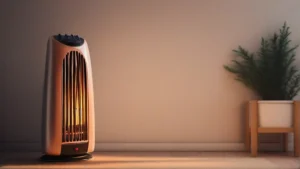
A cold bedroom usually takes 30 to 90 minutes to improve with the right setup, and most of it is DIY: add a safe heat source, stop drafts, and warm the bed instead of the whole house. If you’re only sealing gaps and using plug-in gear, you can usually handle it yourself.
The common mistake is buying more heater than the room can use and then heating the hallway too. That wastes electricity, can trip a breaker, and still leaves the floor cold.
Start with the room size, the leaks, and the bedtime plan. The fix is usually less fancy than the problem feels at 2 a.m.
How To Heat a Cold Bedroom Fast Without Central Heating
The quickest way to warm a cold bedroom without central heating is to close the door, seal drafts, and use a safe plug-in heater or bed warmer if needed. You can also bring heat in without a heater by blocking cold air and warming yourself directly with blankets or an electric mattress pad.
A 1,500-watt space heater is the maximum power a standard 120-volt outlet can safely handle. Always plug it directly into a wall outlet—not a power strip or extension cord—to avoid electrical hazards.
Safety with Electric Heaters
Keep at least 3 feet of clearance around space heaters, never leave them unattended or running while you sleep, and choose models with tip-over and overheat protection. Avoid using outdoor, propane, kerosene, or other fuel-burning heaters indoors due to carbon monoxide risks.
Tools and Parts for Quick Bedroom Heating
1,500 W plug-in space heater or electric blanket/mattress pad
Outlet tester to confirm safe wiring
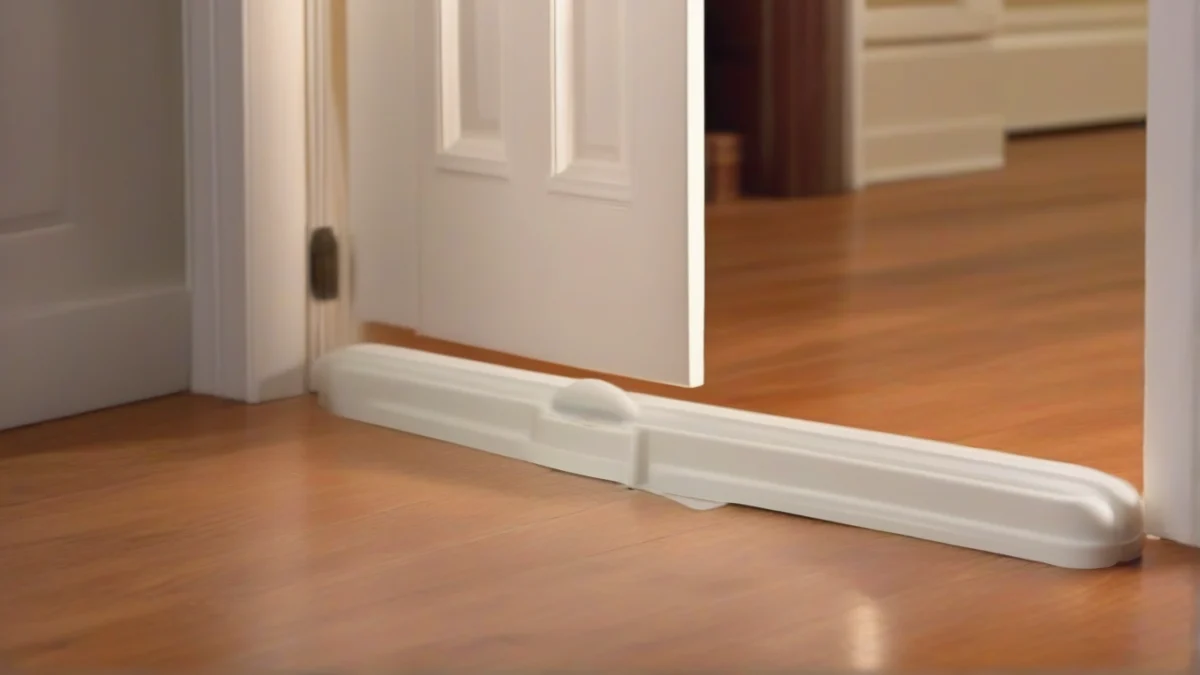
Door sweep or draft stopper
Window insulation film or removable caulk
Thermal curtains or heavy drapes
Thermometer to monitor room temperature
Optional: electric blanket or heated mattress pad
1
Measure the Room
Get the dimensions to understand the heating load; for example, a 10-by-12-foot room needs about 1,200 to 1,500 watts to warm quickly.
2
Seal the Biggest Draft
Focus on door gaps or window leaks first using door sweeps and window film to reduce heat loss.
3
Place the Heater Correctly
Position the heater near where you spend time but away from foot traffic or combustible materials.
4
Use Fan or Thermostat Controls
If your heater has a thermostat or fan speed control, set it to maintain a comfortable temperature without wasting power.
5
Switch to Bed Warming at Night
Turn off the space heater before sleeping and use an electric blanket or mattress pad to keep warm safely overnight.
Useful for this step
DREO Space Heater
The DREO space heater fits this step perfectly with its compact size, thermostat control, and safety features.
Calculated at 17¢ per kWh. Cost estimate for running a 1,500 W heater 8 hours nightly at 17¢/kWh.
Running a 1,500-watt heater for 8 hours uses 12 kWh. At 17 cents per kilowatt-hour, that costs about $2.04 per night. Reducing draft loss by sealing gaps can lower your heating bill more than buying a larger or higher-powered heater.
Keep Warm Air Inside
Close your bedroom door to trap warm air, and if you have a ceiling fan, run it clockwise on low to push warm air down from the ceiling.
What You’ll Need
Tools and parts for the steps below.
Fast, Safe Heat
DREO Portable Electric Space Heater with Thermostat
This DREO heater uses a 1500W PTC element and a heat funnel to spread warmth fast and far, reaching 200% farther than typical space heaters. Its precise thermostat lets you set the temperature within 1°F increments, saving energy while keeping your room cozy. Safety features like a tilt sensor and flame-retardant materials make it reliable for bedroom use.
The fastest way to warm a bedroom without central heat is to stop warm air from leaking out. Drafts around windows, doors, and floors waste heat and make any heater work harder.
Sealing drafts can significantly improve bedroom warmth.
Cheap fixes come first: cover gaps with removable caulk, add door sweeps, and apply window film. Thermal curtains help keep heat inside by adding an insulating layer, but they don’t seal leaks around window frames.
Draft Point
What to Do
Window edges
Apply removable caulk or weatherstripping
Door bottoms
Install a door sweep to block gaps
Floor cracks
Use rugs or draft stoppers
Window glass
Add insulating window film
Wall outlets
Seal with foam pads
Common draft points and what to do about them
Myth
Thick curtains alone keep a room warm
Fact
Curtains add insulation but won’t stop air leaking through window frames; sealing gaps is essential.
A thick rug helps on cold floors by adding a layer between your feet and the cold surface, but it won’t fix drafts from poorly sealed windows or doors. Tackling those leaks is the cheap, quickest way to improve warmth before buying any heater.
Cheap first
Try sealing drafts before spending on a heater. It cuts heat loss and lowers your heating bills.
Use Bed Heat When the Room Is Too Cold To Chase
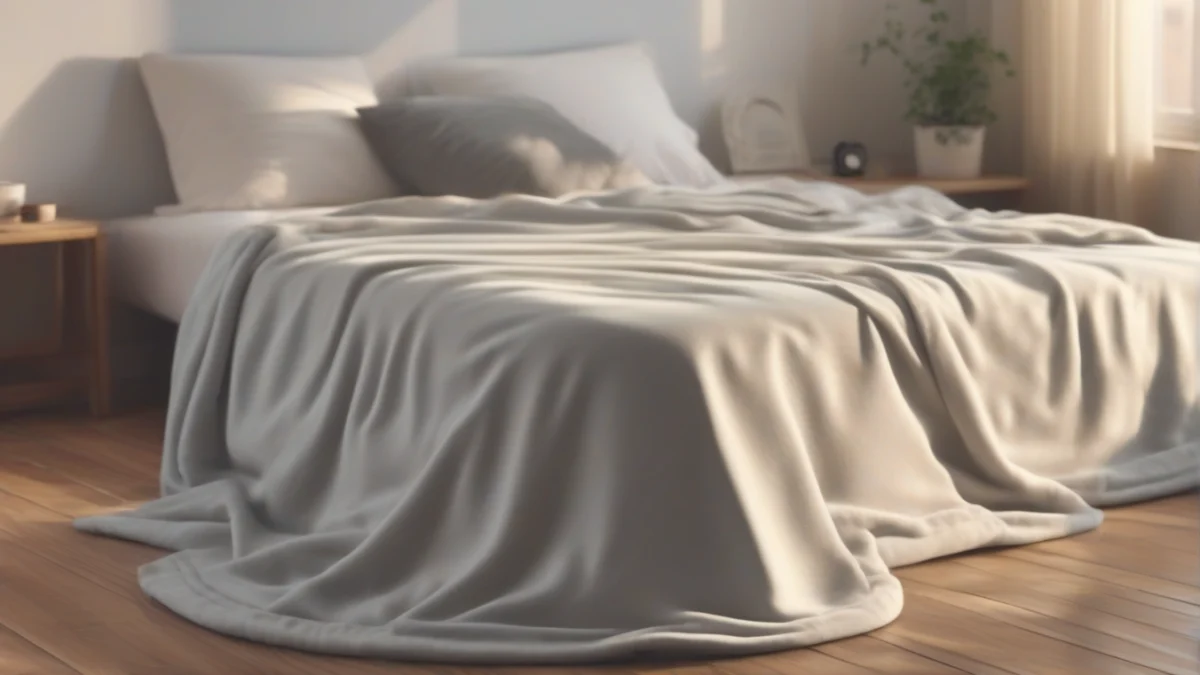
Heating your bed directly with an electric blanket or mattress pad costs far less than warming the whole room overnight. These use around 100 watts compared to 1,500 watts for a space heater.
Using bed heat is an efficient way to stay warm.
Electric blanket safety
Always follow the auto shut-off feature, never fold or bunch the blanket while it’s on, and don’t use it for infants or anyone who can’t feel heat.
Worked example
Say you run a 1,500 W space heater for 8 hours: that’s 12 kWh. At 17 cents per kWh, it costs about $2.04 a night. An electric blanket at 100 W for 8 hours uses 0.8 kWh, costing about 14 cents.
Hot water bottles give quick warmth but only for a few hours. They must be wrapped in a cover to avoid burns and handled carefully to prevent leaks.
Room heater vs. bed warmer
Use a space heater to warm the air if you need the whole room cozy. Use a bed warmer to save energy and get direct heat while sleeping.
From HeaterGuides · our own guidePage 4 shows what each heater costs per hour; the 30-day plan on page 11 cuts the bill.Winter Heating Bill CutterSee what every heater in your home really costs, heat the rooms you use, and cut the waste in 30 days.Cost-per-hour tables for every heaterThermostat schedule and draft-proofing planRunning-cost and bill calculator (Excel)$14.99$9.99Get it for $9.99See what's inside and watch the 2-minute video →14-page printable PDF + Excel calculator · instant download · 30-day refund
Fix the Mistakes That Cause Damage or Leaks
Ducting heat to an upstairs bedroom usually calls for a properly balanced system, not just a fan shoved into a doorway or a flexible duct stretched from a register on another floor. Without balance, you may just shift cold air around instead of warming the room effectively.
The best way to bring heat to a cold bedroom without central heating is a safe, plug-in electric heater or bed warmer. Fuel-burning heaters made for outdoor use should never run inside — they risk carbon monoxide poisoning and moisture damage.
Common mistakes that waste money and cause hazards include running space heaters from extension cords or power strips, which can overload wiring and trip breakers or cause fires. Bedding too close to heaters blocks airflow and raises fire risk. Likewise, blocked intake vents on heaters cut airflow, causing the unit to overheat or shut off prematurely.
A damp bedroom or blocked vents can make the room feel colder because moisture-laden air conducts heat away faster and can damage paint and wood finishes. Ventilation must be clear and working to avoid these problems.
Electrical Load Warning
Do not plug a 1,500 W heater into an extension cord or power strip. The heater alone draws about 12.5 amps; most extension cords and strips aren’t rated for that load and may overheat.
Room Cold Every Winter?
If your bedroom stays cold despite adding heaters and sealing drafts, the root cause might be insufficient insulation, air leaks hidden behind walls, or a heating system issue needing professional assessment.
When You Need A Licensed Pro Or A Permit
Adding ducts to deliver heat upstairs, changing electrical circuits, gas line work, venting installations, or installing a permanently mounted heater typically requires a licensed professional and sometimes a permit. These jobs involve code compliance and safety risks beyond DIY.
Vent-free gas heaters are restricted or banned in many areas. Indoor fuel-burning heaters must follow the manufacturer’s ventilation instructions and always use a working carbon monoxide alarm. Check local laws before installing.
Any work on your breaker panel, new electrical circuits, or installing a dedicated outlet for a heater should be done by a licensed electrician. Improper wiring risks fire and breaker trips.
Central Heat Troubles
If your home has central heating and the bedroom stays cold, fixes like bleeding radiators or adjusting water temperature are separate tasks best handled by a professional HVAC technician.
Signs You Need a Pro
Installing or extending ductwork upstairs
Adding or upgrading electrical circuits or outlets for heaters
Gas line or venting work for fuel-burning heaters
Installing permanent heating systems requiring permits
Persistent cold bedrooms despite DIY measures
Check Before You Buy, Light, Or Call
Heating a cold bedroom without central heat starts with knowing your options: no heat, plug-in electric heaters, or bed warmers. The cheapest way to heat a bedroom is usually a 1,500 W electric space heater if your goal is warming the room. Bed heaters run on far less power but only warm you, not the whole space.
Before You Act
Measure your bedroom’s square footage to choose a heater with enough wattage.
Confirm you have a dedicated 15 A outlet nearby; 1,500 W draws about 12.5 A.
Identify and seal all draft points to stop cold air leaks.
Ensure at least 3 feet of clearance around any space heater for safety.
Have a working carbon monoxide alarm if using any fuel-burning appliance, even briefly.
Decide if you want to heat the entire room or just your bed.
Check if permanent work is needed—if so, call a licensed pro.
Choose a heater
DREO Space Heater
A DREO 1,500 W space heater fits most bedrooms up to 150 sq ft, with built-in safety and thermostat controls.
If the checklist is clear and your goal is room heat, buy a safe plug-in heater like the DREO. For bed heat, use an electric blanket instead. If drafts or permanent fixes slow progress, seal the room first or call a pro to handle wiring or fuel lines.
Questions People Ask
What heater is cheapest to heat my bedroom?
Electric space heaters that plug into a standard outlet are typically cheapest upfront and easiest to use. They draw about 1,500 watts max, so running costs depend on your electricity rate and usage hours. Using a heated blanket or mattress pad is cheaper overnight because you only warm your bed, not the entire room.
How do you warm a room without central heat?
Start by sealing drafts around windows and doors to keep warm air inside. Then, use a portable electric heater or a bed warmer to add heat directly where you need it. Closing the bedroom door helps trap heat and speeds warming.
How do you heat up my bedroom without a heater?
Without a heater, focus on retaining body heat and blocking cold air. Use thick curtains, draft stoppers, and layered bedding. Wearing warm clothes and using hot water bottles or heated mattress pads can add warmth without electricity.
What are the cheaper ways to heat a bedroom overnight?
Heating the bed directly with an electric blanket or mattress pad costs less than running a space heater all night. Also, sealing drafts and closing doors reduce heat loss, making any heat source more effective and cheaper to run.
How do you bring heat to the bedroom from another room?
You can open interior doors or install a fan to push warm air into the bedroom. However, this often only works well if the source room is adequately heated and the airflow is balanced to avoid cold spots or drafts.
How do you duct heat to an upstairs bedroom?
Ducting heat upstairs requires a properly balanced system with sealed ducts and possibly a booster fan. Simply stretching a flexible duct or using an unbalanced fan can cause leaks, reduce efficiency, and damage your heating system.
What heating options work best for a bedroom?
Plug-in electric space heaters with tip-over and overheat protection are safest and most convenient. For overnight warmth, electric blankets or heated mattress pads save energy. Avoid fuel-burning heaters indoors unless they have proper ventilation and oxygen depletion sensors.
Before you go · a welcome giftGet the Winter Heating Bill Cutter for $4.99See what every heater in your home really costs, heat the rooms you use, and cut the waste in 30 days. Normally $14.99; your welcome price saves $10.00. We'll email your link right now.or buy it now for $9.99 without the gift →One email with your link now. We never share your address.


 Winter Heating Bill CutterSee what every heater in your home really costs, heat the rooms you use, and cut the waste in 30 days.Cost-per-hour tables for every heaterThermostat schedule and draft-proofing planRunning-cost and bill calculator (Excel)