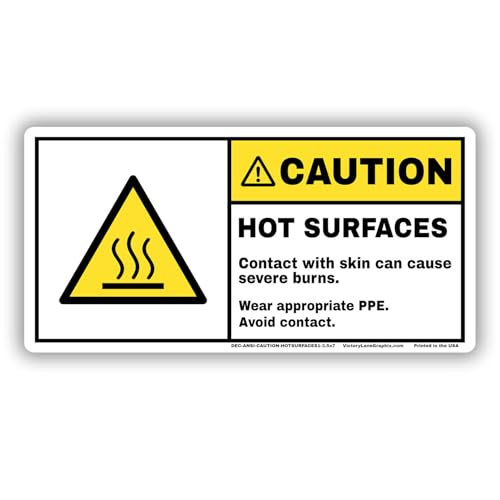
To ensure safety with industrial temperature, regularly monitor equipment, implement safety protocols, and provide employee training on temperature-related hazards.
Industrial temperature safety is critical for protecting workers in hot environments. Proper controls prevent heat-related illnesses that cause thousands of workplace injuries annually. This guide covers engineering solutions, work practices, and PPE to maintain safe conditions.

PEMENOL
PEMENOL 12V Red Fahrenheit Digital Temperature Meter
- 【-9.9°F to 99.9°F Temperature Measurement Range】The K-type thermocouple thermometer measures temperatures from -76°F to 999°F. Wit…
- 【Bright LED Digital Display】Equipped with a bright red LED digital display featuring large, clear digits for easy temperature read…
- 【Industrial Grade K-Type Thermocouple M6 Probe】The thermometer uses a K-type thermocouple sensor with an M6 probe and 0.5m cable.…
Understanding Heat Risks in Industrial Settings
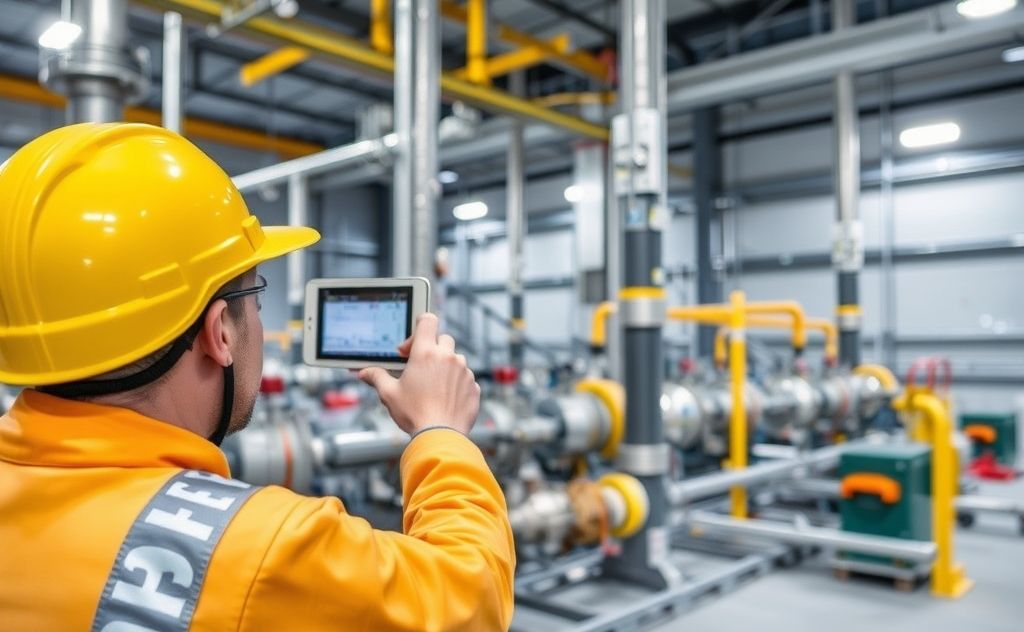
Heat exposure affects workers in manufacturing plants, foundries, bakeries, and outdoor construction sites. The body struggles to regulate temperature when environmental and metabolic heat combine.
Common Heat-Related Illnesses
- Heat cramps (painful muscle spasms)
- Heat exhaustion (fatigue, nausea, dizziness)
- Heat stroke (life-threatening condition requiring emergency care)
Key Risk Factors
| Environmental | Personal |
|---|---|
| High air temperature | Lack of acclimatization |
| Humidity above 60% | Dehydration |
| Radiant heat sources | Certain medications |
Engineering Controls for Temperature Management
Physical modifications to the workplace provide the most effective protection against heat stress.
Ventilation Solutions
Install high-capacity industrial blowers to increase air movement. Cross-ventilation systems should provide at least 2,000 CFM per worker in high-heat areas.
Cooling Technologies
- Evaporative coolers for dry climates
- Chilled water systems near workstations
- Radiant barrier insulation for hot surfaces
Work Practice Controls
Operational changes complement engineering solutions to reduce heat exposure.
Acclimatization Schedule
New workers should follow a 14-day adaptation period:
- Day 1-3: 20% normal workload
- Day 4-7: 50% workload with breaks
- Day 8-14: Gradual increase to full duties
Hydration Protocol
Provide electrolyte-replenishing fluids every 15-20 minutes. Workers need 1 cup (8 oz) every 20 minutes in extreme heat according to OSHA guidelines.
Personal Protective Equipment (PPE)
Specialized gear helps workers manage thermal stress while maintaining productivity.
Cooling PPE Options
- Phase-change cooling vests
- Moisture-wicking base layers
- Vented hard hats with sun shades
Monitoring Technology
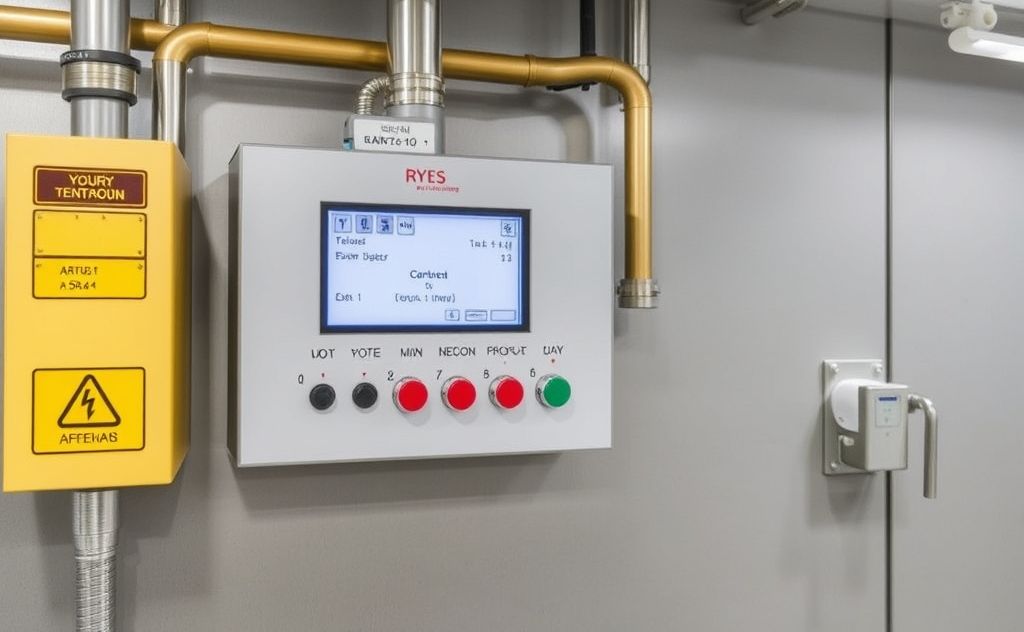
Wearable sensors track core temperature and alert workers when approaching dangerous levels. Some advanced systems integrate with industrial control panels to automatically adjust environmental conditions.
Emergency Response Planning
Every worksite needs protocols for heat illness emergencies.
First Aid Requirements
- Designated cooling areas with shade
- Ice baths or cold water immersion tubs
- Trained responders at each shift
Heat Alert System
Implement a tiered warning system based on Wet Bulb Globe Temperature (WBGT) readings:
| WBGT Level | Action Required |
|---|---|
| 80-84°F | Increased water breaks |
| 85-87°F | 15 min rest per hour |
| 88°F+ | Suspend non-essential work |
Regulatory Compliance
Several standards govern workplace heat safety:
OSHA Requirements
The General Duty Clause (Section 5(a)(1)) requires employers to address recognized hazards including excessive heat. Some states have specific regulations like California’s Heat Illness Prevention Standard (CCR Title 8 §3395).
Recordkeeping
Maintain documentation of:
- Temperature monitoring logs
- Training records
- Incident reports
- Equipment maintenance
For specialized heating equipment maintenance, see our guide on proper tools for heater servicing.
Related pick: Check today's price on Amazon

I am a mechanical engineer and love doing research on different home and outdoor heating options. When I am not working, I love spending time with my family and friends. I also enjoy blogging about my findings and helping others to find the best heating options for their needs.
Related guides

How To Prevent Overheating In Industrial Settings
You hear the bearing before you see the problem. A low rumble, then a squeal, then the smell…
IoT Industrial Temperature Control: Smart Solutions for Factories
Walk through any older factory and you'll see the same scene: a row of analog thermostats, a maintenance…

How Industries Can Safely Handle Extreme Temperatures
To handle temperature extremes in industries, implement proper insulation, use climate control systems, monitor conditions, and train staff…