

To retrofit old systems for temperature control, upgrade to a modern programmable thermostat, integrate smart sensors for real-time data, and consider adding variable speed drives to enhance efficiency and responsiveness to environmental changes.
Retrofitting outdated heating and cooling systems with modern temperature controls can improve efficiency, reduce costs, and enhance comfort. Whether you’re upgrading an old water heater, historic home HVAC, or commercial building system, smart retrofits bridge the gap between legacy infrastructure and modern technology.

PHILIPS
PHILIPS Smart 5-6 Inch Retrofit Recessed Downlight…
- EASY PLUG AND PLAY- Philips Smart works with your existing Wi-Fi router, no additional gateway is needed. Simply plug in your new…
- HOME AUTOMATION- Automate the lights to fit your daily or weekly routines. Schedule your light to turn on before you arrive home a…
- PRESET WELLBEING FEATURES- Use the preset wellbeing features in the WiZ app to and enjoy the lighting pattern best suited for your…
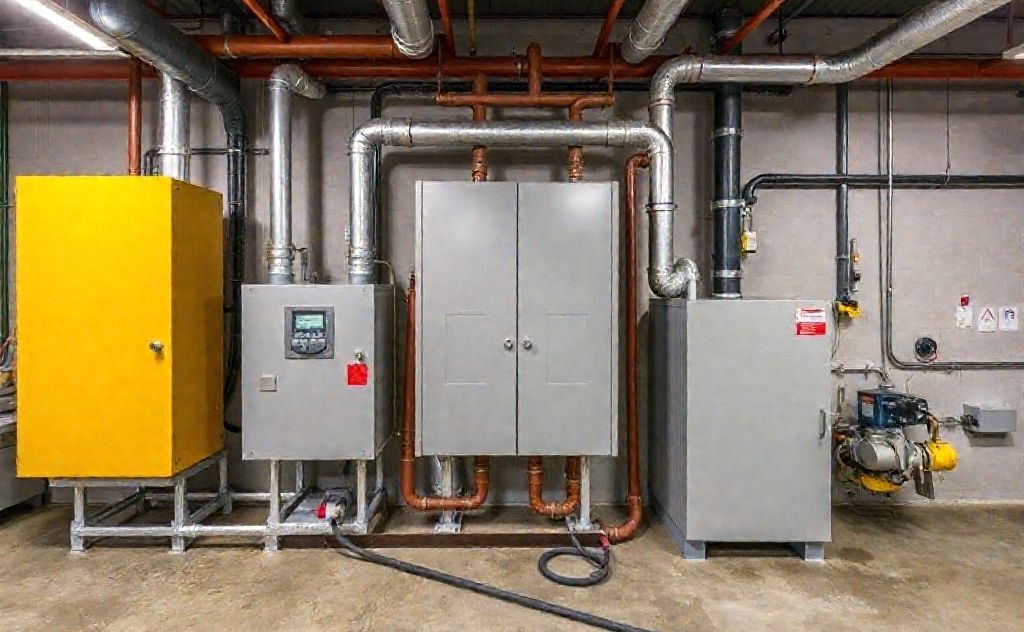
Why Retrofit Old Temperature Control Systems?
Older systems often lack the precision and automation of modern temperature controls. Common problems include:
- Manual thermostats requiring constant adjustment
- No integration with smart home systems
- Inefficient energy use during peak rate periods
- Inconsistent temperatures throughout spaces
- Difficulty maintaining proper water temperatures
Retrofitting solves these issues while preserving existing equipment. According to AAA Heating and Cooling, proper retrofits can improve energy efficiency by 20-40% in older buildings.

Key Retrofit Strategies for Different Systems
1. Water Heater Retrofits
For older water heaters without digital controls:
Smart Thermostat Add-ons
Install external smart controllers that interface with mechanical dials using servo motors. These can be programmed to:
- Heat water during off-peak electricity hours
- Maintain legionella prevention cycles
- Adjust temperatures based on usage patterns
As discussed in our recirculating pump guide, adding smart circulation can further improve efficiency.
Power Monitoring and Control
For electric water heaters, smart relays can:
- Monitor real-time energy consumption
- Automatically reduce load during peak demand
- Provide remote on/off control
2. HVAC System Upgrades
Historic buildings often need creative solutions to preserve architecture while improving comfort:
| Solution | Benefits | Considerations |
|---|---|---|
| Ductless Mini-Splits | Zoned control, minimal structural impact | Visible indoor units |
| High-Velocity Small Duct Systems | Fits in tight spaces, whole-home comfort | Higher installation cost |
| Smart Thermostats with Remote Sensors | Balances temperatures throughout home | May require wiring updates |
For homes with vented gas heating systems, adding smart zone controls can optimize performance.
Smart Technology Integration
Modern retrofits focus on connectivity and automation:
Wireless Sensor Networks
Battery-powered sensors monitor:
- Room-by-room temperatures
- Water temperatures
- System performance metrics
Cloud-Based Control
Platforms like Home Assistant allow:
- Remote monitoring and adjustment
- Integration with other smart devices
- Automated scheduling based on utility rates
According to Home Assistant community projects, even mechanical systems from the 1970s can be automated with creative solutions.
Implementation Considerations
When planning a retrofit:
- Check local regulations for historic buildings
- Assess electrical system capacity
- Prioritize safety near water sources
- Consider battery backup for critical systems
- Plan for future maintenance access
For complex projects, consult specialists familiar with both historic preservation and modern HVAC technologies. The right retrofit preserves your building’s character while delivering 21st century comfort and efficiency.
Related pick: Check today's price on Amazon

I am a mechanical engineer and love doing research on different home and outdoor heating options. When I am not working, I love spending time with my family and friends. I also enjoy blogging about my findings and helping others to find the best heating options for their needs.
Related guides

Key Components of Industrial Temperature Control Systems
The key components of industrial temperature control include sensors, controllers, actuators, and feedback systems to ensure accurate monitoring…
Master Temperature Control: Design Systems That Work
To design an effective temperature control system, integrate precise sensors, advanced algorithms, and user-friendly interfaces for optimal performance…
How Industrial Temperature Sensors Boost Efficiency & Safety
Sensors monitor and control industrial temperature by providing real-time data, ensuring optimal conditions for processes, enhancing safety, and…
