

Your heater doesn’t have to be an eyesore. In fact, with a few thoughtful upgrades, it can become a seamless part of your modern decor. This guide walks you through practical strategies to enhance your heater’s look, from simple cosmetic fixes to smart tech integrations that improve both form and function.
For those looking to extend their stylish heating solutions outdoors, many find the Hualedi Patio Heater offers a sleek, modern design perfect for patios and decks. It’s a great example of how heating appliances can prioritize aesthetics without sacrificing performance.
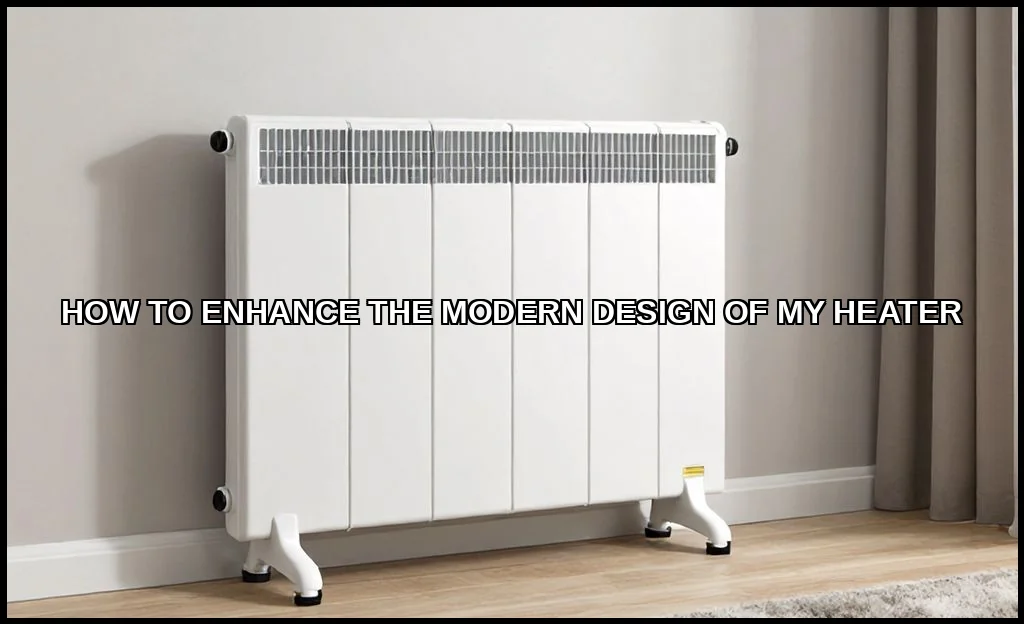
What Defines Modern Heater Aesthetics?
Modern design leans on clean lines, minimalism, and intentional integration. It’s about making the heater look like a deliberate choice, not a necessary evil. Think matte finishes, neutral colors, and geometric forms that complement contemporary furniture.
The goal is to improve heater appearance so it blends or becomes a subtle focal point. This shift in thinking is central to contemporary heater styling. It moves the unit from being purely utilitarian to a considered element of your room’s design language.
Core Principles for a Contemporary Look
Focus on these three ideas. First, reduce visual clutter. Hide unsightly cords, dials, or bulky casings. Second, prioritize cohesive materials. Match metals or wood tones with other fixtures in the room. Third, ensure the design doesn’t impede function. A beautiful heater that doesn’t heat well misses the point entirely.
Upgrading Your Control System
The single most impactful update for a modern heating system is installing a smart thermostat. This isn’t just about tech; it’s about replacing an outdated plastic panel with a sleek, interactive touchscreen or a minimalist dial. It instantly elevates the entire system’s feel.
These devices learn your schedule, allow remote control via smartphone, and provide detailed energy usage data. Choosing the best smart thermostats for modern heating systems often comes down to compatibility and desired features. Brands like Nest, Ecobee, and Honeywell offer models with stunning interfaces that look more like modern art than HVAC controls. For comprehensive guidance on selection and savings, the Department of Energy’s official source on thermostats is an invaluable authority guide.
Seamless Integration is Key
A smart thermostat should integrate with your decor. Many feature customizable frames in metals or woods. This small detail helps the unit disappear into your wall or complement your trim, completing the wall heater upgrade from the control point outward.
Creative Covers and Strategic Enclosures
If replacing the heater isn’t an option, concealing it tastefully is your next best strategy. This is where decorative cover ideas truly shine. The right cover transforms an eyesore into an asset.
Purchased Solutions for Instant Style
The market is full of stylish solutions. For radiators, consider a sleek, slatted wood or metal radiator cover design. For baseboard heaters, low-profile metal grilles are available. These purchased covers offer a finished look and are typically designed with proper airflow in mind, which is non-negotiable for safety and efficiency.
When selecting any cover, always maintain the manufacturer’s specified safety clearance. Blocking vents or placing flammable materials too close is a serious fire hazard. This rule cannot be compromised for the sake of decor.
The DIY Route for Custom Fit
For a unique solution, a DIY cover for ugly baseboard heater can be a rewarding weekend project. Use materials like powder-coated steel mesh, custom-cut wood slats, or even a framed fabric panel for a softer look. The key is constructing a frame that stands off the heater, creating an air gap for heat to convect properly.
- Material Choice: Metal mesh is excellent for heat dissipation. Painted MDF is cost-effective for custom shapes.
- Ventilation: Design with more open area than you think you need. Heat must escape freely.
- Access: Build in a removable panel or hinge for easy cleaning and maintenance access.
Integrating Heaters into Your Room’s Design
True heater modernization happens when the unit feels like part of the architecture. This goes beyond just covering it up. It’s about strategic placement and thoughtful styling.
Space-Saving and Minimalist Approaches
Modern homes often favor minimalist design ideas for electric heaters. Consider wall-mounted, flat-panel electric heaters that double as art pieces. Some models even allow you to upload custom imagery. For existing units, the strategy is to create a “zone” around them. Place a plant on a simple stand nearby, or hang a piece of art above a radiator to draw the eye upward, making the heater part of a curated vignette.
This approach to integrate heater with decor treats it like any other furniture piece. It should have a relationship with the items around it, creating balance and flow in the room.
Turning Challenges into Features
An old wall heater can be a design challenge. Learning how to make an old wall heater look modern might involve painting its grille the same color as the wall (using high-heat paint) so it recedes visually. Alternatively, you could build a shallow, open shelving unit around it, using the rising heat to warm items on the shelvesa functional feature.
For broader home heating context, it’s worth noting how core systems have evolved. For instance, when considering a full system upgrade, many homeowners find brands like Bradford White to be a good choice for reliable water heating, which complements a modern space heater setup.
Safety: The Non-Negotiable Foundation
Every aesthetic modification must be filtered through a safety lens. Compromising here risks property damage and personal harm. Always consult your heater’s manual first.
Critical Safety Rules for Modified Heaters
- Maintain Airflow: Never restrict intake or exhaust vents. Any cover must have ample open area.
- Use Correct Materials: Only use non-combustible materials (metal, tile, certain treated woods) near heat sources. Fabrics and plastics must be kept well away.
- Ensure Access: You must be able to access the heater for emergency shut-off and routine maintenance without tools.
- Check Clearances: Adhere strictly to the safety clearance distances specified for all sides of the unit.
These rules apply whether you’re working on a space heater, radiator, or built-in wall unit. The principles of electric heater aesthetic enhancement always prioritize safe operation.
Bringing It All Together
Modernizing your heater is a blend of smart technology, clever design, and unwavering safety. Start with the control pointa smart thermostat offers immediate visual and functional uplift. Then, address the physical unit with a purchased or DIY decorative cover that respects airflow. Finally, style the surrounding area to incorporate the heater into your room’s narrative.
Remember, the best solutions often come from viewing constraints as creative opportunities. That bulky radiator can become a bench base. That plain wall heater can be the center of a gallery wall. And for whole-home systems, modern options like a Navien tankless unit can provide efficient, on-demand heat that works in harmony with your localized decorative heater solutions. The result is a home that feels cohesive, intentional, and comfortably warm in every sense.

I am a mechanical engineer and love doing research on different home and outdoor heating options. When I am not working, I love spending time with my family and friends. I also enjoy blogging about my findings and helping others to find the best heating options for their needs.
Related guides

Minimalist Heater Design: Sleek Warmth For Modern Spaces
Why Your Space Heater Doesn't Have to Be an EyesorenYou've spent hours picking the right sofa, the perfect…

Modern Heater Color Combinations That Elevate Your Space
Modern heaters can feature sleek color combinations like matte black and gold, or white with vibrant accents, enhancing…
21 Modern Heater Designs That Blend Style & Efficiency
Explore sleek, energy-efficient heaters with smart technology, customizable aesthetics, and eco-friendly materials for a modern home design upgrade.…
