

The best way to heat a house efficiently is by using a programmable thermostat with a high-efficiency furnace or heat pump, ensuring proper insulation and sealing.
Struggling with high heating bills, uneven warmth, or an outdated system? You’re not alone. Many homeowners face chilly rooms, skyrocketing energy costs, and inefficient heating methods—especially in extreme climates.
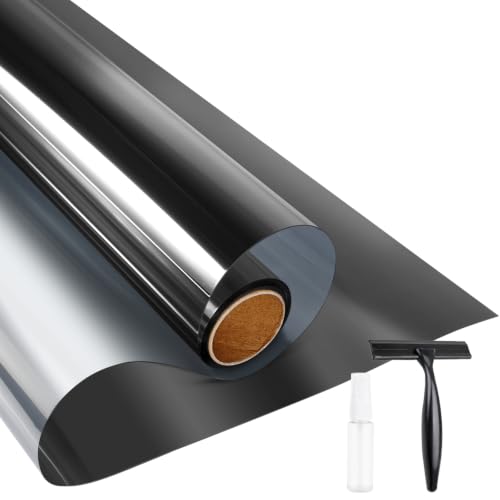
KESPEN WINDOW FILMS
KESPEN Window Privacy Film One Way Static…
- ONLY DAYTIME PRIVACY PROTECTION: This one way window film provides superb privacy during daytime, the mirror reflection of privacy…
- UV BLOCKING & GLARE CONTROL: KESPEN sun blocking window film can effectively block 82% of infrared rays and 90% of UV rays which m…
- HEAT CONTROL & ENERGY SAVING: The window tinting film for home reflects some of the heat back outside, thus reducing the amount of…
The right heating solution can slash energy bills, improve comfort, and reduce environmental impact. In this guide, we’ll cover the top heating methods, their pros and cons, and how to maximize efficiency. Whether you’re upgrading an old system or exploring alternatives like heat pumps, we’ve got you covered.
Key Takeaways
- Heat pumps are the most energy-efficient option for moderate climates.
- Proper insulation and air sealing can cut heating costs by 30%.
- Fuel type (gas, electric, solar) impacts long-term savings.
- Smart thermostats optimize heating schedules for efficiency.
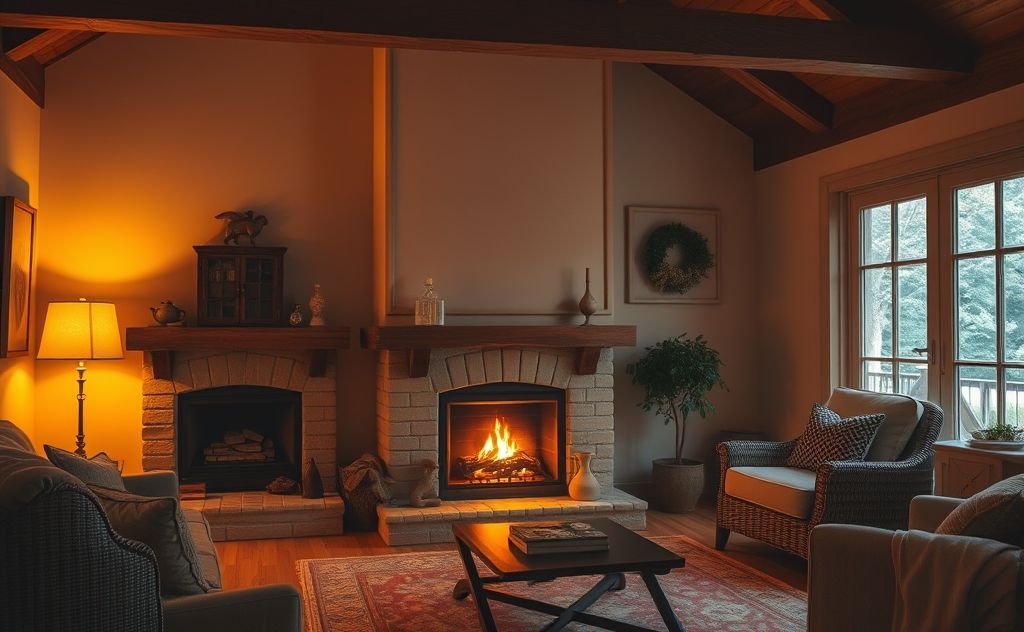
1. Heat Pumps (Most Efficient for Moderate Climates)
Heat pumps transfer heat instead of generating it, making them 300% more efficient than furnaces. They work best in temperatures above freezing, though modern cold-climate models perform well below 0°F. Types include:
- Air-source: Affordable and easy to install.
- Ground-source (geothermal): Higher upfront cost but lower operating expenses.
According to the U.S. Department of Energy, heat pumps can reduce electricity use by 50% compared to electric resistance heating.
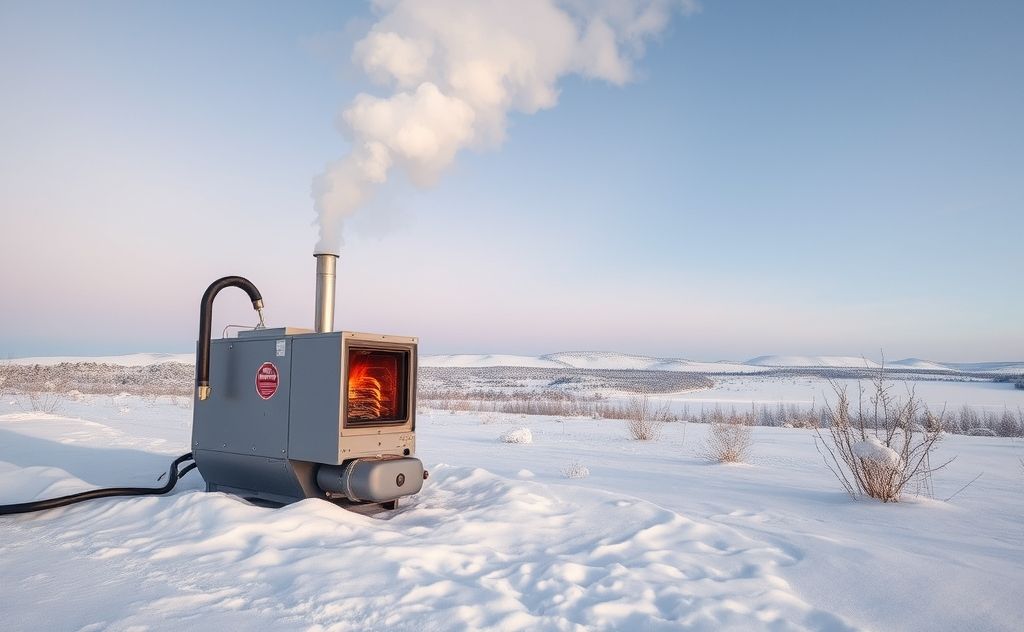
2. High-Efficiency Furnaces (Best for Cold Climates)
For areas with harsh winters, a gas furnace with 95%+ AFUE (Annual Fuel Utilization Efficiency) is ideal. Key benefits:
- Fast, powerful heating.
- Lower fuel costs than oil or electric systems.
Pair with a smart thermostat to avoid overheating unused spaces.
3. Radiant Floor Heating (Best for Comfort)
Heated water tubes or electric coils under floors provide even warmth without drafts. Pros:
- Silent operation.
- Allergy-friendly (no forced air).
Best for new builds or renovations due to installation complexity.
4. Wood/Pellet Stoves (Best Off-Grid Option)
Ideal for rural areas or supplemental heating. Modern pellet stoves are EPA-certified, burning cleaner than traditional wood stoves.
5. Solar Heating (Best for Sustainability)
Passive solar design or solar thermal systems can cut reliance on fossil fuels. Requires sunny climates and backup for cloudy days.
Comparison Table: Top Heating Methods
| Method | Upfront Cost | Efficiency | Best For |
|---|---|---|---|
| Heat Pump | $$-$$$ | 300-400% | Moderate climates |
| High-Efficiency Furnace | $$-$$$ | 95% AFUE | Cold climates |
| Radiant Floor | $$$$ | Varies | New builds |
Final Thoughts
The best heating system depends on your climate, budget, and home layout. Heat pumps lead in efficiency, while furnaces dominate in colder regions. Pair any system with insulation upgrades and a programmable thermostat for peak performance. For more details, explore the ENERGY STAR guide.
Related pick: Check today's price on Amazon

I am a mechanical engineer and love doing research on different home and outdoor heating options. When I am not working, I love spending time with my family and friends. I also enjoy blogging about my findings and helping others to find the best heating options for their needs.
Related guides

Why the Dr. Infrared Heater DR-900HP is a Game-Changer for Pools
Stay warm and save on energy bills with the Dr. Infrared Heater DR-900HP! Read our in-depth review to…
Best Window Heat Blocker: A Game Changer for Summer!
Beat the heat with the best window heat blocker! Keep your home cool and energy-efficient all summer long.…
Naturally warms my garage—best electric heater!
Stay warm this winter! Find the best electric heat for your garage and keep your space cozy and…
