

Get this wrong and you can buy a pile of parts that don’t fit, or worse, end up with soot, delayed ignition, or a gas leak. The money part is annoying. The safety part is the one that matters.
The right answer starts with the heater’s data plate and the manufacturer’s conversion kit, then moves to venting, leak checks, and local code. Skip any step you can’t verify on paper.
How To Safely Convert Propane Water Heater To Natural Gas
You can convert a propane water heater to natural gas only if the manufacturer lists the model as convertible and you have the skills to safely work with gas. If those conditions aren’t met, it’s a licensed professional’s job, not a DIY weekend project.
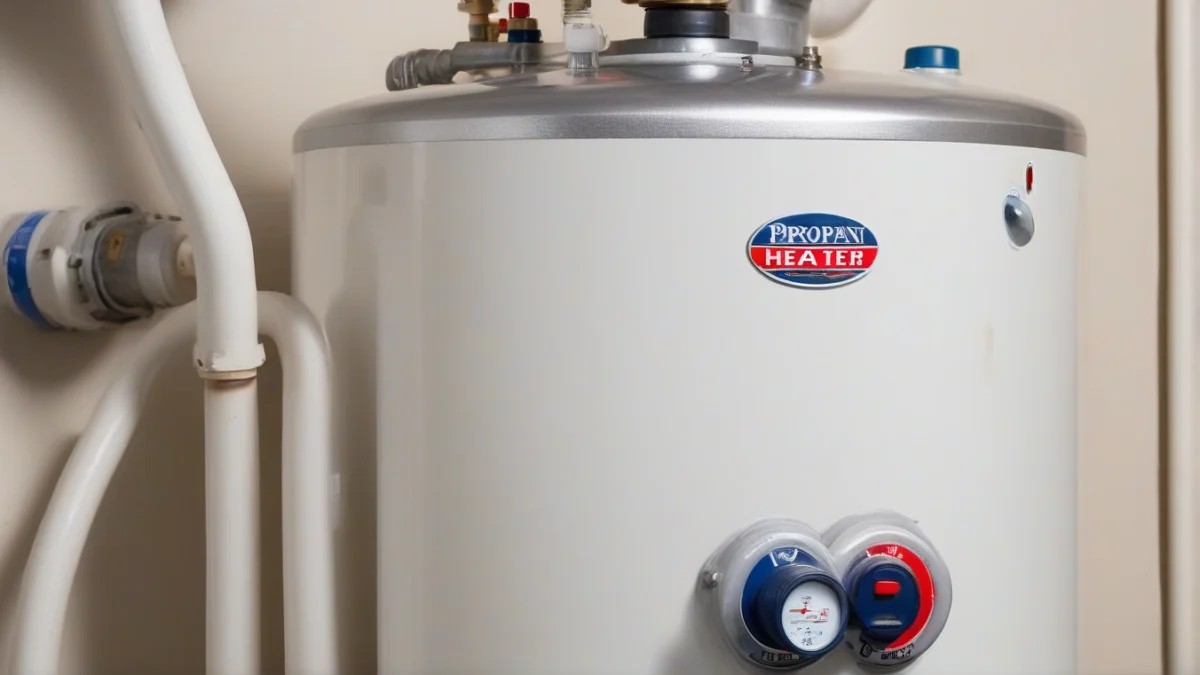
Start by locating the model and serial number on the water heater’s data plate. This information is key to finding the exact conversion kit designed for your heater. Using generic parts often leads to twice the hassle and can be unsafe.

What Goes Wrong During A Gas Conversion
Converting a propane patio heater to natural gas isn’t as simple as swapping tanks; it requires specific parts and adjustments, making it a job separate from indoor water heater conversions. Outdoor heaters usually have different pressure requirements and orifice sizes, so expect to find specialized conversion kits if the manufacturer offers them. Conversely, converting a natural gas heater back to propane is possible but demands the right valves and orifices designed for propane’s higher pressure and smaller orifice size.
Common problems during conversion trace back to mismatched parts and incorrect settings. Using the wrong orifice size is the biggest culprit: propane needs smaller holes, while natural gas requires larger ones. If you install a propane orifice on a natural gas system, the flame will starve for fuel, causing a lazy, yellow flame and poor heating. The opposite results in too much gas flow, risking soot buildup or flame rollout.
Regulator settings are just as critical. Propane operates at a higher pressure (typically 11 inches water column) than natural gas (usually 3.5 inches). If you don’t adjust the regulator to the right pressure for natural gas, the burner won’t perform correctly, leading to incomplete combustion or dangerous gas leaks. Resist the temptation to force a valve that isn’t convertible; these components are precision-made and can leak or fail if modified improperly.
Visible warning signs include a lazy yellow flame instead of a steady blue one, soot deposits at the burner, popping noises when lighting, the smell of gas, and flame rollout, where the flame extends beyond the burner area. Each indicates incomplete combustion or a gas leak and calls for immediate attention.
Don’t confuse indoor water heater conversions with outdoor units like patio or torpedo heaters. Outdoor heaters often lack the oxygen depletion sensors and venting requirements of indoor models. Treating an outdoor heater conversion the same can lead to dangerous situations.
When Permits Or A Licensed Pro Are Required
The cost to convert a water heater from propane to natural gas usually runs a few hundred dollars, but this depends heavily on whether you handle it yourself or hire a licensed pro to meet code requirements.
You can convert a Richmond water heater from LP to natural gas only if the manufacturer explicitly lists that model as convertible; otherwise, a replacement is safer and often required.
Converting a gas water heater to electric isn’t a true conversion; it’s a replacement that requires installing a completely different unit with electric heating elements and wiring. You cannot just rewire a propane water heater to electric heating.
Most gas piping changes, venting alterations, and nearly all water heater replacements require a permit and, in many locations, work by a licensed plumber or HVAC contractor. This ensures the installation meets local codes and safety standards.
If the tank, controls, or vent system of your water heater is not listed for conversion, custom modifications become unsafe and are not allowed. The proper course is to replace the water heater with a compatible model.
Licensed work is especially critical when the water heater sits in confined spaces like closets, attics, or garages where clearances, combustion air supply, and venting are limited. These environments increase risks if installation isn’t done correctly.
Local codes vary on vent-free gas equipment, with some places banning or restricting it. However, standard vented water heaters must always follow their listing and local code regardless.
A permit inspector usually expects to see the water heater manual, conversion kit paperwork, and proof that a leak test and combustion check were performed after installation.
How Much The Conversion Usually Costs
Converting a propane water heater to natural gas typically costs a few hundred dollars, but the final price depends on several factors including the conversion kit, labor, gas line adjustments, and permit fees.
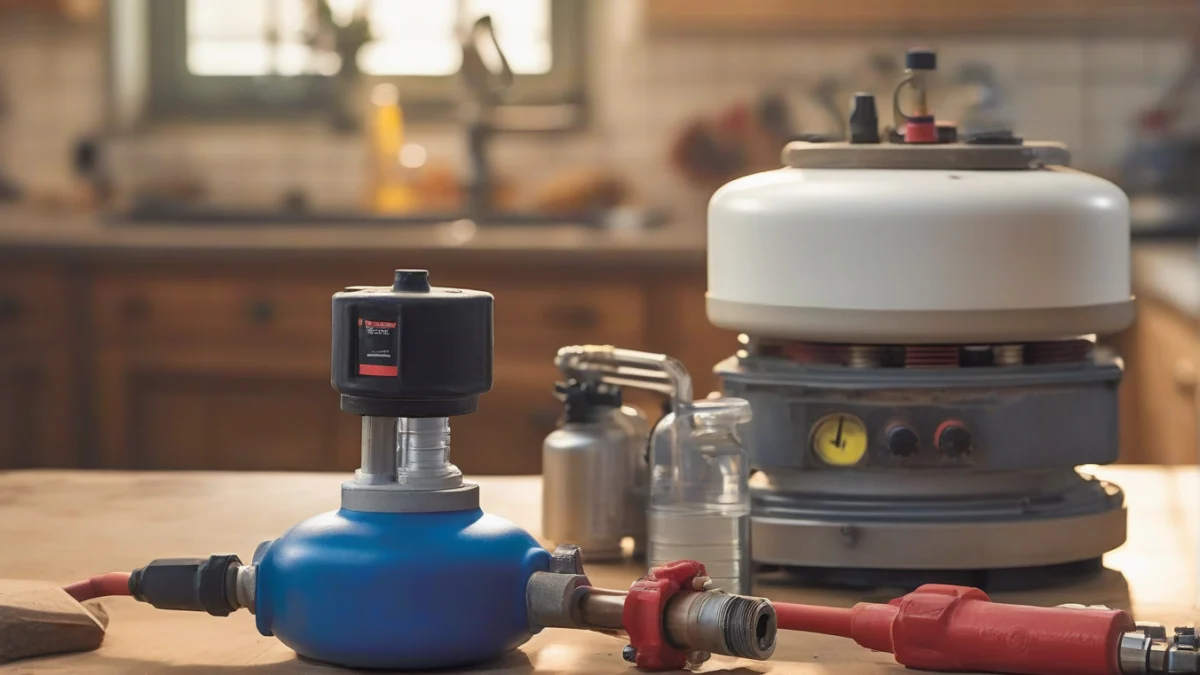
A conversion kit alone might run between $50 and $150, while a service call from a licensed technician can add another $100 to $300 depending on your region. Permit fees vary widely but expect at least $50 to $100 more if local codes require them. Changes to your gas piping or venting can increase costs significantly.
For example, installing a kit and paying for a service call plus a permit can easily reach the low hundreds before any extra work on gas lines or venting is done. If your water heater isn’t listed as convertible by the manufacturer, conversion isn’t practical and replacement is usually the better option.
Comparing these costs against the age and condition of your heater is key. Say your unit is over 10 years old or shows signs of wear on the burner assembly or tank; spending on conversion plus repairs may not be cost-effective.
Costs to convert oil-fired units to natural gas tend to be higher because of additional burner changes and gas line upgrades. Approximations for converting natural gas heaters to propane or vice versa follow similar patterns but always depend on the specific model and local labor rates.
Check Before You Buy Parts Or Call A Tech
Start by confirming your water heater’s model number and fuel type on the data plate. The manufacturer’s manual should explicitly list the model as convertible from propane to natural gas or vice versa before you buy any parts or book a technician.
Make sure the gas shutoff valve and temperature-pressure (T&P) relief valve remain easily accessible after any work. This access is critical for safety and routine maintenance.
Keep the manual handy when you call a plumber or gas contractor. It contains model-specific instructions and part numbers that will save time and avoid mistakes.
If you want to convert a gas water heater to LP propane instead of natural gas, the same checks and procedures apply, just with the correct kit and pressure settings for propane.
More water heaters guides on HeaterGuides.
Frequently Asked Questions
How hard is it to convert a propane water heater to natural gas?
Can you convert a Richmond LP water heater to natural gas?
Is there a way to convert a gas hot water heater to electric?
How much does it cost to convert a water heater from propane to natural gas?
How do I know if my water heater is convertible?

HeaterGuides covers home heating, water heating and HVAC: how the equipment works, what it costs to run, and how to use it safely.
