

To control home temperature manually, adjust your thermostat settings, use fans or space heaters, and seal windows and doors to maintain desired comfort levels.
Taking charge of your home’s temperature manually gives you complete comfort control while potentially lowering energy bills. Whether you’re adjusting a smart thermostat or using old-school methods, these techniques work for any home.

Andelov
Analog Thermometer Hygrometer for Indoor, Outdoor,Room,House,Greenhouse
- 【Dual-Scale Analog Design, No Battery Required.】Our Andelov thermometer hygrometer features a premium mechanical movement with dua…
- 【All-Season Precision Monitoring with Clear Readings】The thermometer hygrometer range is -22°F to 122°F / 0-100% RHIdeal for year-…
- 【Versatile Mounting Options for All Scenarios】Equipped with a top hanging ring and included lanyard with carabiner, this thermomet…
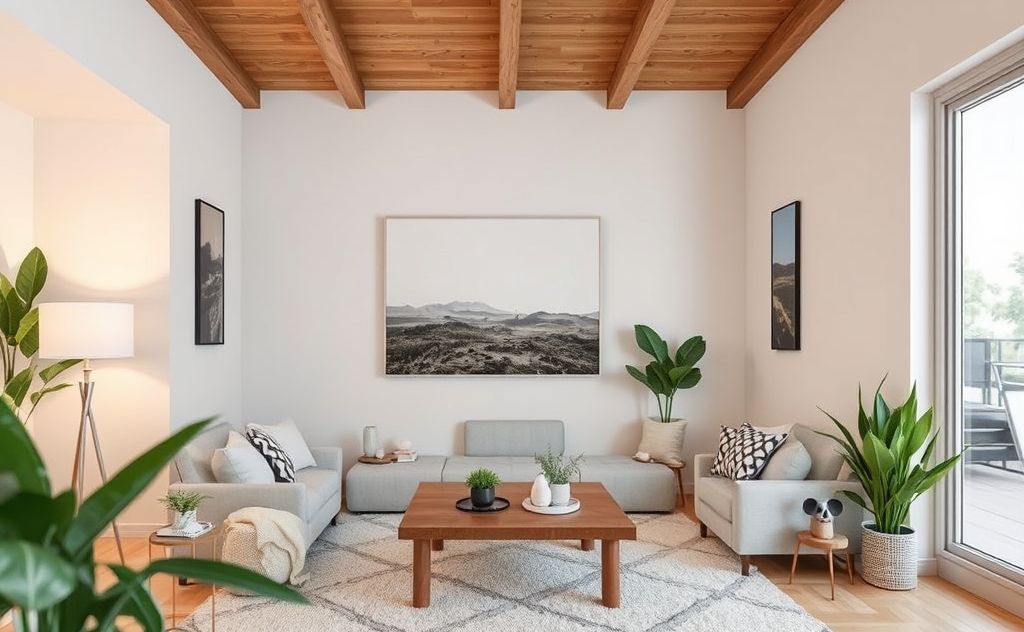
Thermostat Adjustment Fundamentals
Your thermostat is command central for temperature control. Here’s how to maximize its manual settings:
Basic Temperature Changes
For most thermostats:
- Press the mode button to select Heat, Cool, or Auto
- Use arrows or dial to adjust temperature
- Wait 2-3 hours between adjustments for system to stabilize
Smart Thermostat Tricks
Nest and other smart models offer advanced manual controls:
- Rotate the ring or swipe screen to change temps
- Press and hold to make quick 5° adjustments
- Create custom presets for frequent temperature needs
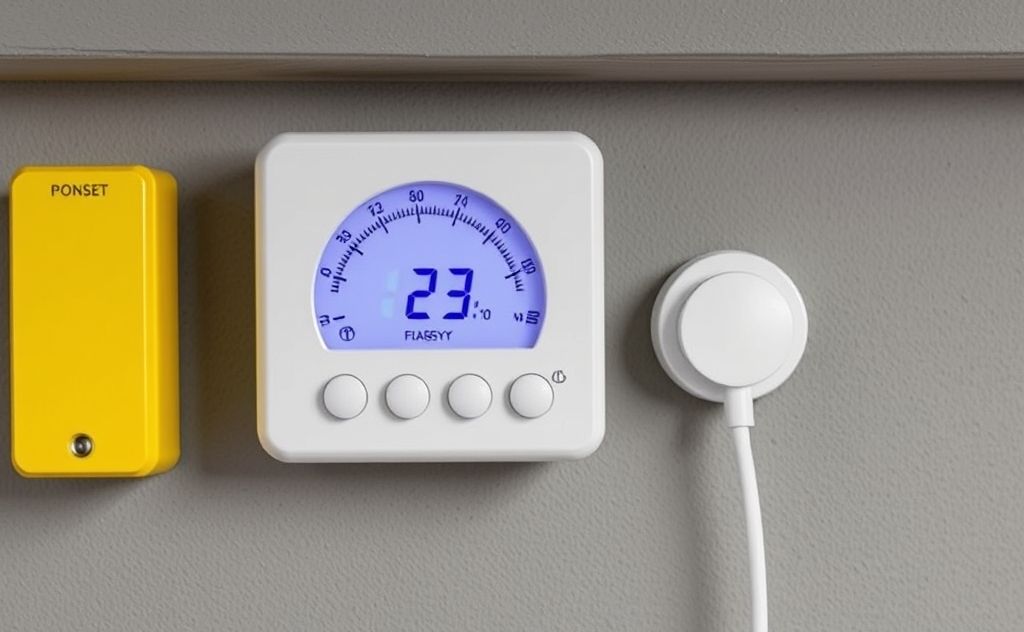
Alternative Temperature Control Methods
Window Strategies
Windows impact temperature more than you think:
| Season | Daytime | Nighttime |
|---|---|---|
| Winter | Open south-facing | Close all + curtains |
| Summer | Close + blinds | Open for cross-breeze |
Fan Circulation Techniques
Fans can make a 4-6° difference:
- Winter: Run ceiling fans clockwise at low speed
- Summer: Counter-clockwise at high speed
- Use box fans in windows to push hot air out
Room-by-Room Temperature Management
Zoning Without Smart Systems
Control temperatures in individual rooms:
- Close vents/doors in unused rooms
- Use space heaters for spot heating
- Install programmable radiator valves on hot water systems
Kitchen Heat Control
The kitchen often overheats homes:
- Use exhaust fans when cooking
- Cook in evening during summer
- Bake in winter to supplement heat
Seasonal Manual Control Strategies
Winter Warming Tricks
Stay warm without cranking the heat:
- Layer rugs on cold floors
- Open curtains on sunny days
- Place thermal blankets on furniture
Summer Cooling Methods
Beat the heat naturally:
- Create cross-breezes with multiple windows
- Dampen curtains for evaporative cooling
- Use basement air to cool upper floors
When Manual Controls Fail
Sometimes systems need troubleshooting. If your gas heater won’t ignite or temperatures won’t change:
- Check circuit breakers
- Replace thermostat batteries
- Inspect filters monthly
For more advanced issues, the U.S. Department of Energy recommends professional HVAC maintenance annually.
Manual temperature control becomes second nature with practice. Start with small adjustments and track what works best for your home’s unique characteristics. The EPA notes proper temperature control also improves indoor air quality.
Related pick: Check today's price on Amazon

I am a mechanical engineer and love doing research on different home and outdoor heating options. When I am not working, I love spending time with my family and friends. I also enjoy blogging about my findings and helping others to find the best heating options for their needs.
Related guides

How to Balance Your Home’s Temperature Year-Round
Ever notice how one room feels like a cozy retreat while another mimics a drafty attic? That frustrating…

12 Proven Ways to Stabilize Your Home Temperature Year-Round
To ensure home temperature stability, use programmable thermostats, seal leaks, insulate properly, and maintain HVAC systems regularly for…
Smart Ways to Stabilize Home Temperature Fluctuations
To manage home temperature fluctuations, use programmable thermostats, seal drafts, and insulate properly to maintain consistent indoor comfort…