You walk into your living room. It’s 68 °F in January, you’re in shorts, and the furnace has been running nonstop since 2 PM. The monthly bill arrives — $240. You shake your head, wondering if the thermostat is doing more harm than good.
This happens to a lot of people. They buy a smart thermostat expecting magic, but the factory defaults don’t save much. The real savings come from dialing in the right settings for your home and schedule. That’s what this article covers.
By the end, you’ll know exactly which settings to change, what temperatures to use, and which features actually pay off. No vague advice. Just numbers you can set today.
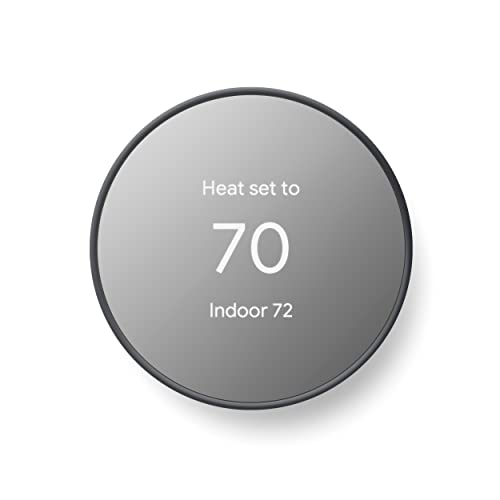
One device that handles these settings well is the ecobee Smart Thermostat Essential. It’s Energy Star Certified, works with 85% of systems, and the free software updates keep the features fresh. The color touchscreen makes tweaking schedules easy, and the app shows your energy use in real time.
1. Set a Schedule That Matches Your Actual Life

The biggest mistake people make: they let the thermostat run one temperature all day. That’s like leaving the faucet running while you brush your teeth. You’re paying for heat or cool air nobody uses.
A smart thermostat’s schedule lets you drop temperatures when you’re asleep or away. The U.S. Department of Energy recommends setting the temperature back 7–10 °F for eight hours a day. That alone saves up to 10% a year on heating and cooling.
Here’s a practical schedule for a typical 9-to-5 household:
- 6:00 AM – wake up: 68 °F heating / 74 °F cooling
- 8:30 AM – leave for work: 62 °F heating / 82 °F cooling
- 5:00 PM – return home: 68 °F heating / 74 °F cooling
- 10:30 PM – bedtime: 62 °F heating / 78 °F cooling
Pro tip: give the system about 30 minutes to reach the target. Set the ‘return home’ time 30 minutes before you actually walk in. The ecobee handles that with its Smart Recovery feature — it learns how long your system takes and starts early, so you don’t feel the chill.
If your schedule changes daily, use the geofencing feature instead of a fixed schedule. More on that in a moment.
2. Choose the Right Temperature Setpoints
Numbers matter. Every degree you raise the thermostat in summer (or lower it in winter) cuts about 3–5% from your energy bill. That’s real money over a season.
But you can’t live in a sweatbox or an icebox. So find the sweet spot:
- Heating: 68 °F when home, 62 °F when away or asleep
- Cooling: 78 °F when home, 82 °F when away
Those numbers come from Energy Star research. They’re comfortable for most people in light clothing. If you run cold, wear a sweater before bumping the heat. If you run hot, a ceiling fan adds 4 °F of perceived cooling for pennies.
One common gotcha: don’t crank the thermostat way up or down thinking it’ll heat or cool faster. It doesn’t. Systems run at full power until they reach the setpoint, no matter how far away it is. All you do is overshoot and waste energy.
Stick to those setpoints and your system runs shorter cycles. That means less wear on the compressor and furnace too.
3. Use Geofencing and Away Mode Properly
Geofencing uses your phone’s location to set the thermostat to away mode when you leave and resume when you return. It’s the most automatic way to save, but it needs a couple tweaks.
Most smart thermostats, including the ecobee, let you set the geofence radius. The default is often too large — maybe a mile. That means the thermostat might flip to away mode while you’re still at the grocery store down the street, and you come back to a cold house. Set the radius smaller, like 0.3 miles, to avoid that.
Also, set a minimum away time of 30 minutes. Short trips to walk the dog don’t need a full temperature swing. The ecobee app lets you adjust both settings under ‘Home & Away’ in the menu.
For deeper savings, geofencing efficiency works best when combined with a smart schedule. When you’re home but nobody’s in certain rooms, consider zone control with smart vents. Read more about best HVAC smart vents if you want to push savings further.
4. Enable Adaptive Recovery (But Watch the Fine Print)
Adaptive recovery (ecobee calls it Smart Recovery, Nest calls it Early-On) learns how long your system takes to reach the set temperature and starts early. It sounds like a gimmick, but it actually saves energy because the system runs at a moderate pace instead of a full-throttle blast.
Here’s the catch: adaptive recovery can increase runtime if you have a very tight schedule. For example, if you set the heat to 62 °F at night and 68 °F at 6:00 AM, the furnace might start at 4:30 AM to get there. That means five extra minutes of runtime spread over an hour, but the system runs more efficiently at partial load. Most modern heat pumps and furnaces benefit from this.
My advice: turn it on. Let it run for a week. Then check your runtime data in the app. If you see longer cycles than before, your home may have high thermal loss. In that case, fix drafts and insulation first — no thermostat setting can compensate for a leaky house.
One more setting people overlook: fan control. Set the fan to ‘Auto’ instead of ‘On’. Running the fan continuously can add $10–$20 a month to your electric bill with no comfort benefit. If you want air circulation, use the ‘Circulate’ mode that runs the fan a few minutes per hour.
Comparison Table: Setting Approaches for Maximum Efficiency
| Setting Strategy | Best For | Estimated Savings | Downside |
|---|---|---|---|
| Fixed schedule (as above) | Predictable 9-to-5 households | 10–15% on annual HVAC costs | Doesn’t adapt to irregular days |
| Geofencing only | People with variable schedules | 8–12% | False away-mode triggers (too sensitive) |
| Adaptive recovery on | Homes with moderate thermal mass | Adds 2–5% to schedule savings | Longer pre-conditioning runs in old homes |
| Setback + adaptive recovery | Most users (best overall) | 12–18% | Takes a week to calibrate |
Frequently Asked Questions
What are the best smart thermostat settings for winter?
Set heating to 68 °F when you’re home and awake, 62 °F when you’re asleep or away. Enable adaptive recovery so the system pre-heats gradually. Turn the fan to Auto. If you have a heat pump, avoid huge setbacks (more than 5 °F) — heat pumps recover slowly and may need auxiliary heat, which costs more.
How much can I save by adjusting my smart thermostat settings?
With an 8-hour setback of 7–10 °F, typical households save 10–15% on heating and cooling. If you also use geofencing and adaptive recovery, push that to 20% or more. The ecobee claims up to 23% compared to a constant 72 °F hold, based on its own testing. Actual savings depend on your climate, home size, and insulation.
Should I set my thermostat to ‘Hold’ or ‘Schedule’?
Always use the schedule, not a permanent hold. Hold mode locks the temperature at one value round the clock — the opposite of energy saving. If you’re leaving for the weekend, set a temporary hold or enable away mode. The schedule automatically returns to energy-saving setbacks when you’re not there.
Does turning the thermostat way down when I leave save more money?
Yes, but within reason. Dropping from 68 °F to 50 °F in winter saves more than dropping to 60 °F, but it takes longer to recover and can stress the system. For most homes, 62 °F is a good balance. Below 55 °F you risk frozen pipes in cold climates, so don’t go that low unless you’re away for weeks.
Can a smart thermostat save money on summer cooling too?
Absolutely. The same principles apply: set cooling to 78 °F when home (or higher if you can stand it), and 82–85 °F when away. Use a ceiling fan to stay comfortable. The improve energy efficiency article covers summer strategies in detail.
Quick Actions to Take Right Now
- Program a schedule with a 7–10 °F setback for at least eight hours a day. Start with the times listed above.
- Change your thermostat’s temperature setpoints to 68/62 (winter) and 78/82 (summer).
- Turn on adaptive recovery (Smart Recovery or Early-On) in your thermostat’s settings.
- Set the fan to Auto, not On. Use Circulate if you need airflow.
- Enable geofencing with a tight radius (0.3 miles) and a 30-minute minimum away delay.
- Check runtime data in the app after a week to confirm your system isn’t running too long.
- Avoid the most common mistake: cranking the thermostat up or down for faster results — it never works.

HeaterGuides covers home heating, water heating and HVAC: how the equipment works, what it costs to run, and how to use it safely.