Geofencing Smart Thermostats: Maximize Efficiency & Savings
On this page 6 sections
Geofencing enhances smart thermostat efficiency by adjusting temperatures based on your location, optimizing energy use and comfort while reducing costs.
Smart thermostats with geofencing technology are revolutionizing home climate control. These devices automatically adjust your home’s temperature based on your smartphone location, creating a perfect balance of comfort and energy savings. When you leave, the thermostat switches to energy-saving mode. As you return, it prepares your home to the ideal temperature.
How Geofencing Enhances Smart Thermostat Performance
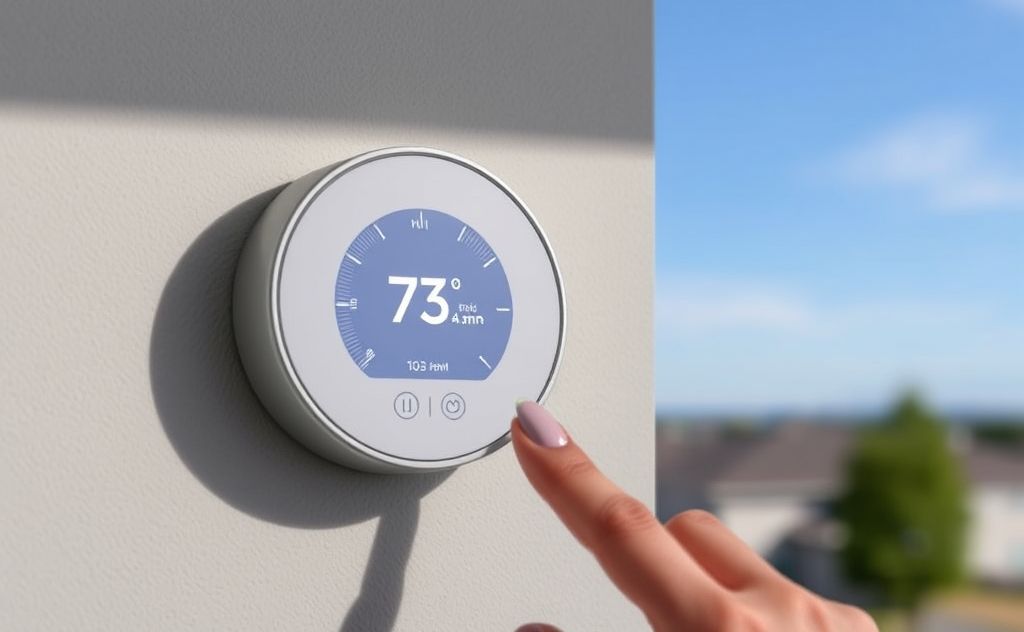
Geofencing creates an invisible boundary around your home using GPS or Wi-Fi signals. When your phone crosses this boundary, your thermostat receives a signal to adjust the temperature. This eliminates wasted energy from heating or cooling an empty house.
Precision Temperature Control
Unlike traditional schedules, geofencing responds to actual movement patterns. It accommodates irregular routines better than fixed programs. For households with multiple people, advanced systems can track all family members’ locations.
Energy Savings Breakdown
| Feature | Annual Savings |
|---|---|
| Basic Scheduling | 8-12% |
| Geofencing | 10-15% |
| Learning Algorithms + Geofencing | 15-23% |
Choosing the Right Geofencing Thermostat
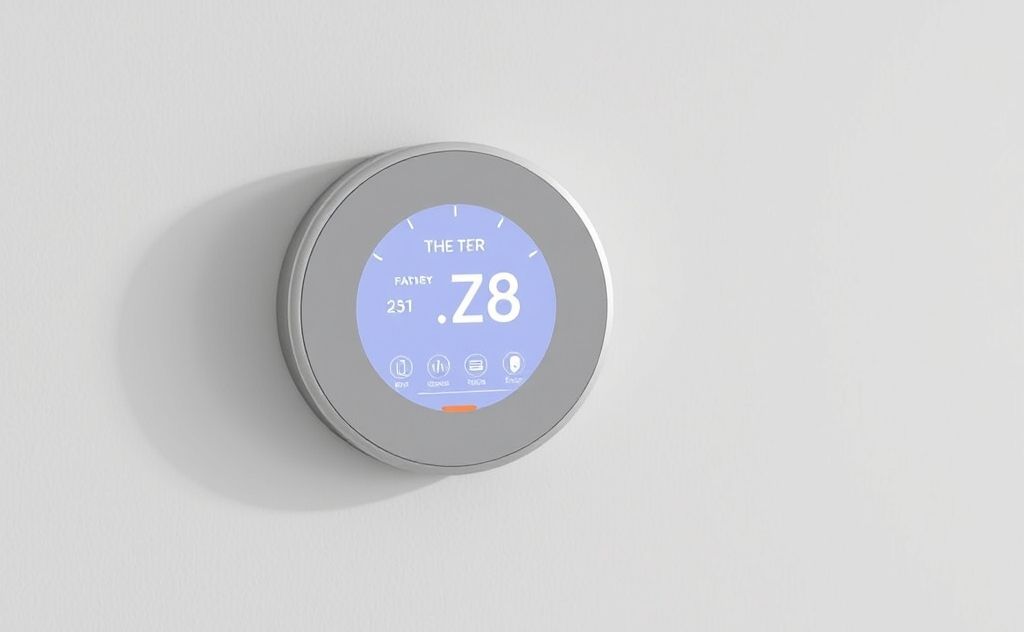
Not all smart thermostats offer equal geofencing capabilities. Look for models with these features:
- Multi-user geofencing for households
- Adjustable geofence radius (typically 100-500 meters)
- Battery backup for power outages
- Compatibility with your HVAC system
For optimal performance, consider pairing your smart thermostat with smart baseboard heaters or other compatible systems.
Installation and Setup Tips
Optimal Placement
Install your thermostat on an interior wall away from:
- Direct sunlight
- Drafts
- Heat sources
- Exterior doors
Wi-Fi Considerations
Since geofencing relies on internet connectivity, ensure strong Wi-Fi coverage. If your thermostat is far from the router, consider a Wi-Fi extender or mesh network system.
 Winter Heating Bill CutterSee what every heater in your home really costs, heat the rooms you use, and cut the waste in 30 days.Cost-per-hour tables for every heaterThermostat schedule and draft-proofing planRunning-cost and bill calculator (Excel)
Advanced Geofencing Features
Leading models now offer sophisticated capabilities:
- Arrival prediction using traffic data
- Multi-zone control for different home areas
- Integration with other smart devices like lights and security
- Weather adaptation that considers outdoor conditions
According to ENERGY STAR, proper use of smart thermostat features can save homeowners about 8% on heating and cooling bills.
Troubleshooting Common Issues
Location Accuracy Problems
If your thermostat isn’t responding properly:
- Check your phone’s location settings
- Ensure background app refresh is enabled
- Verify the app has location “always” permissions
Battery Drain Concerns
Continuous location tracking can impact phone battery life. Newer models like those from ENERGY STAR certified brands use efficient algorithms to minimize this effect.
Future of Geofencing Thermostats
Emerging technologies will enhance geofencing capabilities:
- AI-powered arrival prediction
- Integration with electric vehicle charging patterns
- Room-by-room presence detection
- Automatic seasonal adjustment algorithms
For homes with unique heating needs, consider pairing your smart thermostat with specialized equipment like indoor propane heaters for supplemental warmth in specific areas.
Related pick: Check price on Amazon