

If your water heater is over 10 years old, shows signs of leaks, produces rusty water, or lacks hot water, it’s time to consider a replacement.
Your water heater works hard every day, but it won’t last forever. Recognizing the warning signs of failure can save you from cold showers and water damage. Here’s how to know when replacement becomes necessary.

Gnictely
Well Water Sign,Outdoor Notice Sign For Business,Notice…
- Size: Approx. 20 * 30cm/ 8 * 12 inch(L * W). Hole Diameter: About 0.3cm/ 0.12 inch.
- All Signs Are Equipped With 4 Pre Punched And Pre Cleaned Mounting Holes For Easy Installation. The Sign Has Rounded Corners And B…
- The Aluminum Sign.The Graphics And Wordings Will Withstand The Elements And Will Not Fade, No Matter The Sun, Rain, Or Other Extre…
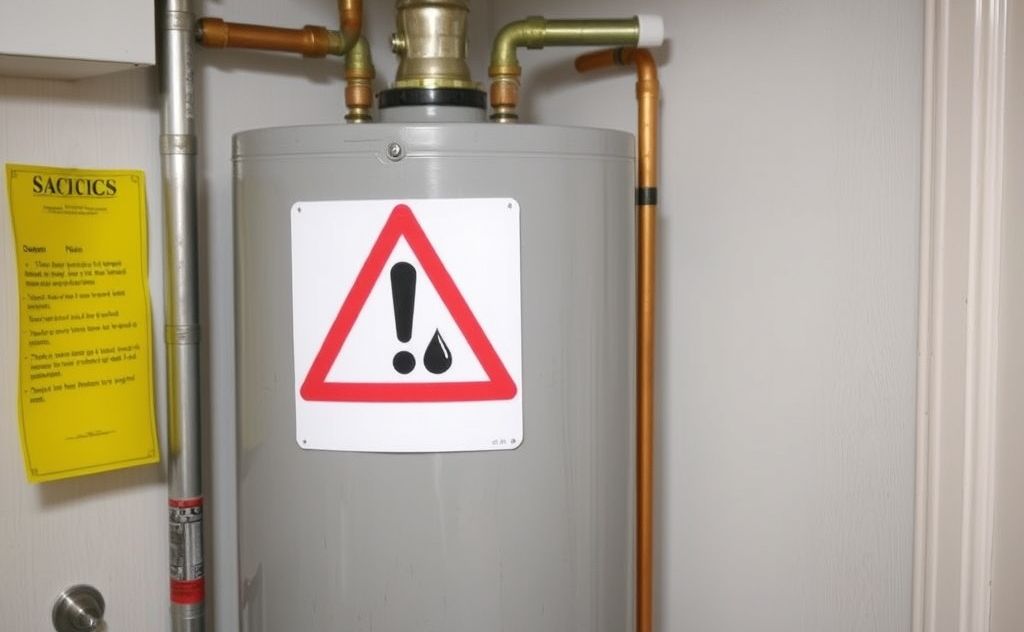
1. Your Water Heater is Over 10 Years Old
The average tank water heater lasts 8-12 years. Tankless models can last 20+ years with proper maintenance. Age alone isn’t a failure, but it increases risk significantly.
Why Age Matters
As water heaters age, sediment builds up and components wear out. The tank itself can corrode from the inside out. According to Home Depot’s water heater guide, most units show clear deterioration by year 10.
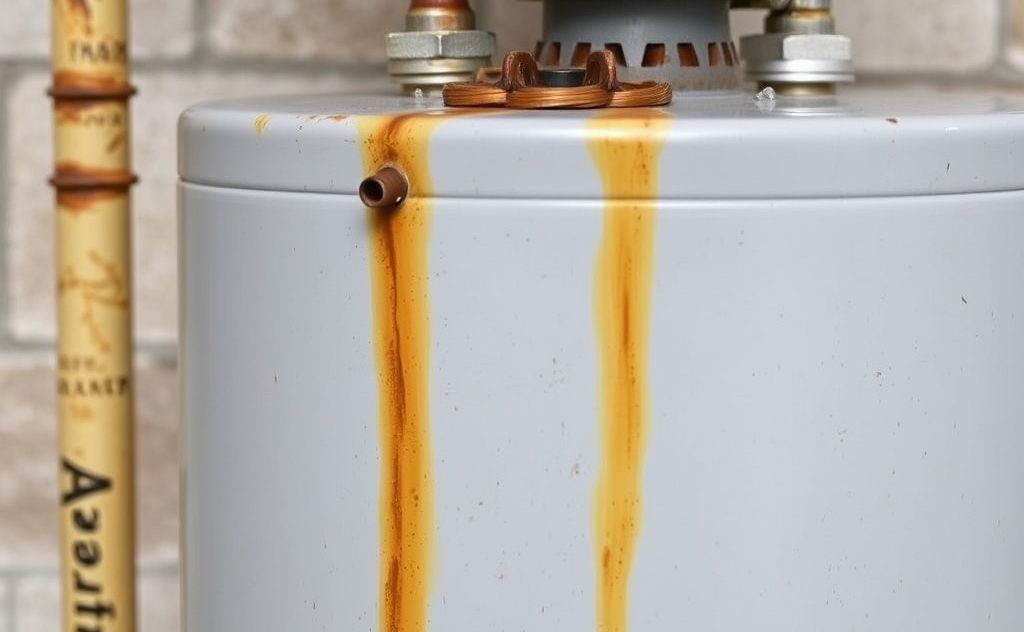
2. You’re Seeing Rust or Leaks
Water around your heater or rust-colored water are red flags.
Types of Leaks to Watch For:
- Puddles under the tank
- Drips from pipes or valves
- Moisture on the tank surface
Even small leaks often mean tank corrosion. Once the steel tank starts leaking, replacement is your only option. For valve leaks, consider replacing the check valve first if your unit is relatively new.
3. Strange Noises From the Tank
Sediment buildup causes most water heater noises:
| Sound | Likely Cause |
|---|---|
| Popping | Sediment on heating elements |
| Rumbling | Boiling water under sediment |
| Knocking | Loose heating elements |
Annual flushing can prevent these issues. But if noises persist after flushing, the tank may be failing.
4. Inconsistent or Insufficient Hot Water
Noticeable changes in hot water supply often signal problems:
- Water takes longer to heat up
- Hot water runs out faster
- Temperature fluctuates during use
These issues may stem from a failing heating element, thermostat problems, or excessive sediment. For electric heaters, consider replacing the heating elements before replacing the entire unit.
5. Rising Energy Bills
As water heaters lose efficiency, they work harder to heat water. This shows up in your utility bills. According to TLC Plumbing, a 20% increase in water heating costs often means replacement time.
Efficiency Comparison
New ENERGY STAR certified water heaters can be:
- 8-14% more efficient for gas models
- 55% more efficient for electric heat pump models
The savings often justify replacement before complete failure occurs.
When Repair Makes Sense
Consider repair instead of replacement if:
- Your unit is under 8 years old
- The issue involves replaceable parts (thermostat, valves, elements)
- You’ve maintained it properly with annual flushing
For older units or multiple symptoms, replacement usually proves more cost-effective long-term.
Related pick: Check today's price on Amazon

I am a mechanical engineer and love doing research on different home and outdoor heating options. When I am not working, I love spending time with my family and friends. I also enjoy blogging about my findings and helping others to find the best heating options for their needs.
Related guides

Top 5 Water Heaters That Will Transform Your Home Comfort
Did you know that 75% of homeowners prefer the Rheem 18kW 240V Tankless Electric Water Heater for energy…
Top Picks for the Best Condensing Tankless Water Heater You Didn’t Expect
85% of homeowners choose the best condensing tankless water heater for energy efficiency. That’s why the NEW Rinnai…
Why the Stiebel Eltron Mini Tankless Water Heater 3000W Stands Out
Experience endless hot water with the Stiebel Eltron Mini Tankless Water Heater 3000W. Efficient, compact, and perfect for…
