

If your heater control valve is bad, you may notice inconsistent cabin temperatures, coolant leaks, or a lack of heat from the heater core.
A faulty heater control valve can leave you shivering in winter or struggling with foggy windows. This critical component regulates coolant flow to your heater core, directly impacting cabin warmth and visibility. Recognizing early symptoms prevents bigger cooling system issues.

NOVAPARTS
NOVAPARTS 64116910544 Heater Control Valve for 2004-2018…
- New Heater Control Valve Solenoid Fits for 2004-2019 BMW X5 E53 E70 F15 X6 E71 F16
- HVAC Heater Control Valve for 2004 2005 2006 2007 2008 2009 2010 2011 2012 2013 2014 2015 2016 2017 2018 BMW X5, for 2008-2019 BMW…
- Part No.: 64116910544,1147412166, SK416008, EHV102, 74896, V20771011C, 701-005
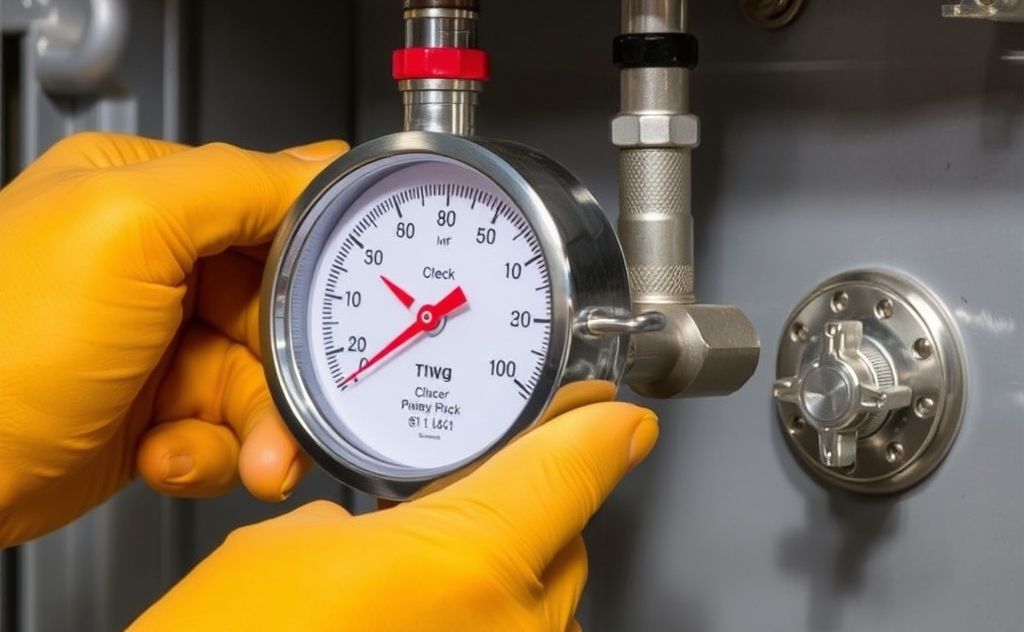
What Does a Heater Control Valve Do?
The heater control valve manages hot coolant flow between your engine and heater core. When functioning properly, it:
- Opens to allow heated coolant into the heater core when heat is requested
- Closes to block coolant flow when AC or vent mode is selected
- Modulates flow for temperature blending systems
Most valves are vacuum-operated or electronically controlled. Some older vehicles use cable-actuated valves. Modern vehicles often use blend door systems instead, like those found in Samsung dryer heaters with advanced temperature controls.
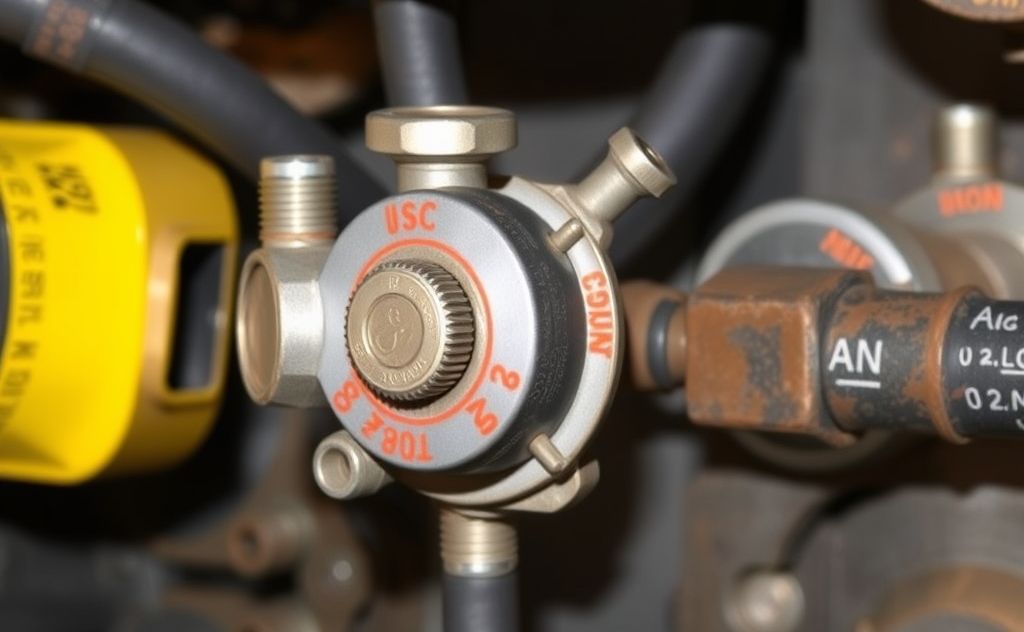
Top Symptoms of a Bad Heater Control Valve
1. No Heat From Vents
A completely stuck closed valve blocks all coolant flow to the heater core. You’ll get cold air regardless of temperature settings. Before condemning the valve, check that:
- Engine reaches normal operating temperature
- Coolant level is adequate
- Heater hoses are warm at both ends
2. Constant Heat You Can’t Adjust
When stuck open, hot coolant continuously flows through the heater core. This creates:
- Blazing hot air even on coldest AC settings
- Overheated cabin during summer months
- Reduced AC effectiveness
3. Erratic Temperature Changes
A failing valve may:
- Alternate between hot and cold without input
- Respond slowly to control adjustments
- Only work at certain engine speeds
4. Visible Coolant Leaks
Inspect the valve and surrounding hoses for:
| Leak Location | Indicates |
|---|---|
| Valve body seams | Internal seal failure |
| Hose connections | Worn clamps or cracked hoses |
| Actuator shaft | Shaft seal deterioration |
5. Higher Engine Temperatures
Coolant loss from leaks reduces system capacity. Watch for:
- Temperature gauge creeping higher than normal
- Low coolant warning lights
- Overheating in traffic
6. Stuck Temperature Controls
Mechanical issues may prevent proper operation:
- Vacuum-operated valves: Check for cracked hoses
- Cable-operated: Look for frayed or binding cables
- Electronic: Scan for fault codes
7. Heater Only Works at Highway Speeds
Weak water pump flow combined with a partially restricted valve can cause:
- No heat at idle
- Reduced heat in city driving
- Normal heat only at higher RPMs
Testing Your Heater Control Valve
Follow this diagnostic process:
- Verify engine reaches normal operating temperature
- Feel both heater hoses – they should be equally hot
- Cycle temperature controls while observing valve movement
- Check for vacuum leaks at connections (if applicable)
- Inspect electrical connectors (on electronic valves)
For complex systems like those in Rinnai tankless water heaters, professional diagnosis may be needed.
Replacement Considerations
When replacing the valve:
- Always use new hose clamps
- Consider replacing aging heater hoses
- Properly bleed air from cooling system afterward
- Use correct coolant type and mixture
For vehicles without serviceable valves, the entire heater core assembly may need replacement. Some modern systems integrate the valve with the heater core housing.
Preventative Maintenance
Extend valve life with these practices:
- Flush cooling system every 5 years
- Use distilled water with coolant concentrate
- Replace coolant at manufacturer intervals
- Inspect hoses annually for cracks or soft spots
Like with any cooling system component, proper maintenance prevents most heater control valve failures. Address small leaks immediately to avoid bigger problems.
Related pick: Check today's price on Amazon

I am a mechanical engineer and love doing research on different home and outdoor heating options. When I am not working, I love spending time with my family and friends. I also enjoy blogging about my findings and helping others to find the best heating options for their needs.
Related guides

How HVAC Systems Control Temperature in Homes & Buildings
HVAC systems manage temperature through heating, ventilation, and air conditioning processes, utilizing thermostats, ductwork, and refrigerants for optimal…
How to Integrate Your Thermostat with Smart Home Devices
To integrate a thermostat with other devices, use a compatible smart home hub or app, following manufacturer instructions…
Ultimate Guide: Mastering Big Green Egg Temperature Control
Master the art of temperature control on your Big Green Egg. Learn the best techniques to optimize your…
