

Sensors monitor and control industrial temperature by providing real-time data, ensuring optimal conditions for processes, enhancing safety, and improving efficiency.
Industrial temperature sensors are the silent guardians of modern manufacturing. These precision devices monitor heat levels in real-time, preventing equipment failures and ensuring product quality across industries from food processing to power generation.

PAI INDUSTRIES
Pai 050626 Pressure Temperature Dual Sensor Engine…
- Genuine PAI Industries Turbocharger Boost Sensor - 050626
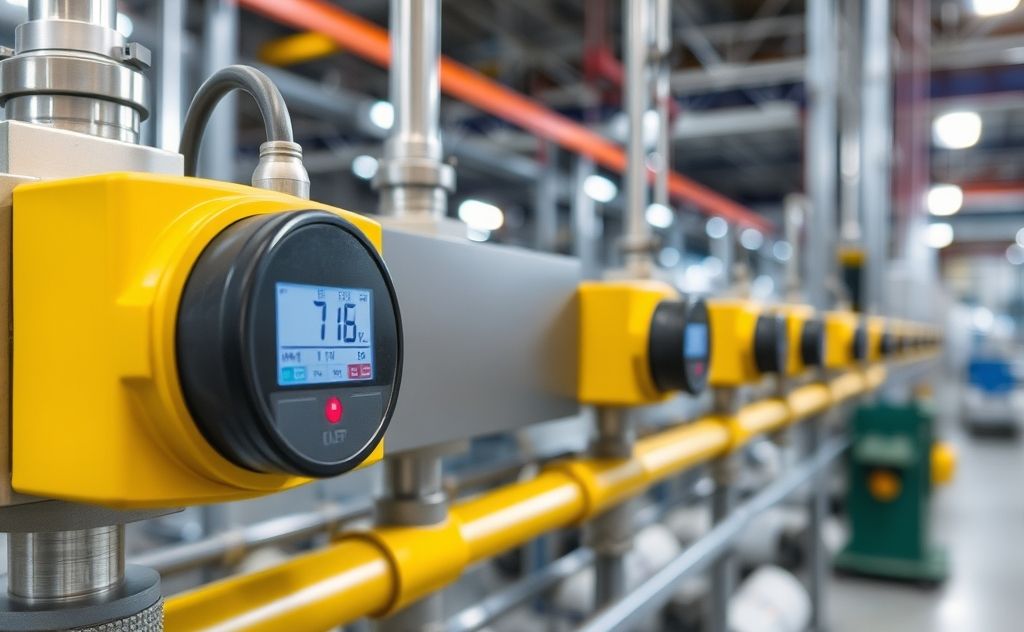
Why Temperature Monitoring Matters in Industry
A single degree of overheating can shorten equipment lifespan by 50%. Underheating may cause incomplete chemical reactions. Sensors provide the critical data needed to maintain perfect thermal conditions.
Consider these impacts of poor temperature control:
- Reduced product quality in pharmaceuticals
- Safety hazards in chemical plants
- Energy waste in HVAC systems
- Premature wear in mechanical systems
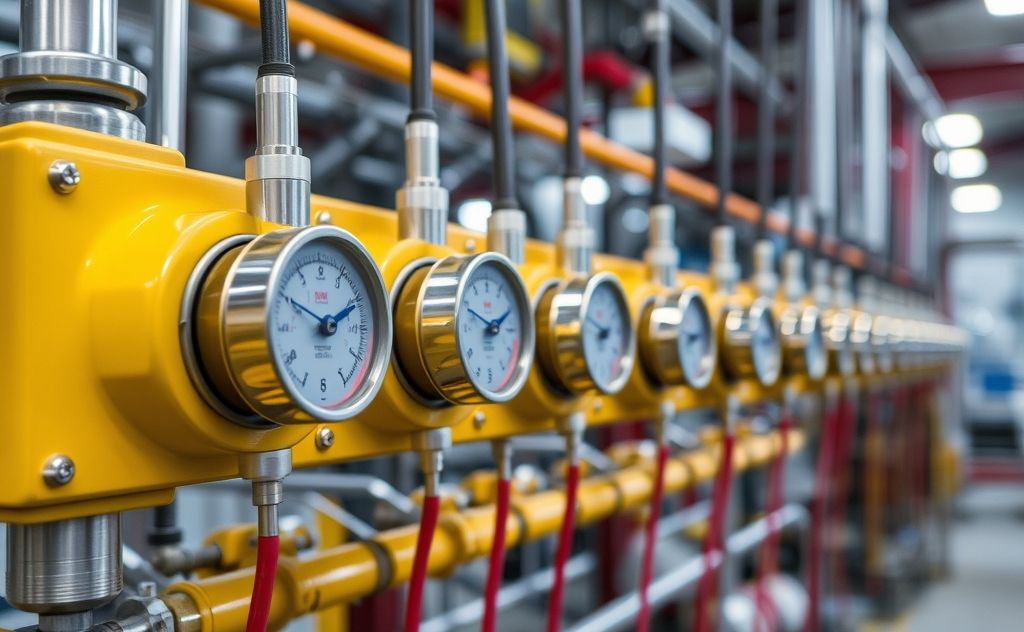
Types of Industrial Temperature Sensors
1. Thermocouples
These rugged sensors work in extreme conditions (-200°C to 1750°C). They generate voltage from joined dissimilar metals. Common in furnaces and engines.
2. RTDs (Resistance Temperature Detectors)
Platinum-based sensors offer ±0.1°C accuracy. Ideal for precise temperature control systems in labs and food processing.
3. Thermistors
Semiconductor devices that detect minute temperature changes. Perfect for medical equipment and battery monitoring.
4. Infrared Sensors
Non-contact measurement for moving parts or hazardous areas. Used in steel mills and power plants.
Key Applications in Industry
| Industry | Application | Sensor Type |
|---|---|---|
| Food Processing | Pasteurization control | RTD |
| Pharmaceuticals | Sterilization monitoring | Thermocouple |
| Oil & Gas | Pipeline monitoring | Infrared |
Advanced Sensor Features
Modern sensors like the Danfoss MBT 3560 combine measurement with built-in transmitters. This allows direct integration with control systems.
Critical Performance Factors:
- Response time under 5 seconds
- IP67+ moisture protection
- Vibration resistance to 50g
- EMI/RFI shielding
Installation Best Practices
Proper sensor placement affects accuracy. Follow these guidelines:
- Mount in representative temperature zones
- Ensure good thermal contact
- Shield from radiant heat sources
- Use appropriate thermal paste
For industrial heating systems, pair sensors with variable-speed blowers for precise climate control.
The Future of Temperature Sensing
Emerging technologies include wireless IoT sensors and AI-powered predictive analytics. These innovations will enable real-time adjustments and failure prediction before temperature excursions occur.
According to industry leaders, smart sensors will reduce energy use by up to 30% in process industries through optimized thermal management.
Related pick: Check today's price on Amazon

I am a mechanical engineer and love doing research on different home and outdoor heating options. When I am not working, I love spending time with my family and friends. I also enjoy blogging about my findings and helping others to find the best heating options for their needs.
Related guides

How To Prevent Overheating In Industrial Settings
You hear the bearing before you see the problem. A low rumble, then a squeal, then the smell…

Master Temperature Control in Industrial Processes
To integrate temperature control in processes, utilize sensors and automated systems to monitor and adjust temperature for optimal…

Top Challenges in Industrial Temperature Control and How to Fix Them
Walk into almost any plant and you'll find the same quiet problem: a process runs slightly hotter than…
