

To integrate temperature control in processes, utilize sensors and automated systems to monitor and adjust temperature for optimal performance and product quality.
Precise temperature control is critical for optimizing chemical reactions, manufacturing processes, and material properties. This guide explores advanced techniques for integrating temperature regulation into various applications.

Master-Bilt
Master-Bilt 19-13607 Temperature Control, Low Temperature
- Package Dimensions: 11.1" (L) x 8.0" (W) x 11.0" (H)
- Product Type: Food Service Supply
- Package Quantity: 1
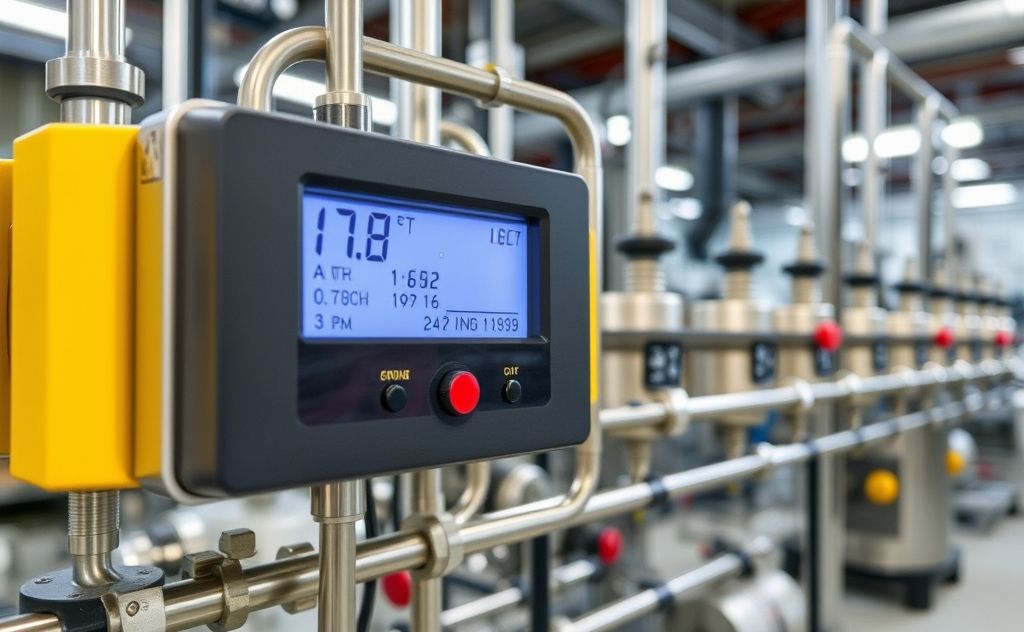
Microfluidic Temperature Control Systems
Microfluidic devices require exact thermal management for biochemical reactions like PCR. Researchers at SAMLAB and Delft University developed innovative methods using chemical processes:
- Endothermic cooling through controlled evaporation
- Exothermic heating via acid dissolution
- Flow contact positioning for localized thermal effects
These approaches enable precise thermal regulation in microchannels without external heating elements. For larger-scale applications, consider advanced thermostat controls.
ProcessMate Temperature Controllers
Nordson EFD’s ProcessMate systems solve common thermal challenges:
| Model | Temperature Range | Precision | Applications |
|---|---|---|---|
| ProcessMate 6500 | Ambient to 200°C | ±0.5°C | Solder pastes, adhesives |
| T10 Controller | Ambient to 200°C | ±0.1°C | Liquidyn jet valves |
These compact units eliminate the need for large machine enclosures while maintaining material viscosity and preventing degradation.
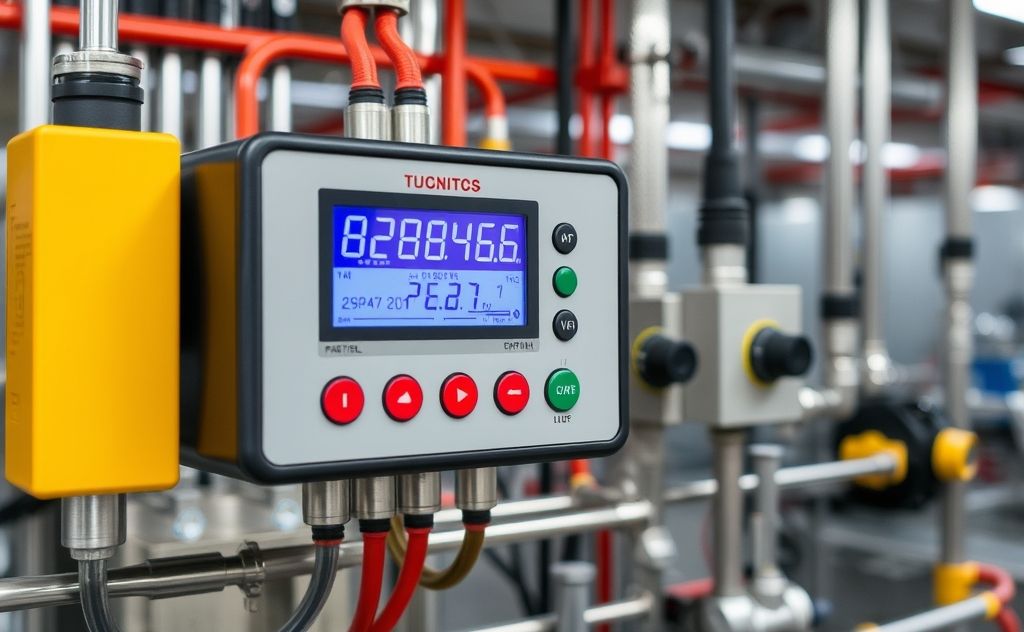
PID Control Fundamentals
The proportional-integral-derivative (PID) algorithm remains the gold standard for process temperature regulation. As explained in PID controller theory, this method combines three corrective actions:
PID Components
- Proportional: Immediate response to current error
- Integral: Correction for accumulated past errors
- Derivative: Anticipatory action based on error rate
Proper tuning of these parameters prevents overshoot and maintains stability. For specialized applications like pool heating, explore heat exchanger solutions.
Infrared Temperature Monitoring
Modern infrared sensors like the Thermalert 4.0 series offer non-contact measurement from -40°C to 2300°C. Key features include:
- Ambient temperature compensation
- Adjustable emissivity settings
- Industrial communication protocols (EtherNet/IP, PROFINET)
- Backward compatibility with legacy sensors
These systems provide real-time feedback for closed-loop temperature control in harsh environments where contact sensors would fail.
Implementation Strategies
Successful temperature integration requires:
System Design Considerations
- Thermal mass analysis of process components
- Proper sensor placement for representative measurements
- Adequate heating/cooling capacity with safety margins
- Redundancy for critical processes
Control Architecture
Modern implementations often use:
- Cascade control loops for complex systems
- Model predictive control for nonlinear processes
- Fuzzy logic for poorly defined systems
- Neural networks for adaptive learning
For small-scale applications, compact controllers provide plug-and-play solutions without extensive engineering.
Related pick: Check today's price on Amazon

I am a mechanical engineer and love doing research on different home and outdoor heating options. When I am not working, I love spending time with my family and friends. I also enjoy blogging about my findings and helping others to find the best heating options for their needs.
Related guides

Industrial Temperature Safety: Essential Protocols for Worker Protection
To ensure safety with industrial temperature, regularly monitor equipment, implement safety protocols, and provide employee training on temperature-related…
How Temperature Changes Impact Industrial Operations
The impact of temperature on industrial processes includes effects on machinery efficiency, material properties, and product quality, influencing…
How To Improve Temperature Stability In Factories
To improve temperature stability in factories, implement effective insulation, optimize HVAC systems, and utilize temperature monitoring technology for…
