You turn the knob. You hear a hiss. A ring of blue flame appears. That’s the moment most people stop wondering. But what is actually happening inside that burner? How does a little gas create enough heat to boil water in minutes or sear a steak?
Most cooks treat their gas stove like a black box. Turn it on, get heat. That’s fine until you wonder why your flame is orange, or why your food burns on one side, or why your outdoor burner runs out of gas faster than expected. Understanding the mechanics behind that flame gives you real control. You’ll cook better, spend less on gas, and know what to look for when buying a new burner.

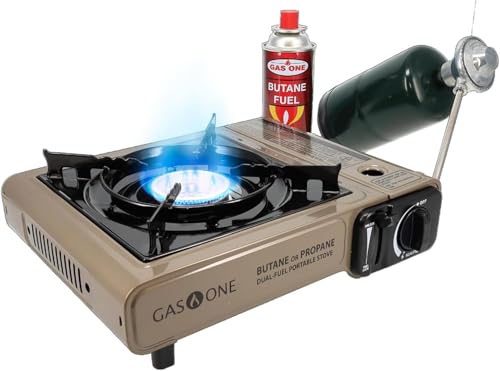
Gas One
GasOne High Pressure Single Propane Burner -…
- Designed for Outdoorsmen: Make your outdoor cooking sessions more enjoyable and cook like a pro with the Gas One outdoor burner pr…
- High-Output Propane Burner: This single burner propane stove features a high-output design that delivers a steady, continuous flam…
- Enhanced Heat Protection: Our propane stove burner is equipped with a top heat guard that protects against oil spillage and preven…
In this guide I’ll cover how gas combustion works, why flame color matters, what BTU ratings actually mean (spoiler: not what you think), and how to match your burner to the job. I’ll also point you toward portable options that use the same principles — like the GasOne High Pressure Single Propane Burner (B0CQ715KSS) — so you can take flame cooking with you outdoors.
That burner uses a high-output design with a cast iron head and a top heat guard that keeps oil spillage away from the hose connection. It’s a solid example of how the same gas-air mixing and pressure regulation works in a portable package. Now let’s get into the details you can actually use.
The Basic Physics of Gas Combustion – What Actually Happens Inside the Burner
A gas stove works by mixing fuel gas (natural gas or propane) with oxygen from the air, then igniting that mixture. The burner is designed to create the right ratio of gas to air so the flame burns clean and hot.
Inside the burner tube, gas flows from the supply line through a small opening called a jet or orifice. The jet accelerates the gas and pulls in air through adjustable vents — that’s the primary air intake. This mixture then travels to the burner ports, where it exits and meets a secondary flow of air from the room. A spark or standing pilot lights it.
The key number here is the air-to-fuel ratio. For natural gas, the ideal ratio is roughly 10 parts air to 1 part gas. For propane, it’s about 24:1. If there’s too little air, you get incomplete combustion — a yellow, sooty flame. Too much air, and the flame becomes unstable or lifts off the burner.
Stoves with adjustable air shutters let you fine-tune this ratio. Most home stoves are set at the factory and rarely need adjustment unless you change fuel types or your local gas pressure is unusual. If you’re interested in detailed tuning, check out this guide on optimize gas stove heat output — it covers the same mixer adjustments in more depth.
Why Blue Flames Are Better Than Yellow Flames – A Common Misconception
Many people think a yellow flame means the stove is working harder. It’s the opposite. A yellow flame is a sign of incomplete combustion. You’re wasting gas and producing carbon monoxide.
A clean blue flame means the gas is burning completely. The blue color comes from excited carbon molecules emitting light in the blue spectrum. The hotter the flame, the bluer it looks. A properly adjusted gas stove flame should have a sharp inner blue cone and a lighter blue outer envelope.
If you see persistent yellow tips, check for clogged burner ports, a dirty air shutter, or the wrong gas type (propane vs. natural gas). A yellow flame also deposits soot on your cookware — not dangerous in small amounts but annoying to clean. For outdoor burners like the GasOne propane unit, the high-output design and heat guard keep the flame consistent, but you should still inspect the ports periodically for debris.
The Myth of ‘More BTUs = Better’ – What BTU Ratings Really Tell You
Walk into any store and you’ll see BTUs thrown around like horsepower. 15,000 BTUs. 20,000 BTUs. But more BTUs don’t automatically mean faster boiling or better searing. The BTU rating is just the maximum heat output the burner can produce — it says nothing about how efficiently that heat transfers to your pot.
Efficiency depends on burner design, flame distribution, and the distance between the flame and the cookware. A burner that throws heat sideways will heat the handle of your pan faster than the food. A burner with a wide flame spread works better for large pots; a concentrated flame is best for woks.
The table below shows common BTU ranges and what they actually mean for real cooking:
| BTU Range | Typical Use | What You Get (and Don’t) |
|---|---|---|
| 5,000 – 8,000 | Low simmer, sauces, melting butter | Fine control, but won’t boil a large pot quickly |
| 9,000 – 12,000 | General cooking, boiling pasta, stir-fry | Good balance, most home stoves sit here |
| 13,000 – 18,000 | Searing, high-heat wok cooking, large pots | Fast heat but can scorch if you don’t watch it |
| 20,000+ | Outdoor burners, seafood boils, brewing | Extreme heat — needs a heavy pot and constant attention |
That GasOne burner I mentioned earlier delivers around 20,000 BTU — solid for outdoor boiling or stir-fry. But if you try to simmer soup on it, you’ll find the lowest setting is still vigorous. That’s by design. Outdoor burners trade fine control for raw power. Pick the tool for the job.
Matching Burner Output to Your Cooking Task – Practical Advice
So how do you choose the right setting? Start by thinking about what you’re cooking. A thin fish fillet doesn’t need the same heat as a tri-tip sear. A cast iron skillet retains heat differently than a thin stainless pan.
Here’s a simple rule: for boiling or searing, use high heat and preheat the pan. For simmering, bring to a boil first, then lower the flame until you see just a few small bubbles breaking the surface. Most stoves have a sweet spot around the 20–30% knob position where the flame is stable but low. If your stove doesn’t maintain that, clean the burner caps or check the gas pressure — both affect low-end performance.
For outdoor cooking with propane, altitude matters. At 5,000 feet, the air is thinner. The same propane burner will run leaner (more air relative to gas), so you may need to adjust the air shutter for a blue flame. Many portable burners have a small screw near the gas inlet for this. If you’re planning a high-altitude camping trip, it’s worth testing your burner beforehand.
Regular maintenance keeps your stove working efficiently. The burner ports can clog with food debris, grease, or rust. A paper clip or nozzle cleaner works well for cleaning them. For more detailed steps, see this guide on maintain gas stove burners. And if you’re shopping for a new stove (indoor or outdoor), understanding burner size relative to your space helps — choose the right gas stove size based on your typical cookware.
Frequently Asked Questions About Gas Stoves
Why is my gas flame orange instead of blue?
Orange or yellow flames mean incomplete combustion. Common causes: dirty burner ports, too little primary air (adjust the shutter), or moisture in the gas line. Start by cleaning the burner. If that doesn’t fix it, check the air adjustment. If you smell gas or see black soot, stop using the stove and call a professional.
Can I use a gas stove during a power outage?
Most modern gas stoves with electronic ignition will not work without electricity. The igniter and safety valves need power. However, older stoves with standing pilot lights can still be lit with a match if the gas supply is on. Check your manual. For outdoor propane burners like the GasOne, they use a manual ignition or battery sparker, so power outages don’t affect them at all.
Is it safe to leave a gas stove on low overnight?
No. Even a low flame consumes oxygen and produces combustion byproducts. There’s also a risk of the flame being blown out by a draft, allowing gas to leak. Never leave a gas stove unattended for hours. Use a slow cooker or an electric warming tray if you need long, unattended cooking.
How do I clean the burner ports?
Remove the burner cap and grate. Use a stiff brush to remove debris. For clogged ports, insert a pin or paper clip gently — do not enlarge the holes. For sealed burners, wipe the surface and use a compressed air duster. For outdoor burners, check the heat guard and shield for grease buildup; the GasOne model’s top guard helps prevent oil from reaching the ports, but regular cleaning still matters.
Does altitude affect how my gas stove works?
Yes. At higher altitudes, air is less dense. Your stove gets more air relative to the same amount of gas, making the flame leaner. The flame may turn yellow or lift. You need to adjust the air shutter to reduce air intake. Many outdoor propane burners have a simple screw adjustment. If you live above 3,000 feet, check your stove’s manual for altitude instructions.
What You Can Actually Do With This Information
- Check your flame color tonight. Blue is efficient, yellow means a tune-up is needed.
- Match BTU output to your real cooking tasks — high for searing, low for simmering, and know that more BTUs aren’t always better if the flame doesn’t hit your pan.
- Clean your burner ports monthly if you cook often. A paper clip and five minutes can restore lost performance.
- If you use an outdoor propane burner like the GasOne, keep the heat guard and shield clean to prevent flare-ups and protect the hose connection.
- Adjust your air shutter when you change fuel types or move to a higher altitude. It takes 30 seconds and fixes most flame problems.
- For serious cooking, consider buying a burner with a wide flame spread (not just high BTU) for even heat distribution.
- Never leave a gas stove burning unattended. The flame is beautiful, but it’s still fire.

I am a mechanical engineer and love doing research on different home and outdoor heating options. When I am not working, I love spending time with my family and friends. I also enjoy blogging about my findings and helping others to find the best heating options for their needs.
Related guides
How To Fix Common Gas Stove Problems Fast
You walk into the kitchen, twist the knob, and hear that familiar clicking — but no flame. Or…
Gas Fireplace Design Ideas and Installation Options
Choosing a gas fireplace is more than picking a heat source. It's a major design decision that shapes…

Sealed Gas Burner Benefits: Why They Outperform Open Burners
Sealed gas burners provide improved efficiency, easier cleaning, enhanced safety, and better temperature control for precise cooking on…