

Gas pool heaters work by burning natural gas or propane to heat water, which is then circulated through the pool, maintaining a desired temperature efficiently.
Gas pool heaters remain the most popular choice for heating swimming pools across America. These powerful systems can quickly raise water temperatures regardless of outdoor conditions, making them ideal for both seasonal and year-round pool use. But how exactly do they transform fuel into warm, inviting pool water?

Hayward
Hayward H-Series Natural Gas Pool Heater for…
- EASY TO USE: Intuitive inground pool heater control panel enables easy operation and maintenance. The digital LED display helps ma…
- MULTIPLE COVERAGE OPTIONS FOR POOLS AND SPAS: This gas pool heater and pool and spa heater suits in-ground pools and spas up to 75…
- ENERGY SAVING AND BUILT TO LAST: Efficiently designed pool heater for inground pools helps deliver consistent hot water for swimmi…
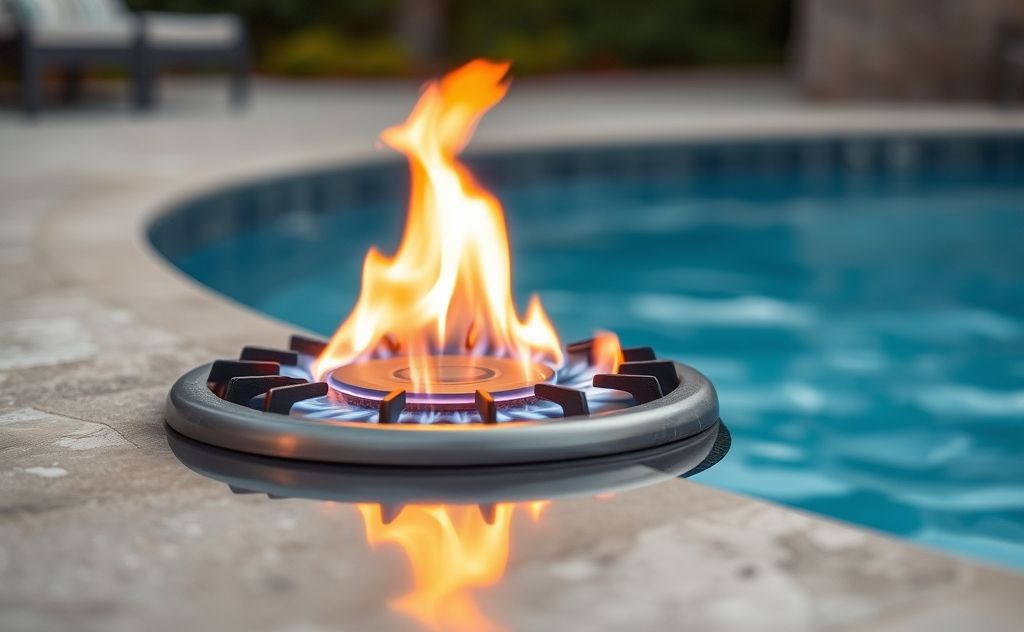
The Science Behind Gas Pool Heaters
Gas pool heaters operate on a simple but effective principle: combustion creates heat that transfers to water. Here’s the step-by-step process:
- Pool water circulates through the filtration system
- Filtered water enters the heater’s combustion chamber
- Natural gas or propane burns at temperatures exceeding 1,400°F
- Heat exchangers transfer thermal energy to the water
- Warmed water returns to the pool at 3-5°F higher temperature
This cycle continues until the pool reaches the desired temperature, typically between 78-82°F for comfortable swimming.
Key Components That Make It Work
1. Combustion Chamber
The heart of the system where gas burns efficiently. Modern models like the Jandy pool heater feature advanced burner designs for complete fuel combustion.
2. Heat Exchanger
Typically made of cupro-nickel or titanium, these coils maximize heat transfer while resisting corrosion. The Hayward H250 heat exchanger is a popular high-performance example.
3. Control System
Modern digital controls like those found in Sta-Rite heaters precisely regulate temperature and monitor system performance.
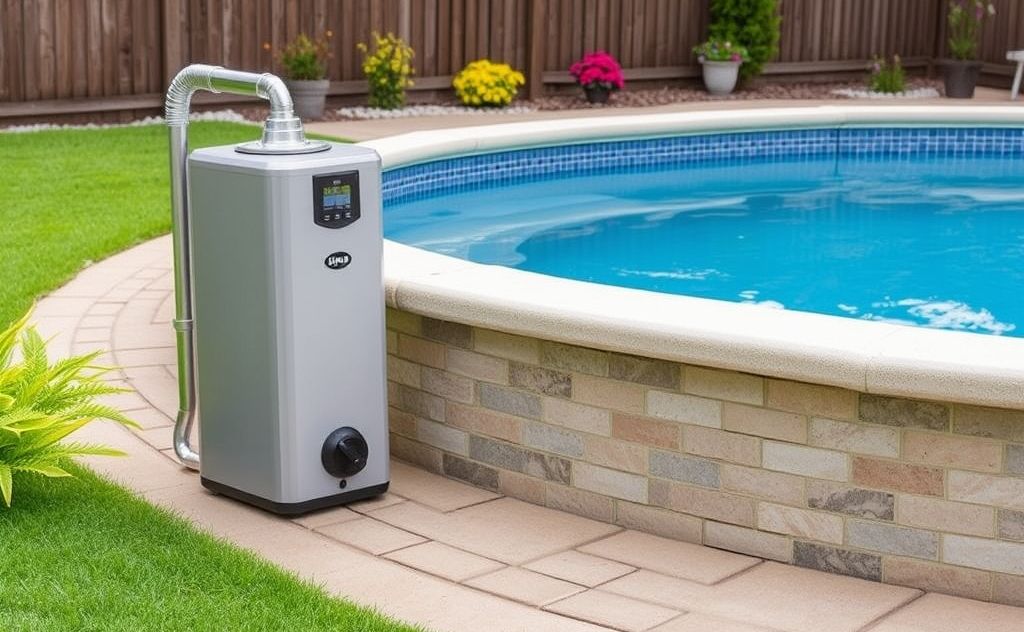
Gas vs Electric: Which Heater Wins?
| Feature | Gas Heater | Electric Heat Pump |
|---|---|---|
| Heating Speed | 2-3°F per hour | 1°F per hour |
| Operating Cost | Higher | Lower |
| Climate Dependence | Works in all temps | Fails below 50°F |
| Lifespan | 5-8 years | 10-15 years |
According to the U.S. Department of Energy, gas heaters maintain their heating capacity regardless of air temperature, while heat pump efficiency drops sharply in cold weather.
Sizing Your Gas Pool Heater
Proper sizing is crucial for efficiency and performance. The basic calculation considers:
- Pool surface area (length × width)
- Desired temperature increase
- Average wind speed
- Humidity levels
- Nighttime temperatures
For most residential pools, heaters between 250,000-400,000 BTU provide adequate heating. The 250,000 BTU models work well for average-sized pools up to 20,000 gallons.
Real-World Example
A 16’x32′ pool (512 sq ft) in Chicago needing to raise temperature 20°F would require:
512 sq ft × 10 (temp rise factor) × 1.5 (wind correction) = 76,800 BTU/hour
In this case, an 80,000 BTU heater would be the minimum recommended size.
Maximizing Efficiency and Savings
Modern gas pool heaters achieve 89-95% efficiency, a significant improvement over older 55% efficient models. To calculate potential savings:
Annual Cost × [1 – (Current Efficiency ÷ New Efficiency)]
Example: $1,000/year × [1 – (55 ÷ 95)] = $421 annual savings
Additional efficiency tips:
- Install a pool cover to reduce heat loss
- Maintain proper water chemistry to prevent scale buildup
- Schedule annual professional maintenance
- Consider a solar blanket for supplemental heating
As noted by pool experts at Shoreline Pools, proper maintenance can extend heater lifespan by 2-3 years while maintaining peak efficiency.
When to Choose a Gas Pool Heater
Gas heaters excel in these situations:
- You need fast heating (for parties or weekend use)
- You live in a cooler climate with short swimming seasons
- Your pool isn’t used daily
- You want temperature control regardless of weather
For year-round warm climate pools used frequently, heat pumps or solar heaters may be more cost-effective long-term solutions.
Related pick: Check today's price on Amazon

I am a mechanical engineer and love doing research on different home and outdoor heating options. When I am not working, I love spending time with my family and friends. I also enjoy blogging about my findings and helping others to find the best heating options for their needs.
Related guides

Mr. Heater Buddy Review: The Ultimate Portable Heat Solution
Mr. Heater Buddy Heaters are highly regarded for their portability, efficiency, and safety features, making them excellent choices…
Top 7 Benefits of Gas Furnaces for Home Heating
Gas furnaces offer efficient heating, lower operational costs, and quick temperature control, making them a reliable choice for…
Gas Space Heater Pilot Lights: How They Work & Safety Tips
The pilot light in gas space heaters is a small flame that ignites the gas to heat the…
