Highest Rated Gas Water Heater About 12 Cents an Hour to Run
On this page 7 sections
- Highest Rated Gas Water Heaters for Efficiency and Reliability
- How Tankless Gas Water Heaters Deliver On-Demand Hot Water
- Installation Factors Affecting Gas Water Heater Costs and Performance
- Warranty Length and Coverage Impact on Gas Water Heater Choice
- Anode Rod Type and Water Pressure Effects on Heater Longevity
- When to Replace Your Gas Water Heater
- Frequently Asked Questions
Choosing the right gas water heater means balancing upfront cost with long-term savings and reliability. Many buyers focus on brand reputation but overlook installation and maintenance factors that affect overall value.
This article breaks down how gas water heaters work, compares the top models by efficiency and reliability, and explains what to watch for in warranties and service support.
Highest Rated Gas Water Heaters for Efficiency and Reliability

The highest rated gas water heaters combine strong energy efficiency with proven reliability over many years. Brands like Bradford White, Rheem, and Ruud lead the pack by balancing uniform energy factors (UEF) near 0.7 to 0.82 with solid user-reported failure rates and practical warranty coverage.
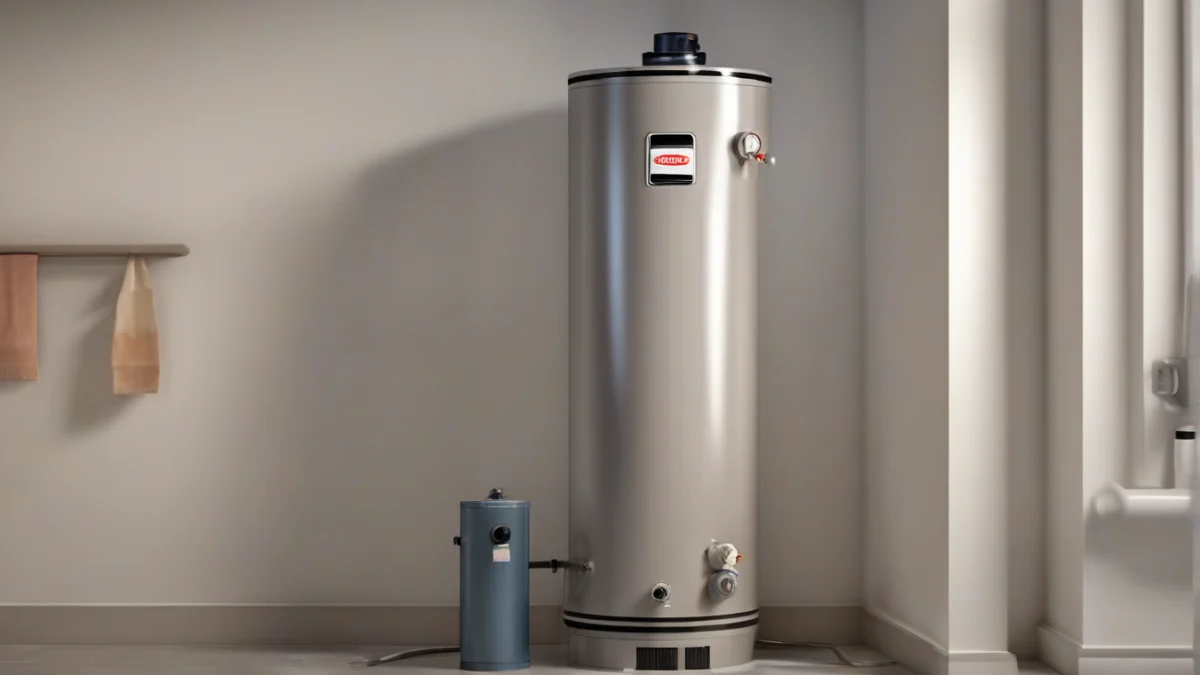
Gas water heaters split into two main types: storage tank models that keep a reservoir of hot water ready, and tankless (or on-demand) units that heat water as you need it. Storage tanks typically range from 30 to 80 gallons and suit households with steady hot water needs, while tankless models deliver continuous hot water efficiently for larger or variable demand homes.
| Brand and Model | Type | UEF Range | Reported Reliability | Warranty Highlights |
|---|---|---|---|---|
| Bradford White (storage tank) | Storage Tank | 0.62 to 0.67 | High reliability; low failure rates over 10 years | Standard 6-year tank and parts; some models offer extended coverage |
| Rheem RTG Series (tankless) | Tankless | Up to 0.82 | Good reliability; some service parts common | Non pro-rated 12-year heat exchanger; 5-year parts |
| Ruud (storage tank) | Storage Tank | 0.61 to 0.65 | Moderate reliability; average service life | 6-year tank and parts coverage |
Bradford White earns a strong reputation for reliability, but no brand is bulletproof: even they have reports of occasional issues. Rheem’s RTG tankless line stands out for efficiency, reaching a UEF of 0.82, saving up to 34% on energy compared to typical electric tanks, thanks to its advanced heat exchanger and on-demand design. Ruud fits in as a mid-tier option with dependable performance and competitive price points.
Choosing the right size is crucial. A 50-gallon storage tank usually fits families of three to four, providing enough hot water without excessive standby heat loss. Tankless models like Rheem’s RTG Series, rated at 7.0 gallons per minute, handle multiple simultaneous showers and appliances without running out of hot water—ideal for larger households or those wanting to save floor space.
Warranty terms vary but often indicate confidence in durability. Full, non pro-rated warranties covering the tank and key components for 6 to 12 years are common among highest rated models. Rheem’s 12-year heat exchanger warranty on its tankless units is a notable benefit, reflecting expected lifespan and repair costs. Always check what the warranty covers and local plumber availability for service support.

How Tankless Gas Water Heaters Deliver On-Demand Hot Water
The highest rated tankless gas water heaters provide hot water instantly by heating only what you need, when you need it. This on-demand approach uses a heat exchanger inside the unit, where cold water flows through a coil heated by a gas burner. The water heats rapidly as it passes through, delivering continuous hot water without storing it. Popular models like the Rheem RTG Series excel here, offering 7.0 gallons per minute (GPM) at a 35°F temperature rise, enough for 2–3 simultaneous showers in most homes.
Tankless models achieve energy savings by avoiding standby heat loss that storage tanks suffer. To illustrate, a 50-gallon gas storage tank heater rated at 0.62 Uniform Energy Factor (UEF) typically uses about 15,000 BTU per hour to keep water hot all day. A tankless system with a 0.82 UEF only fires the burner during actual water use. If your household uses 60 gallons per day, that might mean 1.75 hours of burner operation versus 24 hours for a tank. The difference can cut gas consumption by roughly 30%, translating to about $10–$15 less on monthly bills at typical natural gas prices.
Installation of tankless gas water heaters is more complex than storage tanks. They require a larger gas supply line and high-capacity venting because of the intense burner output. Many models need direct venting outdoors with sealed combustion chambers, which can raise the installation cost by $500–$1,000 over traditional tank systems. Also, electrical power is usually required for controls and ignition, so older homes may need electrical upgrades.
Running costs vary with household size and hot water demand. A tankless water heater rated for 7.0 GPM suits families of three to five, handling 2–3 water outlets at once without dropping temperature. Smaller units at 3.5 to 5 GPM fit one- or two-person homes or point-of-use applications. Because tankless units heat water only on demand, fuel savings grow with lower consumption. However, in very large homes with high simultaneous demand, multiple units or larger models may be necessary to avoid flow rate shortfalls.
| Feature | Typical Value |
|---|---|
| Flow Rate | 3.5 to 9.5 GPM |
| Energy Factor (UEF) | 0.80 to 0.95 |
| Gas Input Rate | 120,000 to 199,000 BTU/hr |
| Installation Cost | significantly more than a standard tank model |
| Lifespan | 20+ years with maintenance |
Installation Factors Affecting Gas Water Heater Costs and Performance
Installing the highest rated gas water heaters typically costs between $800 and $2,500, depending on the unit type and complexity. Tank models generally run cheaper to install than tankless units due to simpler venting and no need for electrical upgrades.
Tank water heaters require standard gas and water connections and venting for combustion gases. Tankless heaters need bigger gas lines and often a dedicated 120 V circuit since their ignition and controls rely on electricity. If your home’s panel lacks capacity, an electrical upgrade might add several hundred dollars.
Proper venting is critical for safety and efficiency. Most storage tanks use atmospheric venting through a chimney, while tankless models demand direct-venting with sealed combustion to avoid carbon monoxide buildup. Choosing a heater compatible with your home’s existing venting can save thousands.
Local plumber experience affects brand choice. Some brands require certified installers or have complex setup steps, which can limit options if your area has few pros familiar with them. Bradford White and Rheem enjoy wide service networks, making repairs and maintenance smoother.
 Water Heater Owner's ToolkitFix the common faults yourself, keep it running for years, and know when a repair is money wasted.No-hot-water flowcharts, gas and electricFlush, anode, relief valve and descaling stepsRepair-or-replace calculator (Excel)
Warranty Length and Coverage Impact on Gas Water Heater Choice
Warranty terms for gas water heaters usually run from 6 to 12 years, but not all coverage is equal. The highest rated models often come with a full, non pro-rated warranty covering parts and labor for the entire period, making repairs less costly.
Non pro-rated warranties pay the full repair or replacement cost regardless of the heater’s age within the warranty term. Prorated warranties reduce coverage as the unit ages, meaning you pay more out of pocket after the first few years.
Typical coverage includes the tank, heat exchanger, and key components like the thermostat and gas valve. Some warranties exclude labor or require authorized service visits, which can add cost and inconvenience.
A long, comprehensive warranty shows the manufacturer expects the product to last and often means better build quality. Warranty service quality varies; some brands handle repairs quickly and smoothly, while others may be slower or more restrictive.
Anode Rod Type and Water Pressure Effects on Heater Longevity
Anode rods protect your gas water heater tank from corrosion by attracting corrosive elements in the water. A magnesium anode rod is generally preferred to an aluminum one because magnesium corrodes faster, sacrificing itself to extend the tank’s life more effectively.
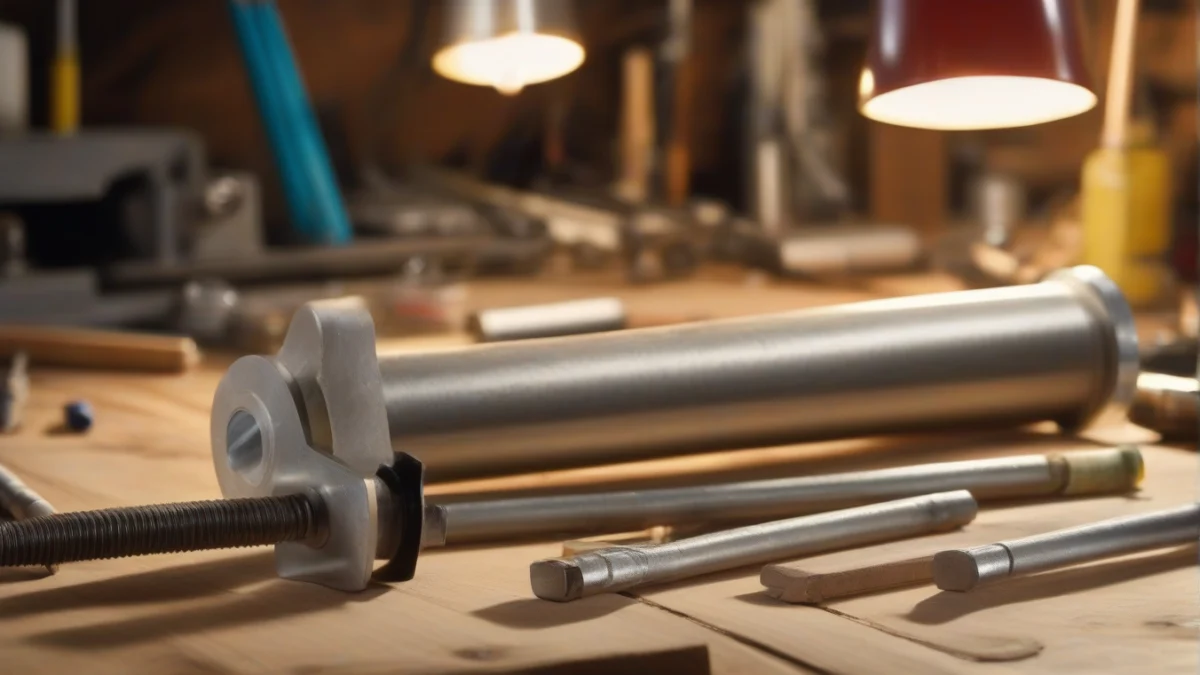
The anode rod acts as a ‘sacrificial metal’ inside the tank. As it corrodes, it prevents the steel tank from rusting. If the rod is depleted, the tank steel begins to corrode, leading to leaks and early failure. Checking the rod every 2 to 3 years is essential maintenance.
Water pressure affects your heater’s lifespan. Most models operate best between 40 and 60 psi. Pressures over 80 psi strain the tank and plumbing, raising leak risks. Lower pressure under 40 psi cuts flow and can reduce heating efficiency.
Maintaining water pressure within this range reduces strain on the tank and valves. If your home pressure is too high, installing a pressure regulator can protect the heater. Conversely, low pressure may indicate plumbing issues that need fixing for consistent hot water delivery.
When to Replace Your Gas Water Heater
Gas water heater reliability often lasts 8 to 12 years, depending on maintenance and water quality. Waiting until failure risks leaks that can cause flooding and costly damage.
Common failure modes include tank corrosion, valve failure, and pilot light or thermostat issues. A leaking tank is almost always a sign that replacement is due rather than repair.
Replacing your water heater before failure avoids emergency service rates and water damage repairs. Newer models also offer better energy efficiency, cutting monthly utility bills.
Signs that replacement is due include rusty water, inconsistent hot water, rumbling noises inside the tank, and leaks around the base. A tank older than 10 years with any of these symptoms should be seriously considered for replacement.
Consider your local plumber’s availability and warranty coverage when planning replacement. Booking ahead in the off-season usually means better service and lower installation costs.
Given gas water heater reliability over 10+ years varies widely, proactive replacement based on these signs is a safer, more cost-effective strategy than reacting to a breakdown.