A pool loses most of its heat from evaporation, so anything that blocks wind and water loss usually beats a fancy heater on a bad spring day. The trick is matching the method to your climate, your budget, and how fast you want the water to climb.
If you want the pool warm without running a compressor or electric element, the answer is usually solar first, fuel next, and wind only if you already have a system designed for it.
Pool Without Electricity: What Works Best
Yes, you can heat a pool without electricity, and several practical methods make it possible. The best choice depends heavily on your climate and how much you want to raise the water temperature.
Heating your pool without grid power means relying on either passive solar methods or fuel-burning heaters that don’t require electric pumps or controls. Passive solar options include solar pool covers, liquid solar covers, and solar rings. Each works by reducing heat loss and trapping sunlight to warm the water naturally. For example, a solar pool cover acts like a floating blanket that cuts evaporation—the main cause of heat loss—and absorbs the sun’s rays, transferring warmth directly to the water below.
Liquid solar covers spread a thin, invisible layer on the surface to reduce evaporation similarly but without a physical blanket. Solar rings float individually and concentrate heat where they cover the surface, though they’re less effective than full covers.
Active heating without electricity uses combustion. Wood-fired heaters burn logs to generate heat, which is transferred via water circulation without electric pumps if designed properly. Propane heaters also burn fuel to heat water quickly and are a popular choice because they work on demand without sunlight, though they require fuel storage and ventilation.
Wind-powered pool heaters use turbine-generated electricity to power a heater, but these systems are niche, costly, and rarely available commercially in the US. Most homeowners find them impractical compared to solar or fuel-based options.
In realistic terms, homeowners mainly choose between solar covers and fuel-powered heaters. Solar covers work well in sunny, mild climates and require minimal maintenance, while fuel heaters provide reliable heat regardless of weather but at higher operational cost and complexity.
| Method | Power Source | Heating Speed | Typical Running Cost | Best Use Case |
|---|---|---|---|---|
| Solar Pool Cover | Sunlight (passive) | Slow to moderate | Very low | Warm climates with good sun exposure |
| Liquid Solar Cover | Sunlight (passive) | Slow | Very low | Mild climates or supplemental use |
| Solar Rings | Sunlight (passive) | Slow | Very low | Small pools or spot heating |
| Wood-Fired Heater | Wood combustion | Moderate to fast | Moderate (wood cost) | Off-grid or rural settings |
| Propane Heater | Propane combustion | Fast | High (fuel cost) | Quick heating or colder climates |
| Wind-Powered Heater | Wind turbine electricity | Variable | Moderate to high | Specialty setups, experimental use |
Use Solar Covers First
Solar covers are the easiest and cheapest way to heat your pool without electricity, trapping heat during the day and cutting evaporation that cools the water at night.

Most people underestimate how much heat a solar cover saves overnight. Evaporation can cool a pool by several degrees, especially if it’s windy. A cover acts like a blanket, stopping water from escaping into the air and holding onto the sun’s warmth. This effect often outperforms small, non-electric heaters.
How effective are solar covers compared to electric heat pumps? Heat pumps can raise pool temperature actively but need electricity and work best above 50°F air temperature. Solar covers don’t add heat but prevent losses, making them a great first step if you want to avoid electric costs entirely.
For outdoor stone pools, cheap non-electric fire heating options exist but require careful monitoring for safety and proper ventilation. Wood burning can provide direct heat, but it’s labor-intensive and less controlled than solar covers.
Solar rings and liquid solar covers are partial alternatives. Solar rings float individually, covering less surface area, so they don’t stop evaporation as well as full covers. Liquid solar covers form a thin invisible film that reduces evaporation and heat loss for several months but are less effective than physical covers and won’t replace them.
Solar covers work best if you swim daily or every few days. They keep the pool ready without extra heating. If you only heat for parties or occasional use, the slow heat buildup means covers alone won’t warm the water quickly enough.
To sum up, start with a solar pool cover as your first line of defense against heat loss. They save more heat overnight than you might expect and cost far less than electric heaters or fuel-burning options. For more active heating, consider other methods after maximizing cover use.
If you want to explore solar heating systems that actively warm your pool, check out our guide to solar pool heaters for more.
Compare Heat Speed And Cost
Different no-electric pool heating methods vary widely in how fast they warm water and how much they cost to run. Solar covers, liquid solar covers, and solar rings rely entirely on sunlight and air temperature, so they heat slowly—typically raising pool temperature by 2 to 5°F over several days. Combustion heaters like wood-fired or propane models deliver heat much faster, often warming a pool by 10°F in a few hours, but they cost more to operate and require fuel.
Wind-powered pool heaters exist but remain niche in the US market, with limited commercial availability and uncertain reliability. They capture wind energy to generate heat, but you should consider them experimental rather than standard.
| Heating Method | Typical Heating Speed | Running Cost Tendency | Notes |
|---|---|---|---|
| Solar Pool Cover | 2–5°F in several days | Very low | Depends on sun and ambient air temperature |
| Liquid Solar Cover | Similar to solar covers | Very low | Creates a thin film to reduce evaporation |
| Solar Rings | Similar to solar covers | Very low | Easier to deploy but less coverage |
| Wood-Fired Heater | 10°F in a few hours | Moderate to high | Requires manual fueling and ventilation |
| Propane Heater | Up to 10°F in 1–3 hours | High | Fast heat but fuel cost adds up |
| Wind-Powered Heater | Variable, niche tech | Unknown | Limited US availability |
Electric heat pumps provide efficient heating but only work well when air temperature stays above about 50°F. They deliver steady warmth using electricity and are not an option for no-electric setups, but it’s useful to know this limit when comparing performance.
If your goal is to raise pool temperature by a few degrees over several days, solar-based methods make the most sense. They cost little, require no fuel, and work quietly. For a fast warm-up over a weekend, fuel-fired heating like propane or wood will get you there quicker but at a higher running cost and more maintenance.
Heat A Pool Safely With Fuel
You can heat a pool without electricity using fuel-fired heaters like wood-burning or propane units, but these are combustion appliances that demand careful handling and safety measures.
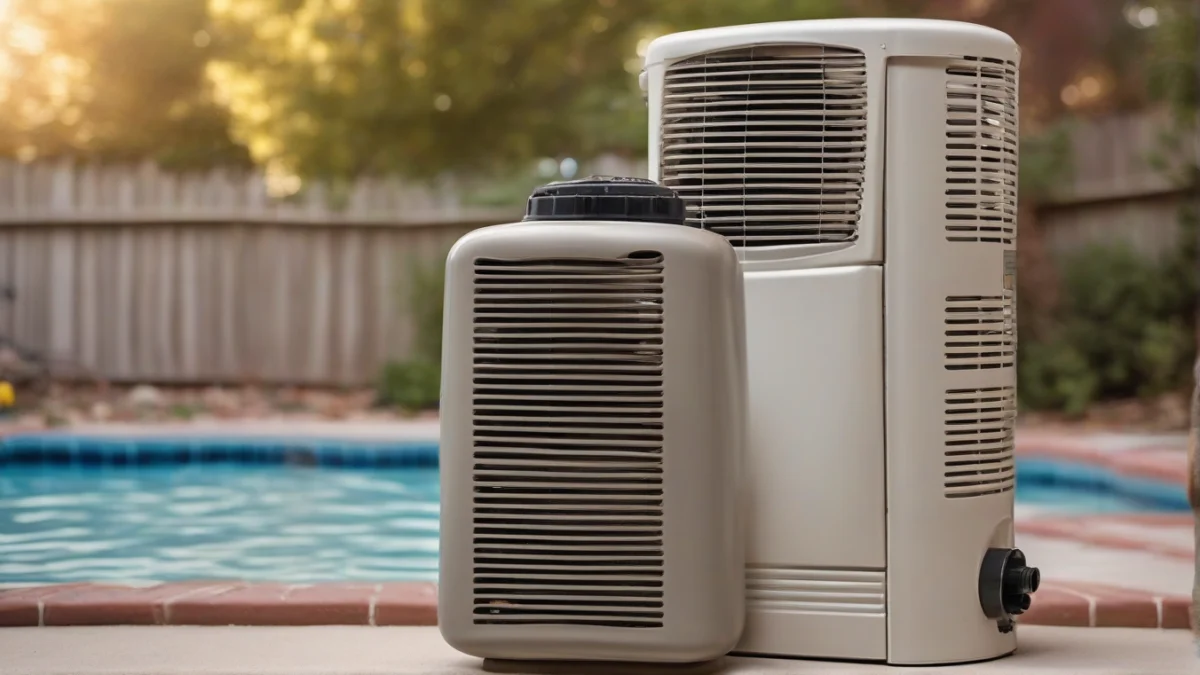
Wood-fired heaters and propane pool heaters generate heat by burning fuel directly, making them independent of the grid. This means you don’t need electric power to run pumps or heat exchangers, but combustion creates risks you must not ignore.
Indoor-rated fuel heaters include safety features like sealed combustion chambers and oxygen depletion sensors, but outdoor models lack these protections and should never be used inside or near enclosed swimming spaces. Pools are wet environments with people nearby, making open flames or unvented combustion especially dangerous.
Fuel cost is another consideration. Dry firewood and propane can be expensive to burn continuously, especially through long cold spells. Wood requires storage, regular loading, and ash cleanup, while propane tanks must be refilled and stored safely away from the pool.
For a stone outdoor pool, cheap non-electric fire heating options include a wood stove or a camp-style propane heater placed safely at a distance with a heat exchanger or water jacket. These can warm the water but need a design that keeps flames and combustion gases far from swimmers.
Can a pool be heated adequately without any electricity? Yes, but only if you accept slower heat-up times and commit to the fuel usage and safety protocols required by combustion heating.
Fuel-fired heaters demand more attention and care than electric heat pumps or solar covers. Planning for clearances and ventilation, keeping fuel dry and secure, and monitoring for carbon monoxide are non-negotiable steps to keep your pool heating safe and effective.
Install Electric Pool Wiring The Right Way
Permanent electrical wiring for pool pumps must meet strict code requirements to protect you from shock and fire risks. It’s not just about plugging in a pump; the wiring needs a dedicated circuit, GFCI protection, and proper installation.
The National Electrical Code mandates that all pool pump circuits have ground fault circuit interrupter (GFCI) protection. This device trips the power quickly if it detects current leakage, preventing dangerous shocks in wet conditions.
Extension cords sometimes serve as a quick fix to power a pool pump, but they should only be temporary. They lack the durability and safety features needed for constant use near water and can lead to overheating or accidental damage.
Above ground pools have similar wiring requirements as inground pools. The pump and heater wiring must be on a dedicated circuit, use approved outdoor-rated wiring methods such as conduit or direct burial cable, and be GFCI protected.
The safest way to manage small electric loads like a pool pump or a low-wattage heater is to have licensed electricians install the circuit once. This includes proper bonding and grounding, conduit or burial depth per code, and a GFCI breaker or receptacle.
Trying to shortcut pool electrical wiring risks injury and code violations. A correct setup is safer and lasts longer, making it the only dependable choice for supporting any electric pool heating or circulation system.
Choose The Right Method For Your Climate
Solar covers and passive solar add-ons work best in sunny, low-wind climates where they can trap and build heat efficiently. Their effectiveness drops in cloudy, cool, or windy areas where active heating methods may be necessary.
Solar covers reduce heat loss but depend on sunlight to warm the pool. They slow down on cloudy days and offer no heat at night, so climate and weather patterns matter more than pool size alone in deciding how well they’ll work.
| Climate | Recommended Heating Method |
|---|---|
| Sunny, mild winters | Solar pool cover plus passive solar add-ons |
| Cloudy or cool regions | Fuel-fired heaters or electric heat pumps if electricity is acceptable |
| Windy locations | Consider fuel heaters or well-insulated covers with supplemental heat |
Electric heat pumps sized for a 20,000-gallon pool typically range from 50,000 to 100,000 BTU output, depending on desired temperature rise and season length. Proper sizing is vital but beyond the scope here; focus on cost-effective non-electric solutions first.
How often you use the pool also shapes your choice. Daily swimmers should invest in a high-quality solar cover to maintain warmth continuously. Occasional users may combine a cover with a fuel heater to quickly boost water temperature only when needed.
If you want a step-by-step product path for solar heating, see our buying guide on solar pool heaterssolar pool heaters for detailed options and installation advice.
Frequently Asked Questions
How effective are solar covers compared to electric heat pumps?
Can a pool be adequately heated without any electricity?
What are the electrical code requirements for pool pump wiring?
How long does it take for different heating methods to raise pool temperature?

I am a mechanical engineer and love doing research on different home and outdoor heating options. When I am not working, I love spending time with my family and friends. I also enjoy blogging about my findings and helping others to find the best heating options for their needs.
Related guides

Heated Shawl Benefits, Costs, and Safety Explained
Heated shawls warm you directly with adjustable heat, powered by batteries or USB, offering comfort with safety features…

Electric Heaters: The Smart Choice for Energy Efficiency
You come home, the house is cold, and every degree you add to the thermostat feels like burning…

Infrared Heating: What It Costs To Run
Infrared heating warms people and objects directly, so it feels fast in the room you’re in and wastes…