

Electric fireplaces create the look of fire without combustion. Instead of burning wood or gas, they use electric-powered flame simulations that can be surprisingly realistic.
Understanding what produces these flames, how the heat is generated, and what safety features matter can help you choose and use an electric fireplace wisely this winter.
Electric Fireplaces Use Simulated Flames, Not Real Fire
Electric fireplaces do not produce real flames; instead, they create the illusion of fire using LED lights, mirrors, and projection technology. They don’t burn fuel or generate combustion flames, so what you see is a simulation designed for safety and convenience.

The flame effect in an electric fireplace is made by LEDs flickering behind reflective surfaces that bounce the light around to mimic the moving glow of a real fire. Some models step this up with 3D holographic flames that add depth and motion, and let you adjust flame colors, brightness, and flicker speed to suit your mood.
Sound effects like crackling wood are optional and enhance the flame illusion. The heat comes from electric heating elements—ceramic, infrared, or coils—not the flame effect itself. Since no combustion occurs, venting, chimneys, or exhaust systems aren’t necessary.
Electric Fireplace Flames Use Advanced Simulation Technology
The most realistic electric fireplaces use advanced LED flame technology that goes beyond a simple flicker to multi-layer 3D effects. This technology combines moving LED lights with reflective mirrors and refractive panels to create dynamic, lifelike flame movement.

High-end models add water vapor smoke effects to simulate real smoke, enhancing authenticity. Adjustable flame color and a glowing ember bed contribute extra realism, letting you mimic everything from a cozy log fire to a more modern flame look.
You can customize brightness and flame speed to match ambient light or personal preference. Models from the Real Flame brand, for example, offer six flame colors and five brightness levels, making them a strong pick for anyone wanting a decorative electric fireplace with a mantel that really looks the part.

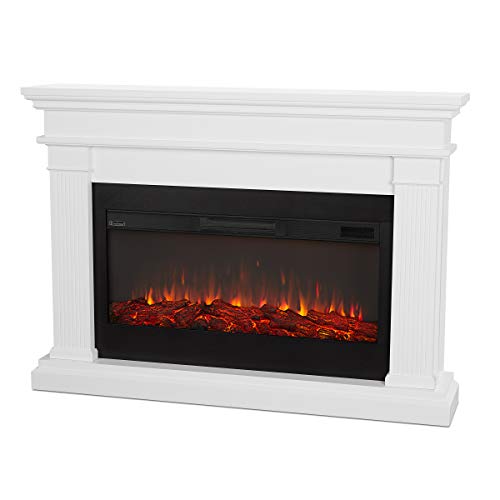
Flame Simulation Quality Depends on Technology and Settings
Flame simulation in electric fireplaces varies mainly with the technology level and features of the model. You can often adjust flame color, brightness, and speed on higher-end units to suit your mood or room lighting.
Basic or older models stick to simple flickering lights that lack depth or 3D effects, making the flames look flat and less convincing. More advanced options use multi-layer LED projections and reflective glass for a richer flame illusion.
Electric fireplaces typically come with controls on the unit itself or with a remote. Some newer models even offer app control, letting you customize flame effects from your phone or tablet.
Sound effects like crackling logs and ember bed lighting can improve the ambiance but don’t create actual flames. These features add sensory layers that simulate a real fire experience but do not change the visual flame itself.
If the flame effect flickers irregularly or fails to appear, it’s usually a sign of a malfunction. Flame effect repairs often involve replacing bulbs, LEDs, or fixing wiring issues. Searching “electric fireplace repair near me” helps find local specialists for these fixes.
No electric fireplace produces real flames under any condition. What changes is only the quality of the simulated flame and how customizable or interactive it feels.
How to Safely Use Electric Fireplaces Instead of Real Flames
Electric fireplaces need no chimney or venting, which simplifies installation and eliminates concerns about smoke or carbon monoxide. That makes them ideal for apartments and rooms without existing fireplace flues.
They are safer around children and pets since there are no open flames, hot embers, or real combustion gases. Surfaces stay cooler than traditional fireplaces, reducing burn risks.
Always plug electric fireplaces directly into a wall outlet. Avoid extension cords or power strips because the heater’s high current draw can cause overheating or fire hazards. This is a common safety rule for electric space heaters.
Look for models with tip-over and overheat protection features. These automatically shut off the unit if it tips or gets too hot, adding an important layer of safety.
Unlike fuel-burning heaters that need a working CO alarm, electric fireplaces do not produce carbon monoxide and don’t require one.
If you want flame ambiance without heat, just turn off the heater function. Most models let you enjoy the flame effects with no warmth, perfect for mild seasons or all-year atmosphere.
More Questions, Answered
Do electric fireplaces produce any real flame or combustion?
Can the flame color and brightness be adjusted on electric fireplaces?
Do electric fireplaces need venting or a chimney?
Are electric fireplaces safe for homes with children and pets?
What causes electric fireplace flame effects to stop working?
Do electric fireplaces produce heat as well as flame effects?

HeaterGuides covers home heating, water heating and HVAC: how the equipment works, what it costs to run, and how to use it safely.