High Efficiency Heating And Cooling Systems For Homes
On this page 6 sections
A half-true belief hangs around basements: they are always cold because they need a bigger heater. The true half is that basements do lose heat faster through concrete, rim joists, and gaps, so a heater that fits the room matters more than a bigger label on the box.
The usual mistake is paying for heat twice. First in the heater, then in the power or fuel it burns because the basement is leaking warmth into the ground like a badly insulated coffee mug.
Efficient Heating Solutions for Basements
The most efficient heating solution for a basement matches heat delivery to the room: a ductless heat pump usually leads on energy use, while infrared, oil-filled electric, hydronic, and furnace heat each fit different layouts and uses. For high efficiency heating and cooling systems for homes, the practical answer is a dry, insulated basement with controlled heat loss; a leaky unfinished room can waste almost any system.
The best ways to improve home heating system efficiency start with the room, not a bigger heater. Seal obvious drafts, keep insulation dry and continuous, then choose the heat source; that is also the short answer to most efficient home heating systems, high efficiency heating systems, best energy efficient heating systems, most cost efficient home heating, and energy efficient home heating. The heater matters, but the basement gets the final vote.
How Each System Heats A Basement
Infrared electric heat warms people, floors, walls, and furniture directly, so the comfort arrives quickly where the beam reaches. Oil-filled electric radiators warm their oil and then release steady heat to the air, with a little radiant warmth; they take longer to change the room but suit occupied rooms where quiet operation matters. Both are resistance heaters, so each unit turns its electricity into heat at the unit, though the bill still depends on wattage and run time.
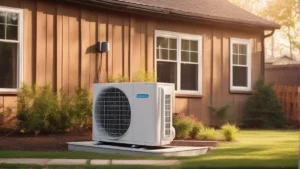
A forced-air furnace moves heated air through ducts and can serve a larger finished basement when the ductwork is properly sized. Hydronic baseboard circulates hot water through finned baseboards, giving even, quiet heat when a suitable boiler and piping already exist. A ductless heat pump transfers heat from outdoors instead of making it directly, so it can use less electricity for the same heat when the outdoor temperature and system are within their rated range.
| System | Comfort | Install complexity | Running-cost trend |
|---|---|---|---|
| Infrared electric | Fast, directional warmth | Low | Moderate to high; depends on use and electric rate |
| Oil-filled electric | Quiet, steady room warmth | Low | Moderate to high; resistance heat |
| Forced-air furnace | Fast whole-room heating | Medium to high | Low to moderate with efficient equipment and reasonable fuel cost |
| Hydronic baseboard | Even, quiet warmth | High unless piping exists | Low to moderate; depends on boiler and fuel |
| Ductless heat pump | Steady air heat with cooling | Medium to high | Often lowest electric cost for heating; varies with outdoor conditions |
The most efficient home heating method changes with the basement’s job. A family room benefits from even whole-room heat, a workshop may need quick heat near the workbench, and a laundry area may need dependable background warmth. Storage needs little heat if pipes are protected, while an in-law suite deserves a properly sized system with independent temperature control.
If you want to compare purchase-ready options after sorting out the room, start with these cost effective heating solutions for basements without moisture problems.
Measure The Room Before You Buy Heat
For energy efficient home heating, size the heater to the basement’s heat loss, not floor area alone. The most efficient home heating unit, efficient heating systems for homes, and the cheapest most efficient home heating setup all follow the same rule: an insulated, partly below-grade room needs less output than an open, drafty room of equal size. That is the practical meaning of energy efficient heating and energy efficient home heating systems.
Measure the footprint, ceiling height, insulation, windows, and the door’s use. An eight-foot ceiling and a door opened twice an hour lose less heat than a tall room with a leaky exterior door, so the most energy efficient home heating systems and most energy efficient home heating equipment can differ between two basements with the same square footage.
Running cost follows a simple equation: watts ÷ 1,000 × hours per day × days × electricity rate. At a sample rate of $0.17 per kWh, enter your heater’s wattage and schedule rather than assuming it runs continuously; a thermostat may cycle it off as the room warms.
| Heater | Watts | Per hour | Per day (6 h) | Per month (30 days) |
|---|---|---|---|---|
| 1,500 W plug-in heater | 1,500 W | 26¢ | $1.53 | $45.90 |
| 500 W heater | 500 W | 8.5¢ | 51¢ | $15.30 |
Keep Damp Air From Stealing Comfort
For most homes, the most efficient house heating system is a properly sized air-source heat pump, but a basement needs dry walls, floors and air before any heater can work efficiently. Moisture makes the room feel colder because damp surfaces and cold concrete conduct heat away from your body faster; humid, clammy air also slows evaporation from your skin. The heater runs longer, yet the room can still feel chilly.
High efficiency home heating systems can’t overcome a wet envelope. Fix the moisture path first, then size the heat source to the remaining heat loss. That rule applies to energy efficient heating and cooling systems, electric heaters and hydronic systems alike.
These energy efficient home heating solutions start with the building envelope. For a basement with no moisture problem, compare cost effective heating solutions after the concrete, rim joists and door gaps have stopped stealing the heat.
 Winter Heating Bill CutterSee what every heater in your home really costs, heat the rooms you use, and cut the waste in 30 days.Cost-per-hour tables for every heaterThermostat schedule and draft-proofing planRunning-cost and bill calculator (Excel)
Choose The Heat Source That Fits Your Basement
For most residential homes, a properly sized air-source heat pump is the most efficient heating and cooling choice, while a basement often benefits from a quieter heat source matched to how you use the room. Radiant floors and hydronic baseboard make finished spaces comfortable; a furnace or boiler makes more sense when the basement belongs to the whole-house system.
Hydronic baseboard and radiant floors spread heat gently across the room, so finished basements can feel comfortable without a hot blast from one corner. Those energy-efficient central heating radiators still need a boiler or another central plant, tubing, controls and proper installation. Central energy-efficient heating radiators don’t create heat by themselves; the boiler’s fuel and efficiency decide much of the operating cost.
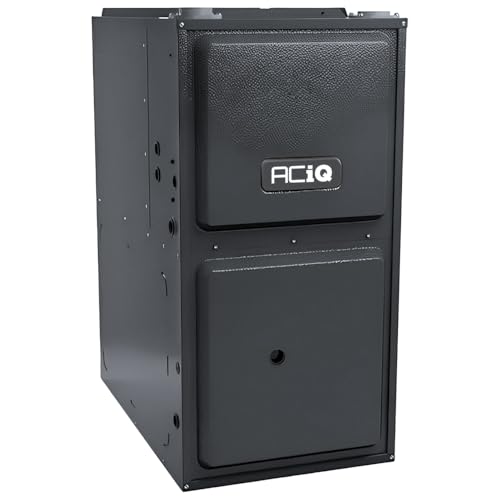
A gas furnace is the practical whole-house answer when the basement sits inside the conditioned envelope or houses the main HVAC equipment. A 96% AFUE furnace wastes little fuel on paper, but the rating assumes correct sizing, airflow, venting and installation. Keep the furnace room’s required clearances and combustion-air openings clear, and install a working carbon monoxide alarm near sleeping areas.
Propane and oil systems can make sense when fuel access is the deciding factor. The most efficient home heating system depends on the available fuel, equipment and distribution system; the fuel bill and venting usually decide the real winner. High-efficiency propane heating systems can serve a whole house, while a high-efficiency propane heating stove may suit one finished area only if it’s an indoor-rated model installed and vented as its manual and local code require. Never bring a patio, construction or outdoor heater into a basement.
| Basement use | Likely fit | Why |
|---|---|---|
| Quick spot warmth | Infrared or electric space heater | Useful at a desk or workbench; plug directly into a wall outlet and keep 3 feet of clearance. |
| Full-room comfort | Hydronic baseboard, radiant floor, oil-filled radiator or heat pump | Steadier heat suits finished rooms and longer occupancy. |
| Whole-house heat | Ducted heat pump, gas furnace, boiler, propane or oil system | The central plant can heat the basement and the floors above. |
Ask what already serves the house before buying a separate heater. Extending a correctly sized hydronic loop or duct may cost less and run more evenly than adding a second appliance, while a small electric heater can be sensible for occasional use in one dry, finished corner.
Run The Final Check Before You Buy
Energy-efficient heating and cooling usually starts with a properly sized heat pump, which can heat and cool more efficiently than electric resistance heat when the basement suits it. The highest-efficiency heating and cooling units are generally ductless or central heat pumps with strong efficiency ratings, but a small, air-sealed basement may need only a modest electric heater. Resistance heat converts electricity to heat efficiently at the outlet; a heat pump moves heat, so it can use less electricity for the same job.
A simple efficiency example: a 1,500 W heater uses 1.5 kWh every hour it runs. At 17 cents per kWh, four hours costs about 1.5 × 4 × $0.17, or $1.02. A heat pump may reduce electricity use in suitable conditions, but installation cost, outdoor temperature, insulation and duct or line placement decide whether that advantage pays back.