
Common mistakes in temperature calibration include using improper reference standards, neglecting equipment maintenance, and failing to account for environmental influences.
Temperature calibration errors can lead to costly mistakes in industrial processes, scientific research, and food safety. Even small deviations can cause product defects, equipment failures, or health hazards. Understanding these common pitfalls helps maintain measurement precision.
1. Skipping Post-Installation Verification
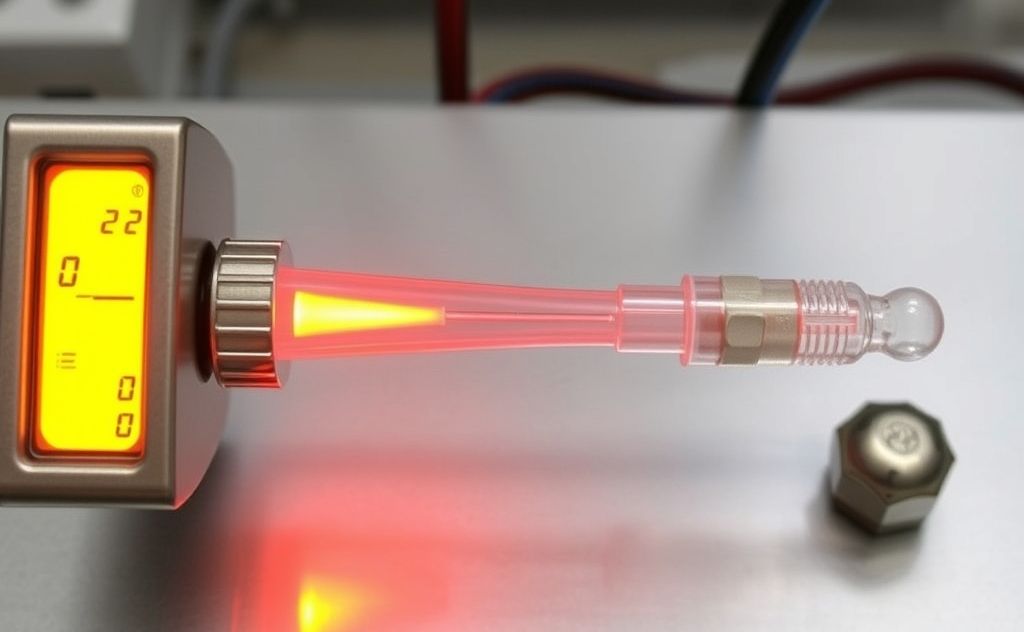
Many assume factory calibration remains accurate after installation. This is false. Sensors experience stress during shipping and installation that affects readings. Environmental factors like vibration, electrical noise, and thermal cycling also impact performance.
Critical mistake: Not verifying calibration after installing sensors in their operating environment.
Real-World Consequences
- A ±1°C error in pharmaceutical manufacturing can ruin batches
- Refineries lose thousands daily from inaccurate temperature readings
- Food processing plants risk bacterial growth with uncalibrated thermometers
For critical applications like water heater thermostat control, always verify calibration post-installation.
2. Ignoring Sensor Drift Over Time
All temperature sensors drift gradually. Thermocouples degrade from oxidation and metallurgical changes. RTDs suffer from wire stress and moisture ingress. Without tracking, small errors accumulate into significant inaccuracies.
| Sensor Type | Typical Drift Rate | Primary Causes |
|---|---|---|
| Type K Thermocouple | 0.5-2°C/year | Oxidation, contamination |
| PT100 RTD | 0.1-0.5°C/year | Wire strain, moisture |
Drift Prevention Strategies
- Implement calibration tracking software
- Use premium materials like Inconel sheaths
- Shorten calibration intervals for critical processes
3. Using Wrong Calibration Method
Different applications require specific calibration approaches. Choosing incorrectly leads to unreliable results.
Common Calibration Methods:
- Fixed-point: Uses phase transitions (melting points) for lab-grade accuracy
- Comparison: Tests sensor against reference in temperature bath
- Field calibration: Verifies sensors in place using portable standards
For patio heater thermocouples, field calibration often works best to maintain accuracy in operating conditions.
4. Neglecting Environmental Factors
Temperature readings vary based on surroundings. Common overlooked factors:
- Electrical interference near motors or VFDs
- Heat conduction through sensor mounts
- Air currents affecting surface measurements
- Solar radiation skewing outdoor readings
According to NIST guidelines, environmental errors can exceed 5°C in industrial settings.
5. Improper Probe Placement
Measurement location dramatically impacts accuracy. Typical placement errors:
- Not reaching thermal equilibrium with medium
- Measuring air temperature instead of surface
- Placing probes near heat sources or cold spots
Best Practices
- Immerse probes fully in liquids
- Use thermal paste for surface measurements
- Allow 5x sensor time constant for stabilization
6. Using Inadequate Reference Standards
Calibration quality depends on reference equipment. Common issues:
- Using uncalibrated master sensors
- References with insufficient accuracy
- Expired calibration certificates
- Improperly maintained standards
For critical applications like Fluke recommends references 4x more accurate than devices under test.
7. Rushing Stabilization Time
Sensors require time to reach equilibrium. Rushing leads to:
- Underestimated temperature readings
- Inconsistent measurements
- False process adjustments
Allow minimum stabilization periods:
- Thermocouples: 30-90 seconds
- RTDs: 1-3 minutes
- Infrared sensors: 15-30 minutes
8. Poor Documentation Practices
Incomplete records make tracking calibration history impossible. Essential documentation includes:
- Date and time of calibration
- Reference standards used
- Environmental conditions
- As-found and as-left data
- Technician performing work
9. Ignoring Manufacturer Specifications
Each sensor has unique requirements. Violating specifications causes:
- Reduced accuracy
- Shortened lifespan
- Voided warranties
Always consult manufacturer docs for:
- Maximum temperatures
- Immersion depths
- Environmental limits
10. Using Damaged Equipment
Cracked insulation, bent probes, or corroded connectors introduce errors. Regular inspection should check for:
- Physical damage to sensors
- Loose connections
- Corrosion or oxidation
- Insulation breakdown
For water heater element maintenance, always inspect tools and sensors before use.
