You changed the filter last month. The system still sounds like it’s working harder than it should, and your utility bill keeps creeping up. The culprit is often hiding in plain sight: the coils and ductwork are carrying a layer of grime that’s silently eating your efficiency and your indoor air quality.
This article walks through what eco-friendly HVAC cleaning actually involves, why it beats conventional methods for your wallet and the planet, and how to tell real green practices from marketing fluff. You’ll get hard numbers on savings, a clear framework for deciding between DIY and hiring a pro, and a practical 12-month maintenance calendar you can start using today.
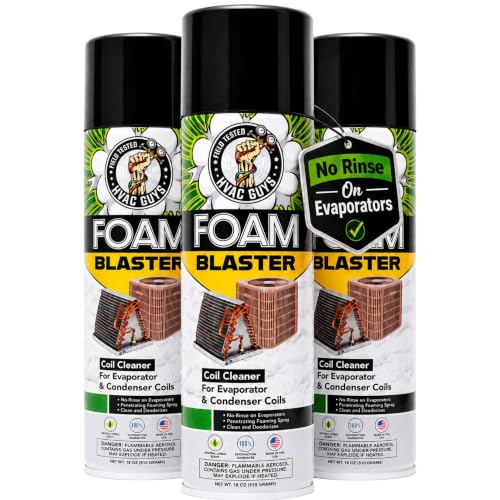
Leak Saver
Leak Saver Foam Blaster AC Coil Cleaner…
- HIGH-PRESSURE FOAMING SPRAY PENETRATES DEEP- Unlike wide-spray HVAC coil cleaners that foam on contact, Foam Blaster uses a higher…
- POWERFUL ACTIVE EXPANDING FOAM LIQUIFIES GRIME - Other air conditioner coil cleaners foam up right away like shaving cream, making…
- FOR EVAPORATORS (NO-RINSE) AND CONDENSERS - The Foam Blaster AC coil cleaner foam is made for both your AC evaporator (no rinsing…
One tool that makes this easier at home is the Leak Saver Foam Blaster AC Coil Cleaner. It’s a foaming spray designed to penetrate deep into evaporator and condenser coils, breaking up the buildup that hurts performance. For a weekend DIY session, it’s a solid option to have on hand.

The Hidden Cost of a “Dirty” HVAC System
A dirty coil isn’t just an eyesore. It’s a direct hit to your system’s ability to transfer heat. The U.S. Department of Energy estimates that a dirty condenser coil can reduce cooling efficiency by as much as 30%. That means your compressor runs longer, cycles more often, and draws more electricity to move the same amount of heat.
Think about what that does over a summer. A system that pulls 3.5 kW instead of 2.5 kW for eight hours a day adds roughly 24 kWh of extra consumption daily. At an average rate of $0.16 per kWh, that’s nearly $4 a day in wasted energy. Over a 90-day cooling season, you’re looking at $350 to $400 gone, just because of a dirty coil.
The carbon footprint angle is just as stark. Every extra kilowatt-hour of electricity from a coal or natural gas plant releases about 0.9 pounds of CO2. That same dirty coil is responsible for roughly 2,000 pounds of avoidable CO2 emissions per cooling season. That’s the equivalent of burning 100 gallons of gasoline. Clean coils aren’t just about comfort; they’re a direct lever on your household emissions.
Dirty filters compound the problem. A clogged filter restricts airflow, which makes the blower work harder and can cause the evaporator coil to freeze. When airflow drops below the manufacturer’s specification, the system loses capacity and efficiency. The fix is simple, but most homeowners forget it until the system starts struggling.
Why Traditional Cleaning Methods Undermine Your Green Goals
Most conventional coil cleaners are harsh chemical cocktails. They often contain sodium hydroxide, phosphoric acid, or butyl cellosolve. These substances strip grease effectively, but they also release volatile organic compounds (VOCs) into your living space. Those VOCs contribute to indoor air pollution and can trigger respiratory irritation, especially for kids, pets, or anyone with asthma.
There’s also the rinse water problem. Traditional cleaners often require a heavy water rinse to neutralize the chemicals. That water carries the dissolved grime and the cleaner itself down your drain or into your yard. It’s not exactly a sustainable practice, especially when safer alternatives exist.
Eco-friendly cleaning flips that script. It relies on non-toxic cleaning agents that break down grime without leaving harmful residues. Many of these products are biodegradable, plant-based, and free of ozone-depleting compounds. They still do the job, but they don’t pollute your indoor air or the groundwater in the process.
That’s not to say every “green” product on the shelf is perfect. Some are diluted versions of the same harsh chemicals with a leaf on the label. You have to read the ingredient list and look for third-party certifications like Green Seal or EPA Safer Choice. Those designations mean a product has been independently verified to meet strict environmental and health standards.
For a deeper look at what makes a cleaning product genuinely eco-friendly, check out this guide on eco-friendly cleaners.
The ROI of Eco-Friendly Cleaning: Efficiency Data & Savings
Let’s put some hard numbers on the table. The Lawrence Berkeley National Laboratory found that regular maintenance, including coil cleaning, can improve HVAC efficiency by 5% to 15%. For a typical 3-ton system that uses 3,500 kWh per year, a 10% improvement saves 350 kWh annually. At $0.16 per kWh, that’s $56 a year in electricity alone.
That might not sound like a fortune, but it compounds. Add in the fact that a clean system experiences less strain on the compressor and blower motor. Less strain means fewer breakdowns and a longer system lifespan. A well-maintained unit can last 15 years instead of 10. That delayed replacement saves you several thousand dollars, not to mention the embodied carbon in manufacturing a new unit.
Energy Savings and System Lifespan
The efficiency gains are not just theoretical. A case study from the American Society of Heating, Refrigerating and Air-Conditioning Engineers (ASHRAE) showed that a dirty evaporator coil could increase energy consumption by up to 30% in commercial systems. Residential systems see similar penalties, especially in dusty climates.
Eco-friendly cleaning methods don’t sacrifice performance. A clean coil is a clean coil, regardless of the cleaner used. The difference is that green products don’t leave a corrosive residue that can eat away at the aluminum fins over time. That means the coil stays efficient longer, and you’re not re-cleaning every few months just to keep up with chemical damage.
Health Benefits and Allergen Reduction
Your HVAC system is essentially the lungs of your home. It pulls in air, conditions it, and pushes it through every room. When the coils and drain pan are coated in organic matter, you’re breeding mold and bacteria. Those spores get blown directly into your living space.
Eco-friendly cleaning agents are typically antimicrobial and leave no toxic residue. This reduces the biological load in your ductwork without introducing new irritants. For households with allergies or asthma, that’s a significant win. Fewer allergens and VOCs in the air means fewer respiratory flare-ups and less reliance on air purifiers.
HEPA filtration helps, but it can’t fix a dirty coil. The coil is the primary source of biological growth in most systems. Cleaning it with a non-toxic agent addresses the root cause rather than just filtering the symptoms.
How to Spot Real Eco-Friendly Practices (Avoiding Greenwashing)
Every company claims to be green these days. The term “eco-friendly” has been so overused that it’s nearly meaningless without verification. Here’s how to separate genuine sustainability from a marketing spin.
First, ask for the specific product names and Safety Data Sheets (SDS). A legitimate company will share them without hesitation. Look for ingredients that are plant-based, biodegradable, and free of chlorinated solvents and phosphates. If the SDS lists hazardous air pollutants or requires extensive personal protective equipment, it’s not eco-friendly.
Second, check for third-party certifications. Green Seal, EPA Safer Choice, and UL ECOLOGO are the big ones. These programs audit both the ingredients and the manufacturing process. A product with one of these labels has been independently verified, not just self-declared.
Third, look at the company’s actual practices. Do they use HEPA-filtered vacuums to capture dust instead of just blowing it around? Do they properly dispose of the waste they collect? Do they offer duct sanitization with non-toxic products? These operational details matter more than the logo on their truck.
Finally, be wary of vague claims. “Natural” doesn’t mean safe, and “plant-based” doesn’t automatically mean non-toxic. Some plant-derived compounds are still irritants. Demand specifics, and if a company can’t provide them, that’s a red flag.
For a broader view of how eco-friendly designs and technologies fit into the bigger picture, this overview of eco-friendly HVAC tech is a useful resource.
DIY vs. Professional: An Eco-Friendly Decision Matrix
You don’t need to hire a professional for every maintenance task. Some jobs are simple, safe, and perfect for a weekend DIY project. Others require specialized equipment and training to do correctly without causing damage. Here’s a practical framework to help you decide.
DIY-Friendly Tasks:
- Replacing or cleaning air filters (monthly or quarterly, depending on type)
- Cleaning the outdoor condenser coil with a garden hose (avoid pressure washers; they can bend the fins)
- Applying a no-rinse evaporator coil cleaner foam to the indoor coil if you can safely access it
- Clearing debris and vegetation from around the outdoor unit
- Checking and clearing the condensate drain line
Call a Professional For:
- Deep cleaning of the entire ductwork system, which requires negative air pressure and HEPA filtration to avoid spreading dust
- Cleaning the blower wheel and motor, which are delicate and hard to access
- Checking refrigerant charge and looking for leaks
- Any task that requires disassembling major components of the system
- Duct sanitization with antimicrobial treatments, which needs proper application to be effective
If you’re comfortable with basic tools and can follow safety instructions, the DIY route is perfectly viable for surface-level cleaning. But know your limits. A mistake on the blower wheel or a bent fin can cost more than a professional cleaning would have.
For a more detailed comparison of the two approaches, read this DIY vs. professional cleaning analysis.
| Task | DIY Difficulty | Eco-Friendly Method | Frequency | When to Call a Pro |
|---|---|---|---|---|
| Filter replacement | Easy | Use washable, high-MERV filters or recyclable ones | Every 1-3 months | Never |
| Condenser coil cleaning | Moderate | Garden hose + biodegradable coil cleaner | Annually, before cooling season | If fins are heavily bent or matted |
| Evaporator coil cleaning | Hard | No-rinse foam cleaner (like the Foam Blaster) | Annually, or when efficiency drops | If you can’t access the coil safely |
| Duct cleaning | Very Hard | HEPA vacuum + agitation tools | Every 3-5 years, or after renovations | Always |
| Drain line flush | Easy | White vinegar or enzyme-based cleaner | Quarterly | If there’s a persistent clog |
Your 12-Month Eco-Friendly HVAC Maintenance Calendar
Consistency beats intensity. A small amount of regular care prevents the need for aggressive cleaning later. Here’s a month-by-month plan that aligns with the seasons and keeps your system running lean.
January: Check the filter. If you have a washable one, clean it. If not, replace it. This is a low-effort, high-impact task.
February: Inspect the outdoor unit for ice or snow buildup. Clear any debris that has accumulated around the base. Check the condensate drain for clogs.
March: Schedule a professional inspection if you didn’t do one in the fall. They should check refrigerant levels, electrical connections, and overall system health.
April: Clean the outdoor condenser coil. Use a garden hose and a biodegradable coil cleaner. This is the perfect time before the cooling season starts.
May: Clean the evaporator coil. Use a no-rinse foam cleaner. Make sure the power is off and you can access the coil safely. If not, call a pro.
June: Check your thermostat settings. Raise the temperature a few degrees while you’re away. Clean or replace the filter again.
July: Flush the condensate drain line with a cup of white vinegar. This prevents algae and mold growth that can cause overflow and water damage.
August: Inspect the ductwork for visible leaks in the basement or attic. Seal any gaps with mastic or foil tape, not duct tape.
September: Clean the outdoor unit again if it’s been a dusty summer. Remove any leaves or grass clippings that have gathered.
October: Schedule a fall checkup for the heating system. Clean or replace the filter. Check the blower motor for dust buildup.
November: Replace the filter one last time before winter. Check the carbon monoxide detector if you have a gas furnace.
December: Give the system a rest. Minimal maintenance needed, but keep the area around the indoor unit clear of clutter.
This calendar isn’t exhaustive, but it covers the essentials. Stick to it for a year, and you’ll notice the difference in your utility bills and your indoor air quality.
What About the Bigger Picture?
Eco-friendly HVAC cleaning works best when it’s part of a broader strategy. Pair it with a high-efficiency filter, seal your ductwork, and consider a smart thermostat that adjusts based on occupancy. These steps compound the benefits of a clean system.
Don’t overlook the role of insulation and air sealing. A clean system that pushes air through a leaky duct network still wastes energy. The key elements of an eco-friendly HVAC approach include the whole envelope, not just the mechanical parts.
Frequently Asked Questions
How often should I clean my HVAC coils?
At least once a year for the evaporator coil and once a year for the condenser coil. If you live in a dusty area, have pets, or run the system heavily, consider doing it twice a year. The condenser coil is outdoors and collects dirt, pollen, and debris, so it often needs more frequent attention.
Can eco-friendly cleaners be as effective as traditional chemical ones?
Yes, for residential and most commercial applications. Modern eco-friendly formulations use enzymes and surfactants that break down organic grime effectively. They may require a bit more contact time or a second application for heavily soiled coils, but they don’t leave corrosive residues that damage the equipment over time.
Will eco-friendly cleaning really lower my utility bills?
It can. A clean coil restores the system’s heat transfer efficiency, which directly reduces energy consumption. The exact savings depend on how dirty the system was and how long it’s been neglected. Expect a 5% to 15% improvement in efficiency, which translates to visible savings over a cooling or heating season.
Is it safe to use eco-friendly coil cleaners around pets and children?
Generally, yes. Products with EPA Safer Choice or Green Seal certification are formulated to be low in toxicity and VOCs. Still, you should keep pets and children away from the work area while applying any cleaner, and ensure the area is well-ventilated until the product dries.
What’s the difference between duct cleaning and coil cleaning?
Coil cleaning targets the evaporator and condenser coils, which are the heat exchange surfaces. Duct cleaning removes dust and debris from the network of supply and return ducts. Both matter, but coil cleaning has a more direct impact on efficiency. Duct cleaning is more about indoor air quality and is needed less frequently.
Actions You Can Take This Week
You don’t need to wait for a professional to make a difference. Here’s what you can do starting today to move toward a more sustainable and efficient system.
- Replace or clean your air filter. It’s the single cheapest and fastest efficiency improvement.
- Inspect the outdoor unit. Remove leaves, grass, and debris. Straighten any bent fins with a fin comb.
- Flush the condensate drain with a cup of white vinegar to prevent clogs and mold.
- Buy a no-rinse, biodegradable coil cleaner for the evaporator coil. Follow the instructions carefully.
- Schedule a professional inspection if your system is more than five years old and hasn’t been serviced recently.
- Set a recurring reminder on your phone for the monthly tasks in the calendar above.
- Track your utility bills for the next three months to establish a baseline, then compare after you’ve cleaned the system.
Eco-friendly HVAC cleaning isn’t a luxury. It’s a practical, measurable way to cut costs, reduce emissions, and breathe cleaner air. The tools and methods are available, and the payoff is real. Start with one task this week, and build from there.

I am a mechanical engineer and love doing research on different home and outdoor heating options. When I am not working, I love spending time with my family and friends. I also enjoy blogging about my findings and helping others to find the best heating options for their needs.
Related guides

Eco-Friendly System Cleaning: Green Solutions That Work
Explore eco-friendly cleaning options like vinegar, baking soda, and plant-based detergents to effectively maintain systems while minimizing environmental…
Why Professional HVAC Cleaning Boosts Home Health & Efficiency
Professional HVAC cleaning services enhance air quality, improve system efficiency, and prolong equipment lifespan, ensuring a healthier indoor…

Essential Tips For Maintaining Clean Ductwork In Your Home
You changed the air filter last month, vacuumed the living room twice, and still find a fine gray…