

A propane heater can extend your outdoor season by keeping patios and decks warm on chilly nights. This guide walks you through everything from sizing the heater by BTU output to selecting safety features and installation tips.
Most people make the mistake of buying a heater too small for their space or ignoring ventilation needs, which wastes fuel and risks carbon monoxide buildup. We’ll help you avoid that costly error.
How to Choose a Propane Heater for Outdoor Use
Choose a propane heater by matching its heat output to your outdoor space size and considering safety, fuel efficiency, and portability. The main steps are calculating the BTU needs, selecting the heater style, checking safety features, and accounting for wind and weather effects.
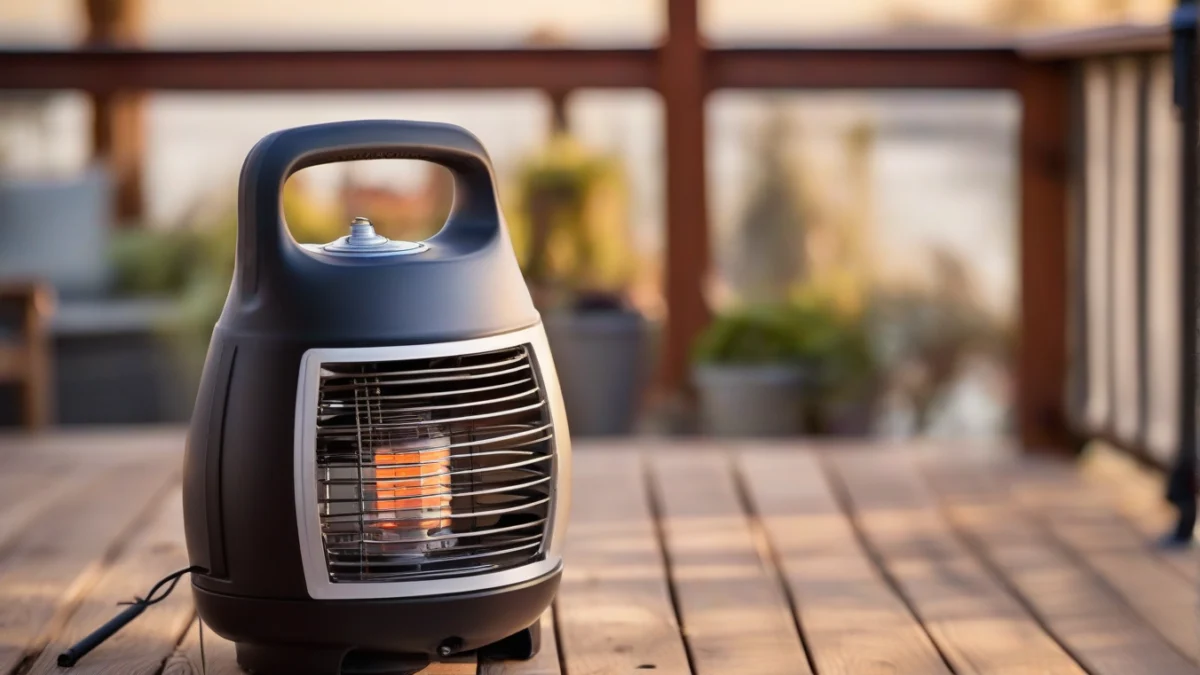
Start by calculating how much heat you need using the formula: multiply the desired temperature increase (in °F) by your outdoor area’s volume in cubic feet, then multiply by 0.133 to get the BTU output required. For example, a 20 by 20-foot patio with an 8-foot ceiling and a 20°F temperature rise needs about 4,256 BTUs (20 × 20 × 8 = 3,200 cubic feet; 3,200 × 20 × 0.133 = 4,256 BTU). Outdoor spaces need more heat than indoors, so round up to a propane heater rated for around 40,000 to 55,000 BTUs for typical patio use.
Propane patio heaters come in several types, each suited to different needs. Free-standing models offer high heat output and coverage, often heating a radius of 20 feet or more—about 300 square feet. Tabletop heaters are smaller, ideal for personal or small group use, while pyramid-style heaters combine heating power with a striking design but require stable placement. Pole-style heaters mount overhead or on stands and save floor space but may have a smaller heat radius. Choose the style that fits your space and how you want to arrange seating or tables.
Safety features are critical. Look for tip-over protection that shuts off gas if the heater tilts beyond a set angle, flame-out shutoff that stops gas if the flame goes out, and thermostats for maintaining consistent temperatures without waste. These features reduce fire and carbon monoxide risks, especially in variable outdoor conditions. Confirm the heater has a UL or ETL listing for outdoor propane use.
Fuel efficiency affects how long a standard 20-pound propane tank will last. At high heat settings, expect about 10 hours of continuous use, but lower settings extend that time. Some heaters allow adjustable flame control to balance comfort and fuel use. Efficiency also depends on how well the heater directs heat—reflector design and burner quality matter.
Portability varies widely. Wheels and handles make moving a free-standing heater easier, especially if you store it away between seasons. Weight matters too; heavier units are more stable in wind but harder to relocate. Tabletop heaters are naturally portable but less powerful. Consider your storage and transport needs when choosing.
Coverage area is key. A typical 40,000 BTU free-standing heater warms about a 20-foot radius, enough for several people. Smaller heaters cover less ground, suitable for close seating or tabletop use. Remember that wind and open areas reduce effective heat radius. Wind breaks or partial enclosures can improve performance but require proper ventilation to avoid gas buildup.
Wind and weather impact heater effectiveness. Strong breezes disperse heat quickly, so placing heaters near wind barriers helps. Rain or snow can damage some models, so check the manufacturer’s weather resistance. Using heaters under tents or covered patios is safe if ventilation meets instructions and safety features function correctly.


Checklist of Tools and Parts Before You Start
Before you install a propane heater outdoors, gather the right tools and parts to keep the job safe and efficient. Having what you need on hand prevents last-minute trips and ensures you can follow the instructions without shortcuts.
- Adjustable wrench or crescent wrench for tightening gas fittings
- Flathead and Phillips screwdrivers for control panel and mounting screws
- Open-end wrench sized for propane tank connections
Check that your propane tank and regulator are compatible with the heater model. Most patio heaters use a standard 20-pound tank, but confirm the regulator fits the heater’s inlet and is rated for outdoor use. A mismatched regulator risks leaks or poor burner performance.
Bring a leak detection solution or mix a spray bottle of soapy water. After connecting the tank and regulator, spray the fittings to check for gas leaks. Bubbles reveal escaping propane, which means you need to tighten connections or replace faulty parts before lighting the heater.
Wear safety gear such as gloves to protect your hands from sharp edges and eye protection to shield against debris or unexpected gas spray. Even on a straightforward installation, these precautions reduce injury risks.
Optional items include mounting brackets or chains if your heater requires secure attachment to a wall or ceiling. A weighted base filled with sand or water improves stability for free-standing models, especially on windy days or uneven surfaces.
Knowing how to install a propane heater starts with preparation. Tools like an adjustable wrench and screwdrivers are basics. Confirm propane tank and regulator compatibility early, and always test connections with leak detection before first use.
Once you have the tools, parts, and safety items ready, you can follow a step-by-step guide for propane heater installation with confidence and fewer surprises. For a detailed installation walkthrough, see our complete safety guide on propane heater installation.
Step-by-Step Installation and Setup of a Propane Heater
Installing a propane heater outdoors starts with careful positioning to ensure safety and effective heating. Place the heater on a stable, level surface with at least 3 feet of clearance on all sides and overhead to avoid fire hazards and maintain ventilation.
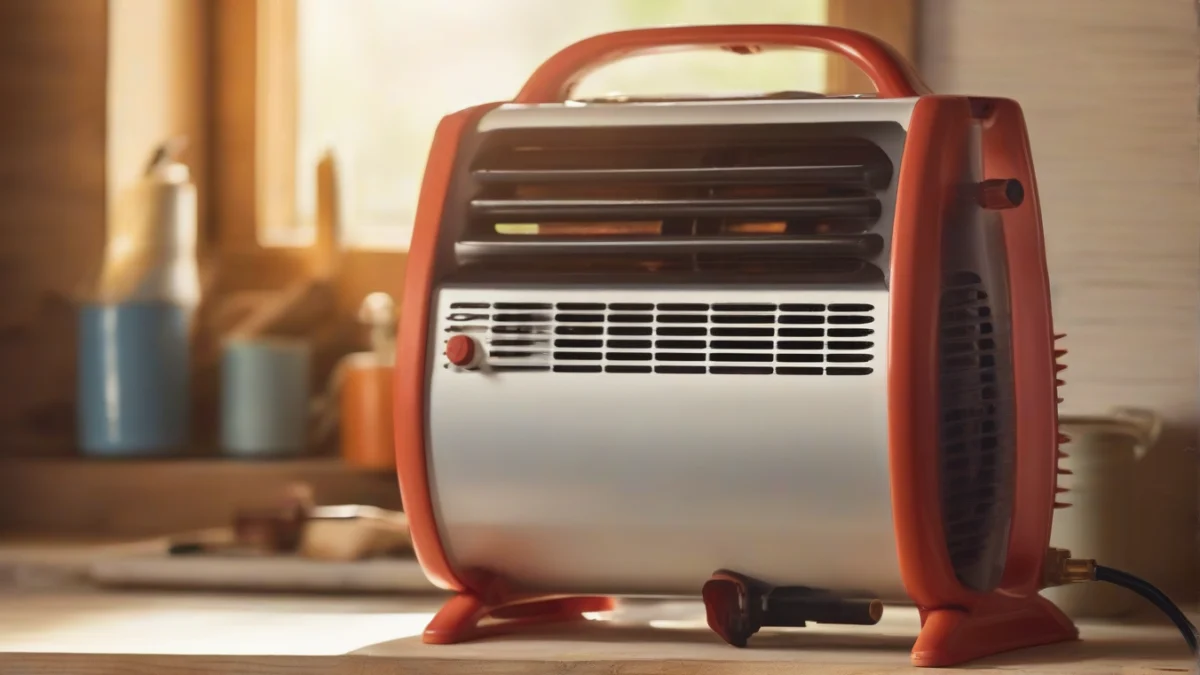
Avoid corners or enclosed spaces where heat and combustion gases can build up. The heater’s reflector should face the area where you want warmth, and keep it away from flammable materials like curtains, furniture, or dry leaves.
Next, attach the propane tank securely. Use the correct size tank specified by your heater’s manual—commonly a 20-pound cylinder. Make sure the tank valve is fully closed before connecting. Attach the regulator tightly to the tank valve, ensuring the connection is snug but not overtightened to avoid damaging threads.
Check the regulator and hose for cracks or wear before use. A damaged regulator can cause irregular gas flow or leaks.
Before lighting the pilot or burner, always perform a leak test. Mix a solution of equal parts water and dish soap and apply it to all gas connections with a brush or spray bottle. Slowly open the propane tank valve. If bubbles appear at the connection points, there is a leak. Tighten connections or replace faulty parts before proceeding.
Ignite the pilot light or burner following the manufacturer’s instructions precisely. Usually, this involves turning the control knob to “pilot,” pressing it in to release gas, and then using an ignition button or match to light the flame. Keep the knob pressed for 30 seconds after ignition to let the thermocouple heat up and ensure the pilot stays lit.
Watch the flame closely. It should be steady and blue with minimal yellow tips. A weak, flickering, or noisy flame may indicate a problem with gas pressure or burner cleanliness that needs addressing before use.
Once the heater is lit, adjust the heat setting to your comfort level. Test the safety shutoff features by gently tilting the unit; the tip-over switch should extinguish the flame immediately to prevent accidents.
Secure the heater against tipping and wind by using its built-in weight, sandbags, or anchor points if available. Wind can blow out the flame or cause instability, so positioning near a windbreak helps.
Common Mistakes That Cause Damage or Gas Leaks
Propane heater safety begins with proper handling to prevent damage and leaks. Carbon monoxide is a silent hazard: a propane heater designed for outdoor use can quickly fill an enclosed space with CO if ventilation is ignored.
The pilot light, essential for ignition, must be checked regularly and kept clean to avoid malfunction or gas buildup. A weak or flickering pilot can signal unsafe combustion or leaks.
A leak in propane fittings or hoses is a serious risk. Skipping a leak test after installation leaves you vulnerable. Always apply a soap-and-water solution to joints and watch for bubbles before use.
Overtightening fittings can crack connectors or damage seals, causing leaks over time. Tighten fittings just until snug and check manufacturer instructions for torque specifications.
Using the correct propane tank and regulator is critical. Tanks not rated for your heater or regulators with the wrong pressure setting can cause irregular flow, risking flameouts or dangerous gas release.
Blockage of airflow or placing the heater too close to combustibles creates fire hazards and reduces efficiency. Keep at least 3 feet of clearance around the heater and ensure air can circulate freely.
When to Get Permits or Hire a Licensed Professional
Propane heater installation may require permits and professionals depending on your local codes and the heater type. Permanent or commercial units often need official approval before use.
Connecting gas lines or installing venting for built-in or hardwired propane heaters is best left to licensed plumbers or HVAC technicians. Mistakes here can cause leaks or carbon monoxide hazards.
Permits are commonly required for heaters that attach permanently to a gas supply or are hardwired to electrical power. Check with your city or county building department before installation.
Using propane heaters indoors or in garages calls for careful ventilation to avoid CO buildup. Many models are rated only for outdoor or well-ventilated covered spaces. Follow the manufacturer’s guidelines strictly.
If your garage or indoor space lacks adequate airflow, installing a propane heater may violate safety codes or void insurance. A licensed professional can assess and recommend safe solutions tailored to your space.
Frequently Asked Questions
How many BTUs do I need for my outdoor patio?
What safety certifications should I look for in a propane heater?
How long does a 20-pound propane tank last when running a heater?
Can propane heaters be safely used under covered patios or tents?
What features improve the portability of propane heaters?
How do I maintain and clean my propane patio heater?

I am a mechanical engineer and love doing research on different home and outdoor heating options. When I am not working, I love spending time with my family and friends. I also enjoy blogging about my findings and helping others to find the best heating options for their needs.
Related guides

Blue Flame Vs Radiant Propane Heaters: 99.9% Efficient
Blue flame heaters provide convection heat for larger areas, while radiant propane heaters offer immediate warmth for focused…
Rheem RUC98iN Review: Is This the Best Tankless Water Heater?
Get the inside scoop on the Rheem RUC98iN! Find out why this tankless water heater is a game-changer…
Mr. Heater vs InoKraft MH85 Propane Heater Comparison
Compare the Mr. Heater and InoKraft MH85 propane heaters. We break down heat output, safety, and runtime to…
