Heating your home costs about 26 cents an hour on a 1,500 W electric heater at 17 cents per kWh. Using targeted zone heating, sealing drafts, and smart thermostats cuts costs without sacrificing comfort.
Heating costs can quickly add up, but you don’t need to freeze or overspend to stay warm. Understanding how much heat costs per hour and where your money leaks helps you pick affordable solutions that keep you comfortable.
This guide lays out practical, low-cost ways to heat efficiently, compares common heating options by running cost, and shows how small changes add up to big savings.
The essentials
A 1,500 W electric heater costs about 26 cents per hour at 17 cents per kWh.
Sealing drafts and adding insulation can reduce heating bills by up to 30%.
Zone heating with a space heater for occupied rooms saves more than heating the whole house.
Using a programmable or smart thermostat can cut heating costs by 10% or more.
Warm floors, thermal curtains, and ceiling fans running in reverse improve comfort at lower thermostat settings.
Cheap Ways To Heat Your Home Without Electricity or Gas
You can heat your home without electricity or gas by using wood or pellet stoves, propane heaters designed for indoor use, and passive solar heating methods. These options combine affordable fuel sources with careful ventilation and safety measures to keep you warm without relying on power or natural gas.
Wood-burning stoves provide efficient heating without electricity.
Wood and pellet stoves burn solid fuel that’s often cheaper per BTU than electricity and gas, especially if you have access to firewood. A cord of wood delivers about 20 million BTU and costs $150 to $300 depending on your region. Pellet stoves use compressed wood pellets and require electricity only for the feeder and fan, which can sometimes be powered by a small battery or solar setup.
Indoor-rated propane heaters provide clean heat without electric power, burning propane stored in 20 lb tanks. They can warm a room quickly but need fresh air ventilation and an oxygen depletion sensor (ODS) for safety. Never use outdoor or construction propane heaters indoors—they lack these safety features and risk carbon monoxide poisoning.
Avoid Unsafe Heaters Indoors
Outdoor and construction heaters are not rated for indoor air quality or venting. Using them inside risks carbon monoxide buildup and fire hazards.
Passive solar heating and thermal mass help retain warmth without any fuel. Position south-facing windows to admit sunlight during the day, and use materials like concrete or brick floors to absorb and slowly release heat at night. Heavy curtains and window films reduce heat loss.
All these methods require proper ventilation and monitoring. Wood and pellet stoves need regular chimney cleaning to prevent creosote buildup. Propane heaters must have adequate fresh air to prevent oxygen depletion and carbon monoxide buildup. Passive solar depends on your home’s design and climate.
Compare Running Costs of Common Home Heating Methods
Electric heaters cost about 17 cents per kilowatt-hour, while fuels like propane, kerosene, wood, and pellets vary widely but generally offer lower costs per hour of heat. Knowing burn rates, fuel prices, and heater efficiency helps you pick the cheapest heating method for your home.
A standard 1,500 W electric heater draws about 1.5 kW. Running it 8 hours a day at 17 cents per kWh costs around $2.04 daily. Propane heaters burn roughly 1 gallon every 6 to 8 hours; at $3.50 per gallon, that’s about 44 to 58 cents per hour. Kerosene costs about $3 per gallon and burns faster, roughly 1 gallon every 5 hours, so about 60 cents per hour.
Heating Method
Fuel Burn Rate or Power
Fuel Price Assumption
Cost per Hour
Electric Heater
1,500 W
$0.17 per kWh
Estimated running cost based on 1,500 W at 17 cents per kWh.
Propane Heater
~0.125 gallon/hr
$3.50 per gallon
Estimated running cost based on 2,500 W at 17 cents per kWh.
Kerosene Heater
~0.2 gallon/hr
$3.00 per gallon
Estimated running cost based on 3,500 W at 17 cents per kWh.
Pellet Stove
~1.5 lbs/hr
Average price per pound varies; check local suppliers for current kerosene costs.
Estimated running cost assuming typical kerosene burn rates and local fuel prices.
Wood Stove
~4 lbs/hr
Average price per pound varies; check local suppliers for current propane costs.
Estimated running cost assuming typical propane burn rates and local fuel prices.
Running costs per hour for common home heating options.
Wood and pellet stoves convert fuel to heat with about 70% to 85% efficiency depending on the model and maintenance. Electric heaters convert nearly 100% of electricity to heat but at a higher cost per BTU. Propane and kerosene heaters have efficiencies around 80% indoors but require ventilation that can cool the room.
Insulation and thermostat settings greatly affect total heating costs. A well-insulated home with a thermostat set to 68°F uses fuel far less rapidly than a poorly insulated one at 72°F. Modern furnaces often require minimum operating temperatures near 55°F to avoid damage, so running the heat too low can backfire.
Worked example
Say your living room needs 1,500 W to stay comfortable. Running an electric heater 8 hours costs $2.04 daily. Switching to a pellet stove burning 12 pounds daily at $0.25 per pound costs about $3.00, but you get more warmth stored in thermal mass and less electric use.
Compare costs to save on heating
How to Reduce Gas Bills
Use practical ways from product 1 to reduce your gas or electric heating bills before replacing your boiler or heater.
Smart thermostats, energy meters, and efficient space heaters help manage usage and save money.
Cuts gas costs
Smart Savings Series: Gas Bill Reducer
This guide offers practical steps to reduce gas consumption by improving boiler efficiency and adjusting usage patterns, ideal for those who want savings without upfront equipment costs.
Cut Your Heating Bills: Step-by-Step Ways to Save Most
You can cut heating costs significantly by sealing drafts, managing airflow, and using smart heating zones without relying on electricity or expensive fuel.
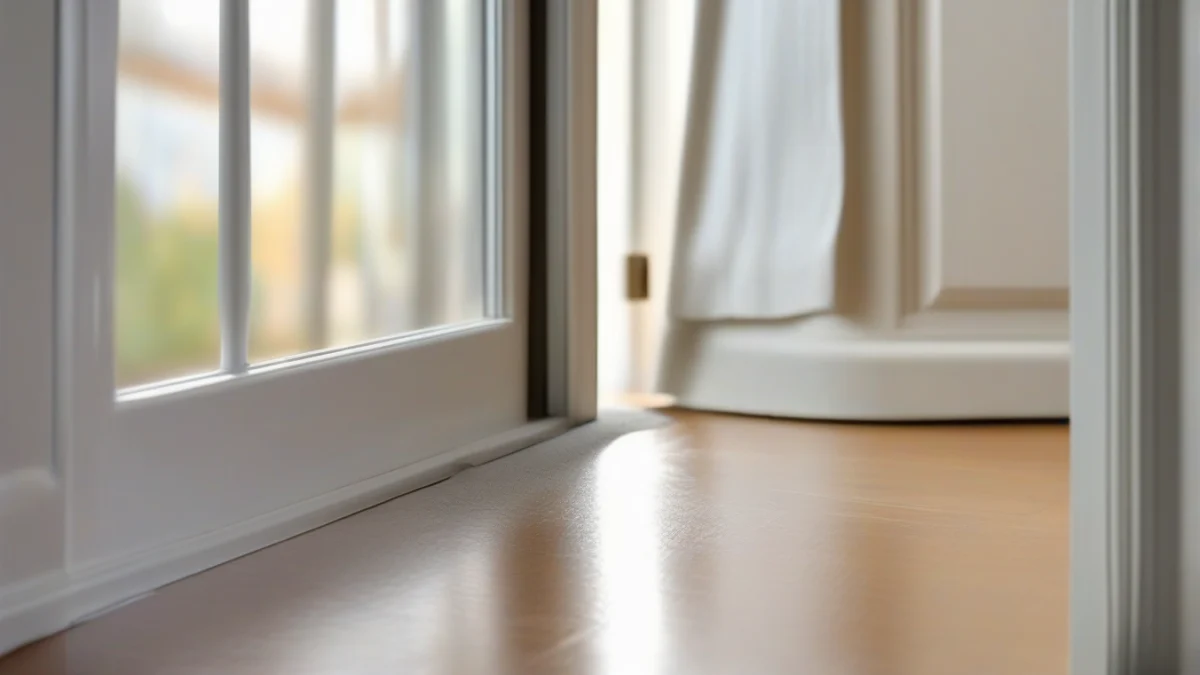
Sealing drafts can significantly reduce heating costs.
1
Seal Drafts Around Doors and Windows
Check for leaks at door edges with weather stripping or door sweeps. Caulk cracks around window frames and install outlet gaskets on exterior walls. These small gaps let cold air in and warm air out, wasting heat and money.
2
Add Window Film and Thermal Curtains
Shrink-wrap window film reduces heat loss by up to 55%. Combine with thermal curtains that have insulating lining to keep warm air inside after sunset. Open curtains on sunny days to let in free solar heat.
3
Use Ceiling Fans on Reverse Mode
Set ceiling fans to spin clockwise at low speed. This pushes warm air that rises near the ceiling back down to living areas, improving heat distribution and cutting heating load by about 10%.
4
Close Vents in Unused Rooms
Block or close vents in rooms you rarely use to focus heat where you spend time. This zone heating avoids wasting fuel or electricity on empty spaces and makes your main rooms warmer faster.
5
Set Programmable Thermostats and Timers
Program your thermostat to lower temperatures when you’re asleep or out. Timers on heaters ensure they only run when needed, avoiding wasted energy. This step directly targets the biggest energy use periods.
Practical help for cutting bills
How to Reduce Gas Bills
The guide in product 1 helps you apply these savings steps practically without major equipment upgrades.
Weather stripping or door sweeps for exterior doors
Caulk for window frame gaps
Outlet gaskets for wall sockets near exterior walls
Shrink wrap window film
Thermal curtains with insulating lining
Ceiling fan with reverse mode option
Programmable thermostat or timer for heaters
From HeaterGuides · our own guideWinter Heating Bill CutterSee what every heater in your home really costs, heat the rooms you use, and cut the waste in 30 days.Cost-per-hour tables for every heaterThermostat schedule and draft-proofing planRunning-cost and bill calculator (Excel)$14.99$9.99Get it for $9.99See what's inside and watch the 2-minute video →14-page printable PDF + Excel calculator · instant download · 30-day refund
How Smart Controls and Zone Heating Reduce Costs
Smart thermostats and zone heating save money by heating only occupied rooms at the right times without needing constant manual adjustments.
1
Install a Programmable or Smart Thermostat
These devices adjust your home’s temperature automatically based on schedules or occupancy sensors. Setting lower temps during sleep or away periods cuts heating bills by about 10% on average.
2
Set Lower Temperatures When Away or Asleep
Maintain a safe minimum temperature around 55°F to protect your furnace and prevent frozen pipes. Avoid turning the thermostat to very low settings that can cause damage or inefficiency.
3
Use Space Heaters for Occupied Rooms
Instead of heating the whole house, use portable heaters in rooms where you spend most time. This targeted heating reduces overall energy use and lets you keep the central thermostat lower.
4
Follow Safety and Efficiency Tips for Portable Heaters
Plug space heaters directly into wall outlets, keep a three-foot clearance from combustibles, and use models with tip-over and overheat protection. Never leave them unattended or sleep with them on unless rated for that use.
Smart heating control made simple
How to Reduce Gas Bills
Product 1 explains how to integrate programmable thermostats and zone heating without confusion or wasted effort.
What is the most economical heating system for a vacation home?
A propane heater designed for indoor use often works best for vacation homes because it heats quickly and doesn’t require electrical hookups. Wood or pellet stoves can also be economical if you have a ready fuel supply and proper venting. Electric heaters cost more to run continuously, so they suit short visits rather than extended stays.
How low can I safely set my thermostat to avoid frozen pipes?
Setting your thermostat below about 55°F risks freezing pipes and may void warranties on modern condensing furnaces. Keeping it at or above 55°F ensures the heating system runs properly and protects plumbing without wasting energy. For added safety, insulate pipes or use heat tape in vulnerable areas.
Are PEX pipes really more resistant to freezing damage?
Yes, PEX pipes are flexible and can expand slightly if water inside freezes, reducing the chance of bursting compared to rigid copper or PVC pipes. However, they are not freeze-proof; insulating pipes and maintaining minimum indoor temperatures remain essential to avoid costly damage.
How effective are chimney balloons and fireplace inserts?
Chimney balloons block cold drafts and prevent warm air from escaping up the chimney when the fireplace isn’t in use, cutting heat loss significantly. Fireplace inserts improve heating efficiency by containing and directing heat into the room rather than letting it go up the flue. Both reduce wasted heat but require proper installation and occasional checks.
Before you go · a welcome giftGet the Winter Heating Bill Cutter for $4.99See what every heater in your home really costs, heat the rooms you use, and cut the waste in 30 days. Normally $14.99; your welcome price saves $10.00. We'll email your link right now.One email with your link now. We never share your address.


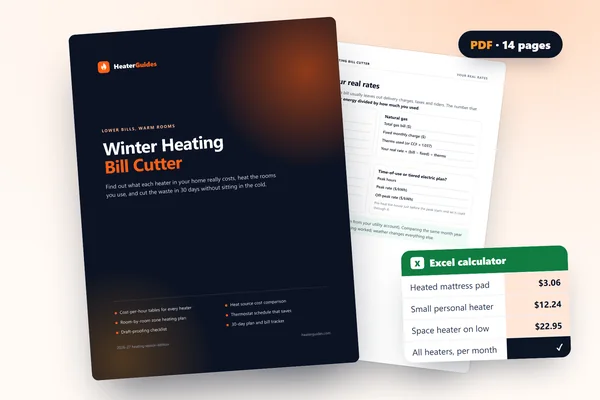 Winter Heating Bill CutterSee what every heater in your home really costs, heat the rooms you use, and cut the waste in 30 days.Cost-per-hour tables for every heaterThermostat schedule and draft-proofing planRunning-cost and bill calculator (Excel)