

Yes, temperature significantly affects sleep quality; optimal sleep typically occurs in a cool environment, around 60-67°F (15-19°C), promoting deeper rest.
Temperature plays a crucial role in sleep quality, yet many people overlook this factor when trying to improve their rest. Both your body temperature and bedroom environment significantly influence how quickly you fall asleep and the quality of sleep you achieve throughout the night.
NOX SLEEP
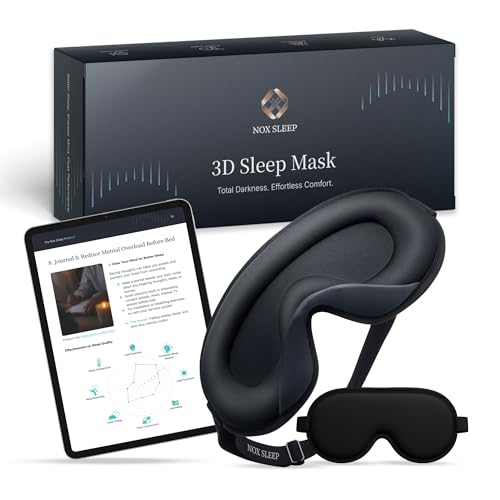
Nox Sleep 3D Sleep Mask for Men,…
- 𝐂𝐨𝐨𝐥, 𝐒𝐢𝐥𝐤𝐲 𝐂𝐨𝐦𝐟𝐨𝐫𝐭 𝐀𝐥𝐥 𝐘𝐞𝐚𝐫 – Made with temperature-regulating ice silk, the mask feels refreshingly cool in summer and cozy in w…
- 𝟏𝟎𝟎% 𝐋𝐢𝐠𝐡𝐭-𝐁𝐥𝐨𝐜𝐤𝐢𝐧𝐠 𝐃𝐞𝐬𝐢𝐠𝐧 – A thin ice silk nose bridge ensures total darkness. Perfect for travel or bright settings, it helps y…
- 𝐁𝐨𝐨𝐬𝐭𝐬 𝐑𝐄𝐌 𝐒𝐥𝐞𝐞𝐩 𝐟𝐨𝐫 𝐂𝐥𝐚𝐫𝐢𝐭𝐲 – 3D contours allow free eye movement during REM sleep. Wake up with a sharper mind, ideal for high p…

The Science Behind Temperature and Sleep
Your core body temperature follows a natural 24-hour cycle called circadian rhythm. It typically peaks in the late afternoon and reaches its lowest point around 4 AM. This temperature drop helps initiate sleep – when your core cools, your brain receives signals that it’s time to rest.
Research from Tohoku Fukushi University shows that thermal environment is one of the most important factors affecting human sleep. Both extreme heat and cold can disrupt sleep stages, particularly REM and deep sleep.
Ideal Sleeping Temperature
The optimal bedroom temperature for most adults falls between 60-67°F (15-19°C). This range supports your body’s natural cooling process while preventing discomfort from excessive cold.
Why This Range Works:
- Facilitates core temperature drop needed for sleep onset
- Minimizes wakefulness from thermal discomfort
- Supports natural sleep stage progression
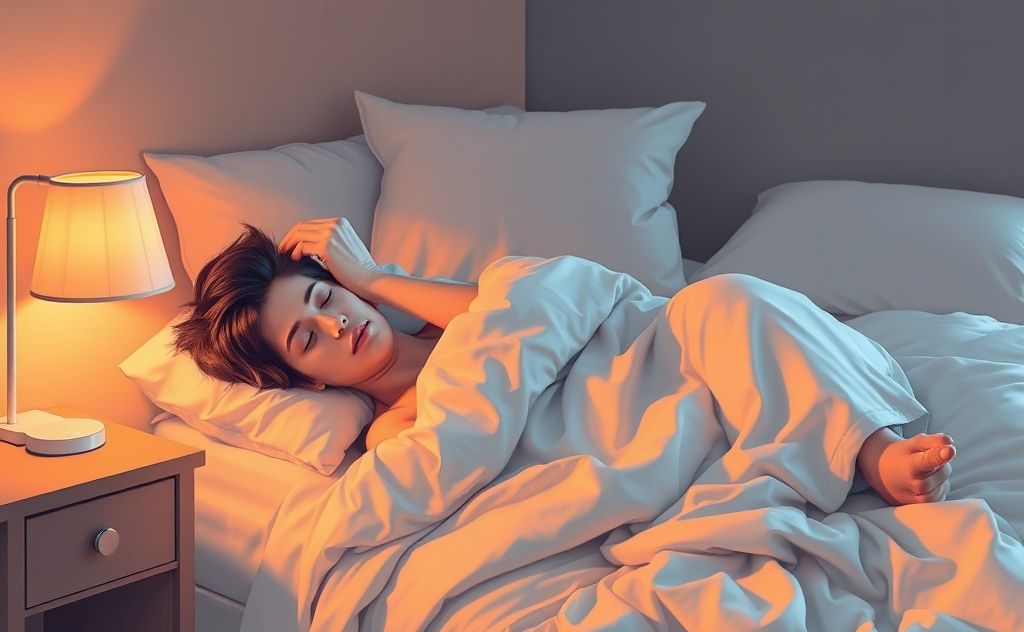
How Heat Disrupts Sleep
High temperatures interfere with sleep in multiple ways:
| Effect | Consequence |
|---|---|
| Increased wakefulness | More frequent awakenings |
| Reduced REM sleep | Less restorative sleep |
| Decreased slow wave sleep | Impaired memory consolidation |
Humidity exacerbates these effects by reducing the body’s ability to cool through sweat evaporation. For those struggling with hot sleep environments, consider a smart space heater that can maintain optimal temperatures throughout the night.
Cold’s Impact on Sleep Quality
While cold exposure generally affects sleep less than heat, extreme cold can still disrupt rest:
- Triggers shivering (involuntary muscle contractions)
- Causes frequent awakenings to adjust bedding
- Leads to vasoconstriction (reduced blood flow to extremities)
Interestingly, studies show cold affects cardiac autonomic responses during sleep even when it doesn’t alter sleep stages. For cold sleepers, a decorative electric heater can provide warmth without the fire hazard of traditional space heaters.
Practical Tips for Temperature-Regulated Sleep
For Hot Sleepers:
- Use breathable, moisture-wicking bedding
- Take a warm bath 1-2 hours before bed (paradoxically helps cooling)
- Keep feet outside covers to facilitate heat loss
For Cold Sleepers:
- Wear warm socks to bed (but not too tight)
- Use a heated mattress pad rather than extra blankets
- Pre-warm your sleep space before bedtime
Special Considerations
Age Differences
Older adults often sleep better in slightly warmer environments (68-70°F) due to reduced circulation and metabolic changes. Children and infants generally prefer temperatures similar to adults but are more sensitive to overheating.
Medical Conditions
Those with thyroid disorders, menopause, or circulatory issues may need personalized temperature adjustments. According to Sleep Foundation research, menopause-related hot flashes can significantly disrupt sleep, requiring cooler environments.
Technology Solutions
Modern sleep technology offers several temperature-regulation options:
- Smart thermostats with sleep programming
- Bed cooling systems (chilled water pads or air circulation)
- Temperature-regulating mattresses and pillows
Remember that consistency matters – sudden temperature fluctuations during the night are more disruptive than steady warmth or coolness. Experiment to find your ideal sleep temperature, then maintain it consistently for best results.
Related pick: Check today's price on Amazon

I am a mechanical engineer and love doing research on different home and outdoor heating options. When I am not working, I love spending time with my family and friends. I also enjoy blogging about my findings and helping others to find the best heating options for their needs.
Related guides

How Temperature Changes Impact Snowpack Levels
Every spring, water managers across the western United States hold their breath. They watch the snowpack, check the…

How Heat Affects Ceramics: Properties & Changes
Ceramics are fascinating materials. They're not just pottery and plates. At their core, they're inorganic, non-metallic solids forged…

How Temperature Changes Impact Polymer Performance
You've seen it happen: a polycarbonate housing that shatters in a cold warehouse, a nylon gear that softens…
