The best way to heat a screened-in porch is using a 1,500W infrared electric heater for efficient, fast, and targeted warmth that’s safe and easy to install. It heats people and objects directly, cutting energy waste and leaving air comfortable.
A screened porch is a tricky space to heat because it’s exposed to outdoor air but still sheltered enough to want warmth. Choosing the right heater depends on size, insulation, and how you use the porch.
This guide ranks the best heaters for screened porches, explains how to size and run them economically, and covers installation and safety details that most guides miss.
Top Heaters That Will Transform Your Screened Porch Experience
#1Best Infrared Heat
Uthfy 37″ Electric Patio Heater
Best for Screened porches up to 500 sq ft needing fast, clean warmth
This 1,500W infrared heater uses carbon fiber tubes to deliver near-instant, sun-like heat that warms people and objects directly without drying the air. It’s portable with a carry handle and offers two heat settings plus a 12-hour timer for convenience. UL waterproof rating and multiple safety features make it safe for outdoor use in variable weather.
Power 1500WCoverage Area 500 sq ftTimer 12 hoursHeating Modes 750W / 1500WSafety Tip-over & overheat protection, UL waterproof
Why it made the cut
Rapid heat in 1 second
Portable with carry handle
12-hour timer and thermostat
Waterproof and safe for outdoor use
Good to know
Coverage area up to 500 sq ft may be less for very cold climates
Remote control range limited to 12 feet
Skip it if Skip it if you want a gas-powered or flame-based heater instead.
Best for Porches up to 100 sq ft needing quiet, efficient infrared heat
This 1,500W infrared heater heats up in 3 seconds and runs silently, making it ideal for smaller porches or indoor/outdoor use. It has IP55 waterproof and dustproof ratings with ETL safety certifications including tip-over and overheat protection. Remote control and timer add ease of use.
Power 1500WCoverage Area 100 sq ftTimer 24 hoursSafety Tip-over and overheat protectionWaterproof Rating IP55
Why it made the cut
Very quiet operation
Waterproof and dustproof (IP55)
Remote control with 24-hour timer
Fast heat in 3 seconds
Good to know
Smaller coverage area of 100 sq ft
Short 3.2 ft power cord requires outlet proximity
Skip it if Skip it if you need to heat a larger porch or want a gas option.
Best for Large porches or open garages needing powerful propane heat
This propane heater delivers up to 18,000 BTU with three adjustable heat settings, covering up to 450 sq ft. It features dual safety with a tip-over switch and oxygen depletion sensor, automatically shutting off if unsafe. The foldable design and included tools make it easy to assemble and transport, but it requires a 20 lb propane tank.
Best for Porches up to 1,000 sq ft needing cozy infrared heat with visual appeal
This freestanding electric stove heater adds ambiance with 3D flame effects and glowing logs while delivering infrared heat for up to 1,000 sq ft. It has adjustable thermostat and flame brightness controls, allowing flame-only operation for year-round use. The unit is portable and designed to enhance décor as well as warmth.
Coverage Area 1,000 sq ftHeat Type InfraredFlame Effect 3D glowing logsControls Adjustable thermostat and flame brightness
Why it made the cut
Realistic 3D flame effect
Heats large areas up to 1,000 sq ft
Adjustable heat and flame settings
Portable with classic design
Good to know
Uses more electricity than compact heaters
No timer or remote included
Skip it if Skip it if you need a compact or outdoor-rated heater.
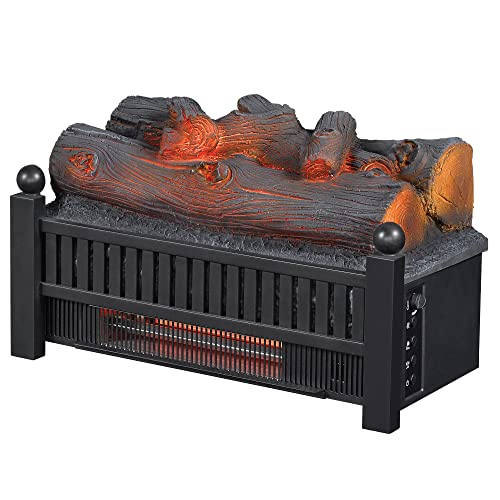
Best for Existing fireplaces needing supplemental infrared heat and ambiance
This plug-in electric log set fits existing fireplaces to provide infrared heat for up to 1,000 sq ft while creating realistic flames and crackling sounds. The remote controls heat, flame speed, brightness, sound volume, and timer, offering flexible comfort and ambiance year-round without venting or gas lines.
Coverage Area 1,000 sq ftHeat Type InfraredControls Remote with timer and flame/sound adjustmentsInstallation Plug-in fireplace insert
Why it made the cut
Easy plug-in installation
Realistic flames with crackling sound
Remote control with timer and settings
Heats up to 1,000 sq ft
Good to know
Requires existing fireplace for installation
Limited to fireplace area for heat distribution
Skip it if Skip it if you don’t have a fireplace or want a standalone unit.
The best way to heat a screened porch is with a 1,500W infrared electric heater because it warms people and objects directly, not just the air, making it efficient and comfortable even with some airflow.
Infrared heaters work by sending radiant heat that your skin and furniture absorb, which then re-radiate warmth, so you feel cozy without trying to heat the constantly moving air around a screened porch.
Many electric heaters include safety features such as automatic shut-off and tip-over switches. These protect against fire risks and make them safer for use outdoors or when you leave them on briefly without close supervision.
Propane patio heaters generate more heat but require proper ventilation since they burn fuel and release combustion gases. They tend to cost more to run and need more space clearance and safety checks.
Under-floor radiant heating is a permanent, energy-efficient option that warms the porch evenly from below. It’s quiet and invisible but involves costly installation and is best for permanent porch enclosures rather than screened ones.
Combining heating with insulation methods like weather-resistant porch curtains or vinyl panels significantly reduces heat loss. These barriers block wind and trap warmth, making even a modest heater much more effective.
Why Infrared Heaters Work
They heat surfaces and people directly, not the air, so even a breezy screened porch feels warmer faster without cranking up energy use.
Good for screened porches
Infrared heaters provide targeted warmth
Electric heaters have built-in safety features
Radiant floor heating offers even heat distribution
Less ideal for screened porches
Propane heaters need ventilation and have higher running costs
Electric fireplaces are mostly decorative and inefficient
Baseboard heaters limit furniture placement and can be noisy
Sizing and Running Costs for Porch Heaters
Most screened porches up to about 200 square feet heat well with a 1,000 to 1,500 watt infrared electric heater, which balances power and energy use without overspending.
Propane patio heaters deliver roughly 40,000 to 50,000 BTU per hour, enough to warm larger areas but at a fuel cost that adds up—typically burning about one pound of propane per hour.
Electricity costs for a 1,500W heater running 4 hours a night at 17 cents per kWh come to about $1.02 daily (1.5 kW × 4 hours × $0.17), or roughly $30 a month for regular use.
A propane heater burning one pound per hour at $3 per gallon of propane (about 4.2 pounds per gallon) costs around 72 cents per hour, or $2.88 for 4 hours of use.
Oversizing a heater wastes energy by cycling on and off too often or making the porch uncomfortably hot, while undersizing leaves cold spots and forces the heater to run continuously.
Heating a 200 sq ft screened porch
A 1,500W infrared heater warms this size porch effectively by radiating heat directly to people and objects. Running it for 4 hours each night uses 6 kWh. At 17 cents per kWh, that’s about $1.02 per night, typically less than fuel-based options.
Heater Placement Matters
Mount your heater on a wall or ceiling away from wind and with a clear line to seating areas for best coverage and safety.
Choosing Heater Size
Measure porch square footage
Match heater wattage to area (1,000–1,500 W for typical porches)
Consider insulation and wind exposure
Calculate running costs for your fuel choice
Best outdoor heater for screened porch
ThermoMate Outdoor Indoor Electric Patio Heater
ThermoMate Outdoor Indoor Electric Patio Heater offers 1,500W infrared heat ideal for screened porches, combining efficient warmth with outdoor durability.
The best way to heat a screened porch starts with careful heater placement and solid insulation to trap warmth where you want it.
Mount electric infrared heaters on walls or ceilings at 7 to 8 feet high to cover seating areas evenly without interfering with movement or furniture. This height balances radiant heat dispersion and safety clearance.
Screened porches lose a lot of heat through their open sides. Weather-resistant vinyl panels or thermal curtains can enclose the space temporarily, cutting drafts and blocking wind. Vinyl panels are clear and durable, while thermal curtains add an insulating layer that’s easy to open or close.
Floor insulation matters more than many expect. Use rigid foam boards or insulated mats under porch flooring to reduce cold seeping up from below. Walls and ceilings benefit from spray foam insulation in cavities, sealing gaps better than fiberglass batts and preventing heat loss around framing.
Apply window insulation sheets over screened openings to add a thin, transparent barrier against cold air. These sheets trap a layer of warm air and reduce chill without blocking light or views.
Ventilation Warning
If you use a propane heater on your screened porch, ventilation is non-negotiable. Combustion produces carbon monoxide that can build up dangerously. Make sure at least one side of the porch remains open or install vents to maintain a steady airflow.
1
Mount heaters at 7 to 8 feet
Ensure heaters are securely attached and follow manufacturer clearance specs.
2
Install vinyl panels or thermal curtains
Choose panels or curtains that fit tightly and can be opened when not heating.
3
Insulate floors with foam or mats
Lay insulation beneath any flooring you install or upgrade.
4
Spray foam walls and ceiling cavities
Seal leaks and gaps around framing and junctions.
5
Cover screened windows with insulation sheets
Apply sheets smoothly and secure edges to prevent drafts.
6
Maintain ventilation for any propane heater
Keep some screened openings unobstructed or add vents.
Installation Essentials
Heater mounted 7–8 feet high
Weather-resistant vinyl panels or thermal curtains installed
Floor insulation under porch surface
Spray foam insulation in wall and ceiling cavities
Window insulation sheets on screened areas
Adequate ventilation if using propane heater
Worked example
Imagine a porch measuring 12 by 14 feet with a wooden floor over a crawl space. Mount a 1,500W infrared heater on the wall about 7.5 feet high. Around the sides, install vinyl panels and insulate the ceiling cavity with spray foam. Underneath, place foam board insulation beneath the floor, and cover the screened openings with window insulation sheets. This combination traps heat using direct radiant warmth and cuts drafts, reducing heat loss roughly 30% compared to no insulation.
Safety and Certification for Porch Heating Devices
Not all heaters suit screened porches, especially if you want to avoid risks and meet code requirements.
Look for electric heaters with UL, ETL, or CSA certification. These listings verify the heater passed rigorous safety tests, including electrical and fire hazards.
Tip-over and overheat protection are essential for portable or freestanding electric heaters. These features shut off the heater if it falls or gets too hot, reducing fire risk.
Propane heaters need oxygen depletion sensors (ODS) and constant ventilation. The sensors cut off fuel if oxygen drops too low, preventing carbon monoxide buildup. Without ventilation, even these sensors can’t eliminate risk.
No Ventless Gas Heaters for Porches
There are no ventless natural gas or propane heaters approved for screened porches or similar semi-outdoor spaces. Ventless gas heaters are banned or restricted in many places due to carbon monoxide risks. Always use vented models outdoors, never ventless indoors or on porches.
Electric fireplaces often look great and add ambiance but don’t heat screened porches effectively. Their heat output is generally low and uneven, so use them as decoration rather than your primary heat source.
Extension Cord Warning
Never plug your porch heater into an extension cord or power strip. Use a dedicated 120V outlet rated for the heater’s draw. Keep at least 3 feet clearance around any heater to prevent ignition of nearby materials.
Safety Features to Confirm
UL, ETL, or CSA listing for electric heaters
Tip-over and overheat shutoff
Oxygen depletion sensor for propane heaters
Proper ventilation for combustion heaters
No use of extension cords
Maintain 3 feet clearance from combustibles
What Competitors Miss About Porch Heating
Heating a screened porch works best when you combine a 1,500W infrared heater with insulated curtains or clear vinyl panels, trapping up to 40% more heat inside. The infrared heater warms people and objects directly, while the curtains reduce heat loss through wind and drafts.
Maintenance of those insulated curtains or panels is crucial. Dirt, moisture, or tears can drop their insulation value significantly, so regular cleaning and prompt repair keep your porch warmer and your energy bills lower.
A programmable thermostat adds another layer of control and savings. Setting the heater to run only when you use the porch cuts wasted energy. For example, running a 1,500W heater for 4 hours nightly at 17 cents per kWh costs about $0.10 a night versus double that for an 8-hour run.
Propane heaters deliver strong, immediate heat but require ventilation and regular maintenance to avoid carbon monoxide risks and keep burners efficient. They typically wear faster outdoors than electric heaters, which last longer with fewer moving parts and no fuel storage concerns.
Integrating porch heating with your home’s HVAC system is often overlooked. Adding a dedicated zone with a smart thermostat to control an electric heater or under-floor radiant system can keep the porch cozy without manual adjustments and cut costs by running only as needed.
Curtain Care
Keep porch curtains clean and dry to preserve their insulating properties. Check seams and grommets every season to prevent drafts and heat loss.
Before Winter Checklist
Inspect and clean insulated porch curtains or vinyl panels
Test your infrared heater and propane heater for proper function
Set programmable thermostat schedules for porch heating
Check ventilation for propane heaters
Consider consulting an HVAC professional for porch system integration
More Questions, Answered
Can I use a ventless gas heater safely on a screened porch?
Ventless gas heaters are not recommended for screened porches because they release combustion byproducts directly into the air, which can accumulate without proper ventilation. Screened porches typically lack the airtightness needed to control these emissions safely. If you choose a propane heater, ensure it is designed for outdoor or well-ventilated spaces and always use a working carbon monoxide alarm nearby.
Is radiant floor heating practical for existing screened porches?
Radiant floor heating offers even, comfortable warmth and is very efficient, but retrofitting it to an existing screened porch can be complex and costly. It requires access under the floor or removal of flooring to install the heating elements and insulation beneath. For many, portable infrared heaters provide a more practical and affordable way to heat without major renovation.
What insulation materials work best for porch walls and ceilings?
Closed-cell spray foam insulation is the most effective for porch walls and ceilings as it seals gaps, blocks drafts, and adds R-value. Rigid foam boards also work well, especially when combined with weather-resistant vinyl panels or insulated curtains to trap heat. Avoid materials that absorb moisture, as screened porches are exposed to humidity and rain.
Are electric fireplaces effective for heating outdoor screened porches?
Electric fireplaces mainly serve as decorative features and produce limited heat output. They are not effective for heating an entire screened porch because their warmth is localized and less intense than infrared or propane heaters. Use them to add ambiance alongside a more powerful heating method if desired.
How should I ventilate when using propane heaters on a porch?
Proper ventilation means keeping enough open airflow to prevent buildup of carbon monoxide and other combustion gases. On a screened porch, this typically requires leaving some windows or doors open or using a heater rated for outdoor use that includes an oxygen depletion sensor. Never seal a porch tightly when running a propane heater, and always keep a carbon monoxide alarm installed nearby.