

The best way to heat a garage is by using a propane or natural gas heater, which provides efficient and effective warmth for larger spaces.
Insulate well, use electric heater or mini-split for efficiency.
Working in a freezing garage? Cold floors, numb fingers, and uneven temperatures make it unbearable. Whether it’s a workshop, gym, or storage space, an unheated garage can be unusable in winter.
The right garage heating solution can transform your space into a comfortable, year-round area. In this guide, we’ll cover the most effective methods, from insulation upgrades to advanced heating systems like mini-splits. Let’s dive in!
Key Takeaways
- Insulation is critical—seal gaps and upgrade walls/doors first.
- Electric heaters are affordable but best for small garages.
- Ductless mini-splits offer year-round heating/cooling (higher upfront cost).
- Propane heaters work fast but require ventilation.
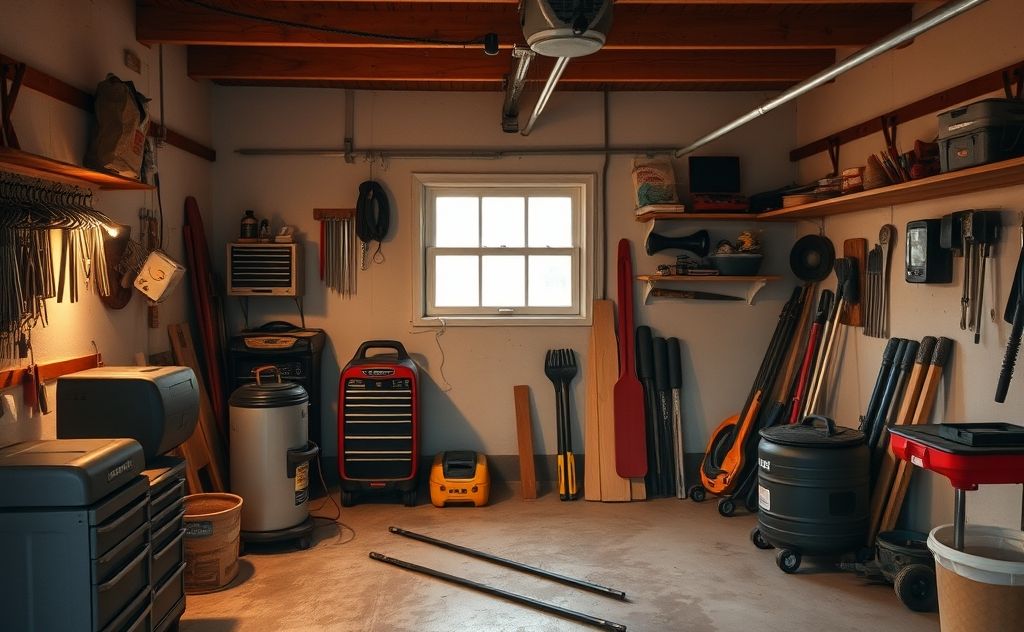
1. Insulate Your Garage First
Before investing in heaters, address insulation. A well-insulated garage retains heat longer, reducing energy costs. Key steps:
- Seal gaps: Use weatherstripping around doors/windows.
- Wall insulation: Fiberglass or foam boards (R-13 or higher).
- Garage door kit: Reflective foil or polystyrene panels.
Without insulation, even the best heater will struggle against drafts.
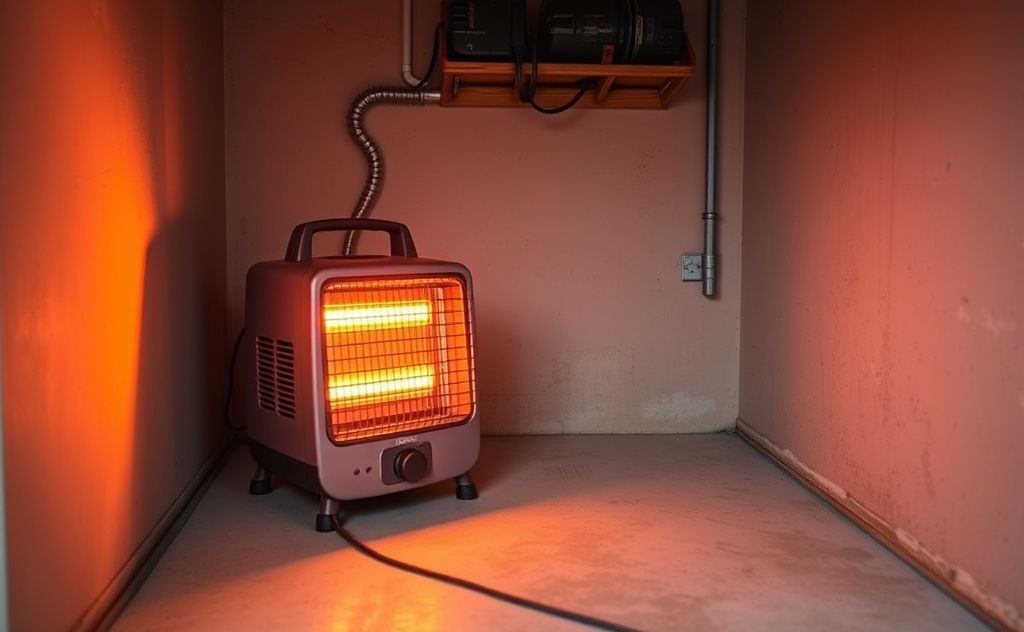
2. Electric Heaters (Best for Small Garages)
Portable electric heaters are budget-friendly and easy to install. Options include:
- Oil-filled radiators: Silent, steady heat (ideal for workshops).
- Ceramic heaters: Quick warmth but noisy.
- Infrared heaters: Direct heat (efficient for spot heating).
Drawback: High electricity use for large spaces.
3. Ductless Mini-Split Systems
For a permanent solution, mini-splits provide heating and cooling. Benefits:
- Energy-efficient: Uses less power than electric heaters.
- Quiet operation: No noisy fans.
- Zoned heating: Control temps in specific areas.
Costs $1,500–$3,500 installed but pays off long-term.
4. Propane Heaters (Fast but Needs Ventilation)
Propane torpedo heaters deliver rapid heat for large garages. Considerations:
- Ventilation required: Releases carbon monoxide.
- Fuel costs: Tanks need frequent refills.
- Best for: Temporary use (e.g., weekend projects).
5. Radiant Floor Heating (Luxury Option)
For a high-end setup, install electric or hydronic floor heating. Pros:
- Even heat distribution: No cold spots.
- Hidden system: No space taken by units.
Cons: Expensive ($5–$12/sq ft) and complex installation.
Comparison Table: Garage Heating Options
| Method | Cost | Best For | Pros | Cons |
|---|---|---|---|---|
| Electric Heater | $50–$300 | Small garages | Portable, easy setup | High energy use |
| Mini-Split | $1,500–$3,500 | Year-round use | Energy-efficient, quiet | High upfront cost |
| Propane Heater | $100–$500 | Large spaces | Fast heating | Needs ventilation |
| Radiant Floor | $5–$12/sq ft | Permanent luxury | Even heat | Expensive install |
Final Thoughts
Choose a garage heater based on your budget, space size, and usage. Start with insulation, then pick between electric heaters (budget), mini-splits (long-term), or propane (quick heat). For more tips, explore our guide on garage insulation.
Related pick: Check today's price on Amazon

I am a mechanical engineer and love doing research on different home and outdoor heating options. When I am not working, I love spending time with my family and friends. I also enjoy blogging about my findings and helping others to find the best heating options for their needs.
Related guides

The Best Electric Heating for Cozy, Cost-Efficient Warmth
The best type of electric heating is often considered to be infrared heating, as it efficiently warms spaces…
Best Window Shades to Block Heat: A Must-Have for Summer!
Beat the heat with the best window shades! Find stylish options that keep your home cool and energy-efficient.…
Best Heat Pump Brands: Expert Picks for Year-Round Comfort
The best company for heat pumps, known for quality and efficiency, is often considered to be Trane, offering…
