

You pulled the bag of snow crab legs from the freezer, and now they sit there staring at you. You’ve been burned before: rubbery meat, dry strands, that faint fishy smell that means you overcooked them again. Crab legs are already cooked when you buy them, so reheating is just a gentle warming process, not a cooking process. Most people treat them like raw meat and blast them with heat, which ruins the texture.
This guide covers every method that actually works, with exact times, internal temperature targets, and the science of why moisture matters. You’ll learn how to thaw properly, how to steam without a steamer basket, why boiling is a trap, and what to do with the meat if you mess up. By the end, you’ll have a method that works every time—and a backup plan.
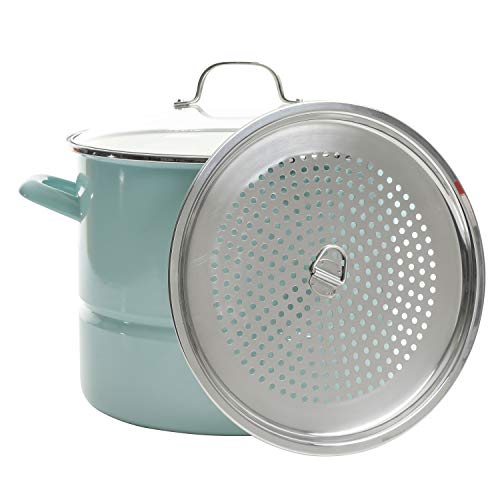
Kenmore
Kenmore Broadway 16-Quart Stock Pot With Steamer…
- STEAM TO PERFECTION: Stainless steel insert seamlessly fits over steamer pot for perfectly steamed tamales, lobster, mussels, clam…
- BEAUTIFUL AND CAPABLE: Durable steel pot construction promotes quick, precise heating; brilliant blue hard enamel exterior cleans…
- LARGE STURDY HANDLES: Make lifting and moving the pot easy even when fully loaded
If you don’t own a proper pot with a steamer insert, the Kenmore Broadway 16-Quart Stock Pot is a solid choice. The stainless steel insert fits snugly, so you can steam a full batch of legs without rigging foil balls or colanders. It also doubles for boiling corn and potatoes, which you’ll want for the sides.

Why Reheating Crab Legs Is Tricky (The Science of Moisture)

Crab meat is about 80% water. The proteins in that meat coagulate at around 140°F, but they tighten and squeeze out water if you push past 160°F. That’s the rubbery, stringy disaster you’ve had before. The goal is to get the center of the meat to 165°F without letting the surface exceed 170°F for more than a minute.
Steam is the best heat transfer medium here because it carries more energy than dry air but doesn’t leach flavor like boiling water. Steam condenses on the cold shell, releasing latent heat that warms the meat gently. Dry oven heat at 350°F will work, but it also dries the surface unless you wrap the legs in foil.
Microwaves excite water molecules, which can heat unevenly and create hot spots that boil the meat from the inside. That’s why you get those exploded, rubbery sections. Air fryers use rapid air circulation, which is dry heat, so they work only if you spritz the legs with butter or oil to add moisture back.
The single biggest mistake is reheating frozen legs directly. Ice crystals have already ruptured some cell walls, and adding high heat makes it worse. Thawing in the fridge overnight or in cold water for 30 minutes gives you a fighting chance.
The Golden Rule: Thaw Before You Heat
Frozen crab legs straight into steam? You’ll get uneven heating: the shell might be hot enough to burn your fingers while the meat inside is still cold. Thawing is non-negotiable for good texture.
Plan ahead: move the bag from the freezer to the fridge 12 to 24 hours before you want to eat. That slow thaw lets the meat reabsorb moisture. If you’re short on time, seal the bag in a bowl of cold water and change the water every 15 minutes. A pound of legs thaws in about 30 minutes this way. Never use warm water—it starts cooking the outer layer.
Once thawed, pat the legs dry with paper towels. Excess water on the shell dilutes the flavor and makes steaming take longer. You’ll also want to crack the shell lightly with kitchen shears or a cracker before reheating. This lets steam reach the meat directly and makes it easier to pull apart after.
Method 1 – Steaming (The Overall Best Way)
Steaming is the gold standard for a reason: it adds moisture instead of removing it. You need a pot with a lid and a steamer basket or insert. If you don’t have one, you can use a colander and foil (details below).
Here’s the process:
- Fill the pot with about 2 inches of water. Add a bay leaf and a few peppercorns if you want subtle flavor.
- Bring the water to a rolling boil, then reduce to medium-low so it’s at a gentle simmer with steady steam.
- Place the crab legs in the steamer basket, making sure they don’t touch the water. Overlap is fine, but don’t pile them more than 2 layers deep.
- Cover with a tight-fitting lid. Set a timer for 5 minutes for thawed legs (8 minutes if you skipped thawing, but don’t skip it).
- Check the internal temperature at the thickest part of the leg with an instant-read thermometer. You want 165°F. If you don’t have a thermometer, insert a toothpick into the meat—it should come out hot to the touch and slightly steamy.
No steamer basket? Fold a 2-foot piece of heavy-duty aluminum foil into a loose coil and place it at the bottom of the pot. Set the crab legs on top of the coil, add water below, and cover. The coil keeps the legs above the water. Works perfectly, and you don’t need any extra gear.
Steaming preserves the natural sweetness and keeps the meat juicy. The only downside is that you can’t season the meat directly—the flavor stays on the shell. That’s fine because you’ll have melted butter on the side.
Method 2 – Oven Baking (Best for Large Batches)
Steaming a dozen legs takes multiple batches. The oven handles big loads at once, which is why it’s the go-to for parties.
Heat the oven to 350°F. Lay the thawed legs in a single layer on a rimmed baking sheet. Brush each leg with melted butter or a mix of butter and lemon juice—this adds moisture back and gives flavor. Cover the sheet tightly with foil, making sure no gaps. Bake for 10 minutes for thawed legs, 15 to 18 minutes if they’re still slightly icy (but thaw first).
The foil traps steam, so the legs essentially steam in their own moisture. Check the temperature at the thickest part. If you don’t have a thermometer, poke a fork into the meat—it should be hot and the shell should be warm to the touch but not scalding.
The trade-off: the oven takes longer to preheat, and you have to work in batches if you’re doing more than one sheet. Also, the butter can burn on the baking sheet if you’re not careful—line it with parchment paper to avoid a smoky kitchen.
One thing I’ve noticed: oven-baked legs come out slightly drier than steamed ones, even with the foil. The surface gets a bit more heat because the oven air is dry. To compensate, add a small dish of water in the oven to create steam, or brush the legs halfway through.
Method 3 – Boiling (Fastest, But Risky)
Boiling is the method everyone tries first because it’s fast. Drop the legs in boiling water, wait 3 minutes, done. But here’s the problem: the water leaches out the crab’s natural flavor and salt. The meat also absorbs water, which makes it waterlogged and mushy. And if you leave them in for even a minute too long, the proteins tighten and turn rubbery.
If you must boil, use a well-salted water (1 tablespoon of salt per quart) and keep the boil at a gentle simmer, not a rolling boil. Drop the legs in, cover, and turn off the heat. Let them sit for 4 minutes, then check. The residual heat does the work without aggressive bubbling.
Even with that technique, you’ll lose some flavor. The best use for boiling is if you’re also cooking corn or potatoes in the same pot—the crab flavor seasons the vegetables, and the vegetables give the crab some flavor back. But for the purest taste, steam wins.
Method 4 – Microwave (Only for Desperate Times)
I’ll be honest: microwaving crab legs is a last resort. The microwave heats unevenly, and you’ll get hot spots that overcook the meat. But if you’re at work with a frozen bag and a break room microwave, here’s how to minimize damage.
Place the thawed legs in a microwave-safe dish. Add 2 tablespoons of water or a splash of white wine. Cover with a damp paper towel or a microwave-safe lid that traps steam. Microwave on medium power (50%) for 1 minute per pound of legs. Let them rest for 2 minutes before checking the temperature. The rest is critical—the meat continues to cook and distributes heat.
You’ll still get some rubbery spots. The texture won’t be great, but it’s edible. Don’t microwave more than 4 legs at once—anything bigger cooks too unevenly.
Bonus Method – Air Fryer (Crispy Edges, Juicy Center)
The air fryer is the new kid on the block, and it works better than you’d expect. The rapid hot air gives the shell a slight crispiness while the meat stays moist if you add a little fat.
Preheat the air fryer to 380°F. Brush the thawed legs with melted butter or olive oil. Place them in the basket in a single layer, leaving space between legs for air to circulate. Cook for 5 to 6 minutes, then flip and cook 1 to 2 minutes more. Check the internal temperature—you want 165°F.
The key is the butter or oil. Without it, the dry air will dry out the meat. With it, the surface caramelizes slightly, giving a nice texture contrast. I’ve found that snow crab legs work better than king crab legs in the air fryer because they’re thinner and cook more evenly.
The downside: you can only fit 3 to 4 legs at a time, so it’s not for large batches. But for a single serving, it’s fast and produces a unique result you can’t get from steaming.
How to Keep Crab Legs Warm for a Party (Chafing Dish & Foil Tricks)
You’ve steamed a big batch, but the party starts in 20 minutes. You don’t want the legs to cool down and dry out. Here’s how to hold them.
Preheat a chafing dish with a shallow water bath. Place the legs in a single layer on a tray, cover with foil, and set over the water bath. The water should be at a gentle simmer, not boiling. This keeps the legs at about 140°F to 150°F—safe but not cooking further.
No chafing dish? Use a large skillet with a tight lid. Add a quarter cup of water, bring to a simmer, then turn off the heat. Add the legs, cover, and they’ll stay warm for up to 30 minutes. Or wrap them in foil with a few ice cubes (the cubes melt and steam). Place the foil packet in a cooler lined with towels—that works for up to an hour.
Don’t leave crab legs out at room temperature for more than 2 hours. Bacteria grow quickly on seafood, and you don’t want anyone getting sick.
How to Tell If Reheated Crab Is Bad (Safety Check)
You reheated a plate of legs from last night, but something smells off. Here’s how to tell if the crab is safe to eat.
First, trust your nose. Fresh crab smells sweet and briny, like the ocean. If it smells sour, ammonia-like, or fishy in a bad way, toss it. Second, check the texture. If the meat is slimy or mushy, that’s a sign of spoilage, not just overcooking. Third, look at the color. Cooked crab meat is white with red/orange highlights. If you see any gray or green spots, that’s mold or bacteria.
Reheated crab should be piping hot all the way through—165°F minimum. If you’re reheating leftovers that were already reheated once, don’t do it again. The risk of bacterial growth increases with each cycle. Eat it fresh or freeze it in an airtight container for up to 2 months, but only freeze once.
What to Serve with Reheated Crab Legs (Butter Sauces & Sides)
Good crab legs deserve more than plain butter. Here are a few sauces that elevate the meal.
Classic clarified butter: melt a stick of butter slowly, skim off the foam, and you’ll get a clear, rich sauce that doesn’t burn. Add a squeeze of lemon and a pinch of Old Bay seasoning for a kick.
Garlic herb butter: melt 4 tablespoons of butter, add 2 minced garlic cloves, a teaspoon of chopped parsley, and a splash of white wine. Simmer for 2 minutes, then serve.
Spicy remoulade: mix mayonnaise, Dijon mustard, hot sauce, capers, and lemon juice. This is great for dipping the meat cold if you have leftovers.
For sides, keep it light: corn on the cob, roasted potatoes, or a simple green salad. The crab is the star, so don’t overload the plate.
Frequently Asked Questions
Can I reheat crab legs twice?
Technically yes, but you shouldn’t. Each reheating cycle breaks down more proteins and dries out the meat. The texture will be noticeably worse. If you have leftovers after reheating, pick the meat out and use it in crab cakes or a dip instead of reheating again.
How long do I steam frozen crab legs?
If you absolutely must steam frozen legs, add 3 to 4 minutes to the standard time. So 8 to 9 minutes for thawed legs becomes 12 minutes. But the texture won’t be as good. Thaw first.
Is it better to reheat crab legs in the shell or out?
In the shell, always. The shell acts as a barrier that slows heat penetration and keeps the meat moist. Shelled meat dries out quickly in any method. Plus, the shell adds flavor during steaming.
What’s the best way to reheat king crab legs specifically?
King crab legs are thicker, so they need a bit more time. Steam for 7 to 8 minutes instead of 5. Check the temperature at the thickest joint. The oven method also works well—bake for 12 minutes at 350°F with foil.
Can I use a rice cooker to steam crab legs?
Yes, if your rice cooker has a steam basket. Add a cup of water, place the legs in the basket, and press the steam function. It works, but the basket is small, so you’ll do multiple batches. A stock pot is more practical for bigger loads.
What Actually Matters (Your Cheat Sheet)
- Thaw crab legs in the fridge overnight or in cold water for 30 minutes—never microwave-thaw them.
- Steam is the best way to heat crab legs: 5 minutes for thawed legs, internal temp 165°F.
- Use a foil coil or colander if you don’t have a steamer basket—no extra gear needed.
- Oven baking works for large batches, but always cover with foil and brush with butter to retain moisture.
- Boiling is risky: it leaches flavor and turns meat rubbery. If you must, use a gentle simmer and turn off the heat.
- Air fryer gives crispy edges but only for small batches—spritz with oil or butter first.
- Never reheat crab more than once. Use leftover meat in crab cakes or dips instead.
For more details on specific crab types, check out our king crab guide and cooked crab legs guide. Both go deeper into timing and troubleshooting.

HeaterGuides covers home heating, water heating and HVAC: how the equipment works, what it costs to run, and how to use it safely.
