

The best temperature setting for a heat pump in winter is typically between 68°F to 72°F (20°C to 22°C) for optimal comfort and efficiency.
Struggling to balance warmth and energy bills with your heat pump this winter? You’re not alone. Many homeowners face high costs, uneven heating, or efficiency concerns when temperatures drop.

AQUASTRONG
Swimming Pool Heater for Above Ground and…
- All-Season Pool Comfort:Featuring innovative dual-mode temperature control, this heat pump precisely heats water between 41–104°F…
- Professional Thermal Performance:Featuring a high-output heating module, this 4-season system is designed for above ground pools.…
- Energy Efficiency Redefined:With a high 5.5 COP, this ultra-efficient heat pump employs a powerful engine to ensure consistent ene…
The right heat pump temperature setting can slash energy use while keeping your home cozy. In this guide, we’ll cover the ideal winter range, common mistakes, and expert tips to optimize performance. For advanced tuning, consider a professional maintenance check.
Key Takeaways
- 68°F (20°C) is the sweet spot for efficiency and comfort.
- Avoid drastic setbacks—heat pumps work best at steady temperatures.
- Use supplemental strategies like sunlight and insulation to boost warmth.
- Regular maintenance ensures peak winter performance.
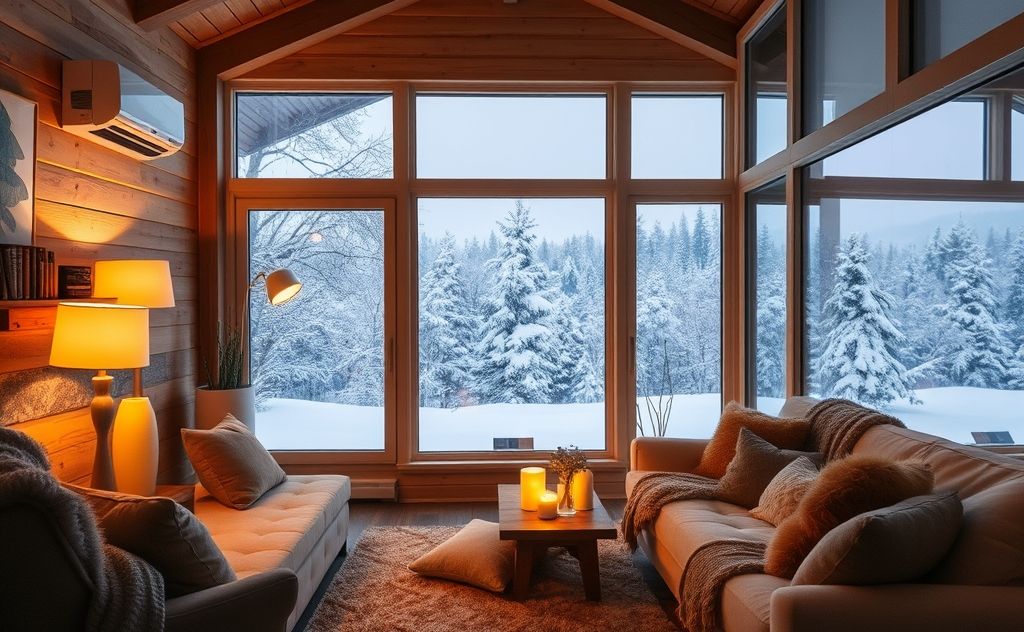
Why 68°F Is the Ideal Winter Heat Pump Setting
Optimal winter heat pump temp: 68°F (20°C) for efficiency and comfort. This temperature balances warmth without overworking the system. Unlike furnaces, heat pumps lose efficiency when forced to recover from large setbacks (e.g., dropping to 55°F overnight). The U.S. Department of Energy confirms that moderate settings reduce auxiliary strip heat use, which can spike energy bills by up to 50%.
Heat pumps transfer heat rather than generate it, making them most effective at maintaining consistent temps. A DOE study found that systems running at 68°F used 20–30% less energy than those set above 72°F.
When to Adjust the Temperature
- Daytime (occupied): 68°F–72°F if occupants prefer warmer temps.
- Night/unoccupied: Lower by 2–3°F (no more) to save energy.
- Extreme cold (below 25°F): Avoid setbacks—use insulation or space heaters for targeted warmth.
Common Winter Heat Pump Mistakes
1. Overusing Emergency Heat
Relying on auxiliary heat strips (often labeled “Emergency Heat”) skyrockets costs. These strips activate when the pump struggles to meet large temperature gaps. Instead, keep settings steady and seal drafts.
2. Frequent Temperature Changes
Unlike gas furnaces, heat pumps recover slowly from setbacks. A 10°F drop forces the system to work harder, negating savings. “Think of it like cruise control—small adjustments are better than stop-and-go,” advises HVAC expert Laura Meeks.
3. Ignoring Thermostat Placement
Wall-mounted units read temperatures at height, where heat rises. If your thermostat is in a drafty hallway, consider a smart thermostat with remote sensors for accurate readings.
| Scenario | Recommended Action |
|---|---|
| Rarely used rooms | Close vents and doors to redirect warmth |
| Sunny days | Open curtains for passive solar heating |
| Sub-freezing temps | Set to “Auto” mode (not “On”) to prevent cold airflow |
Boosting Efficiency in Cold Climates
For regions with winters below 25°F, pair your heat pump with:
- Insulation upgrades: Focus on attics and windows.
- Ceiling fans: Run clockwise on low to circulate warm air.
- Professional servicing: Annual checks ensure refrigerant levels and coils are optimized.
The Air-Conditioning, Heating, and Refrigeration Institute (AHRI) notes that modern cold-climate heat pumps (like Mitsubishi Hyper-Heat) maintain 100% efficiency at 5°F.
FAQ Section
Can I set my heat pump to 72°F in winter?
Yes, but expect higher energy use. Each degree above 68°F increases consumption by 3–5%.
Why does my heat pump blow cold air in winter?
This is normal during defrost cycles. If it persists, check refrigerant levels or thermostat settings.
Should I cover my outdoor unit in winter?
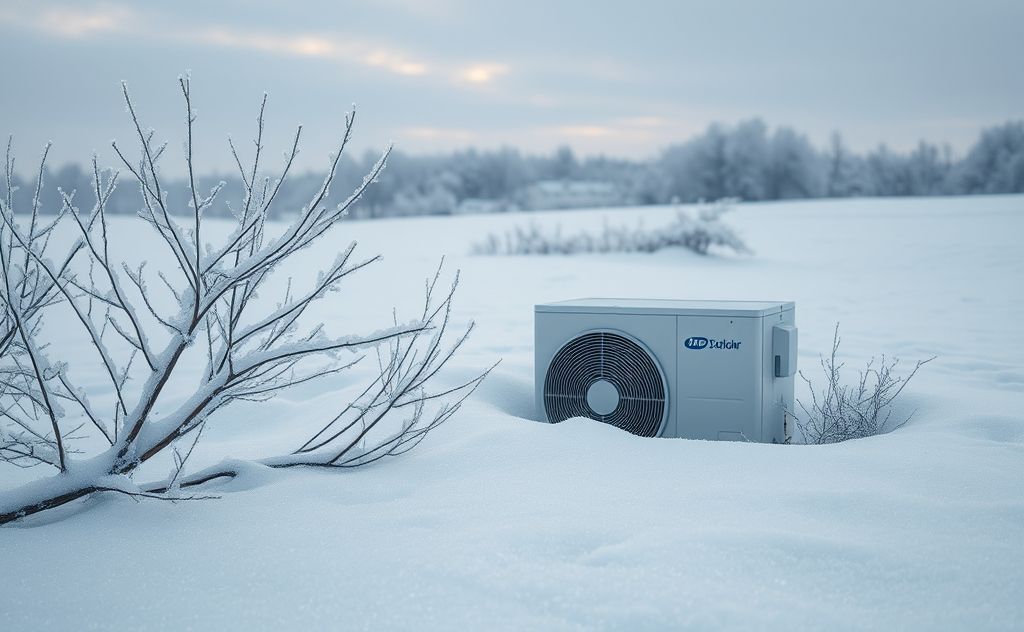
No—this restricts airflow. Clear snow/debris instead.
Final Words
Set your heat pump to 68°F for winter efficiency, tweak slightly for comfort, and avoid drastic changes. Pair with smart habits like leveraging sunlight and sealing drafts. For personalized advice, consult an HVAC pro.
Related pick: Check today's price on Amazon

I am a mechanical engineer and love doing research on different home and outdoor heating options. When I am not working, I love spending time with my family and friends. I also enjoy blogging about my findings and helping others to find the best heating options for their needs.
Related guides

Best Bathroom Exhaust Fan with LED Light & Heater
Tired of cold, foggy bathrooms? Compare the Best Bathroom Exhaust Fan With LED Light And Heater to warm,…
Heat-Resistant Edge Controls That Hold Hair Through Styling
Master sleek styles with the best edge control for heat, designed to withstand high temperatures without flaking or…
Top 5 Curtains for Heat Reduction: Cooler Rooms Instantly
Keep your home cooler and slash energy bills with the best curtains for heat reduction designed to block…
