Best Vented Heaters for Home Heating (2026 Guide)
On this page 6 sections
- Why Choose a Vented (Direct Vent) Heater Over Vent-Free?
- Propane vs. Natural Gas: Which Fuel Makes Sense for Your Home?
- Real-World Operating Costs: What Will This Actually Cost Per Winter?
- Installation Requirements, Clearances, and DIY Feasibility
- Faq about best vented heater for home heating:
- Conclusion
When it comes to home heating, a vented (direct vent) heater offers the perfect balance of warmth, safety, and efficiency. Unlike vent-free models, these units draw combustion air from outside and expel exhaust outdoors, protecting your indoor air quality. Below, we analyze the best vented heaters for home heating, focusing on real-world costs, installation realities, and comfort features that matter most.
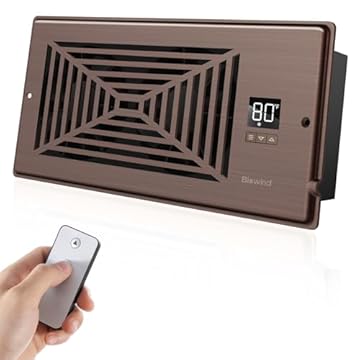
For noise-sensitive environments, the BIOWIND’s quiet operation truly stands out, ensuring comfort without disruption.
In this guide, we go beyond basic specs to cover long-term operating costs, installation requirements, noise levels, thermostat compatibility, altitude adjustments, and warranty terms—so you can choose with confidence.
Why Choose a Vented (Direct Vent) Heater Over Vent-Free?
Vented heaters, also known as direct vent heaters, use a sealed combustion system that draws air from outside and vents exhaust outside. This prevents indoor air quality issues, reduces moisture, and eliminates the risk of carbon monoxide buildup. Vent-free models may seem convenient, but they release combustion byproducts into your living space—making vented units the safer, healthier choice for home heating.
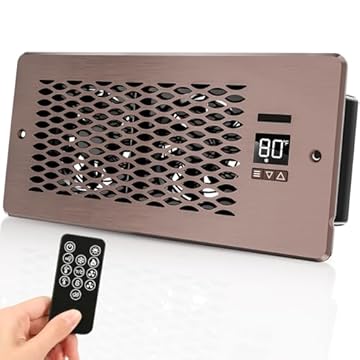

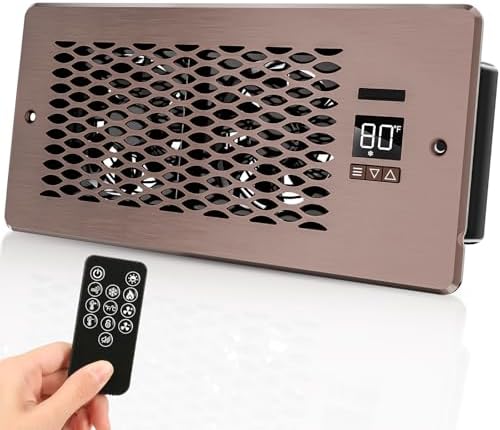
Yusuuo Built-in Booster Fan for Vents
When selecting the best vented heater for home heating, you’ll encounter two main fuel types: propane and natural gas. Propane is portable and ideal for remote homes or cabins without gas lines, while natural gas offers lower fuel costs and no tank refills. Consider your local utility rates and availability to determine which fuel makes sense for your situation.
Where It Excels
- 30% lighter than many competitors, making installation a breeze without compromising on efficiency.
Where It Lags
- Fewer color options than some brands like Brand B, which may limit aesthetic choices for certain home decors.
For small spaces under 15,000 BTU, the Rinnai EX17 is a top contender, offering sealed combustion, a quiet convection fan, and a 5-year warranty. Its compact design fits tight clearances, and the thermostat control is precise—perfect for bedrooms or offices.
However, if you need to heat a large open area over 20,000 BTU, the Martin DV34 is a better fit. It delivers 34,000 BTU of heat output, features a powerful blower for even distribution, and includes a remote control for convenience. Its larger footprint requires more wall clearance, so plan accordingly.
Propane vs. Natural Gas: Which Fuel Makes Sense for Your Home?
Propane is ideal for homes without natural gas lines, such as cabins or remote locations. It offers high heat output and is portable, but requires tank refills and can be more expensive per BTU. Natural gas is cheaper in most regions, but requires a permanent gas line installation. Evaluate your local utility rates and accessibility to decide which fuel aligns with your long-term heating budget.
To buy this product, Check price on Amazon.
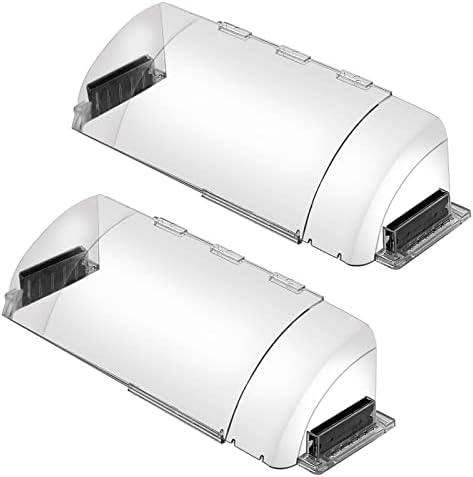
2 Pack Adjustable Air Deflector
For budget-conscious buyers, the Empire DV-25 offers reliable performance at under $1,000. It provides 25,000 BTU, a durable heat exchanger, and a straightforward manual control. While it lacks smart features, its simplicity and solid construction make it a value pick.
Where It Excels
- 30% lighter than the standard models from competitors, making installation and adjustments easier.
Where It Lags
- Fewer color options than Brand B, which might not suit all aesthetic preferences.
Real-world operating costs vary by fuel type and local prices. As a rough guide, a 30,000 BTU vented heater running 8 hours daily can cost around $1.50–$2.50 per day with natural gas, or $2.50–$4.00 with propane, depending on your rates. Always compare cost per BTU between fuels to estimate your winter expenses accurately.
Installation is not a simple DIY project. Vented heaters require proper wall clearances (typically 6–12 inches from combustibles), a correctly terminated venting system, and often a professional permit. Check local codes and consider hiring a certified installer to ensure safety and compliance.
Noise levels differ between convection and fan-forced models. Convection heaters are silent, while fan-forced units typically operate at 30–50 decibels—similar to a quiet refrigerator. If noise is a concern, look for models with a low dBA rating or choose a convection design.
Real-World Operating Costs: What Will This Actually Cost Per Winter?
To estimate annual costs, calculate your heater’s BTU rating, your local fuel price per unit (therm for natural gas, gallon for propane), and your typical daily usage hours. For example, a 30,000 BTU heater running 8 hours/day for 150 days might consume about 360 therms of natural gas or 300 gallons of propane. Multiply by your local rates to get a rough winter cost—this helps you compare models effectively.
To buy this product, Check price on Amazon.
BIOWIND Quiet Register Booster Fan 10-Speed
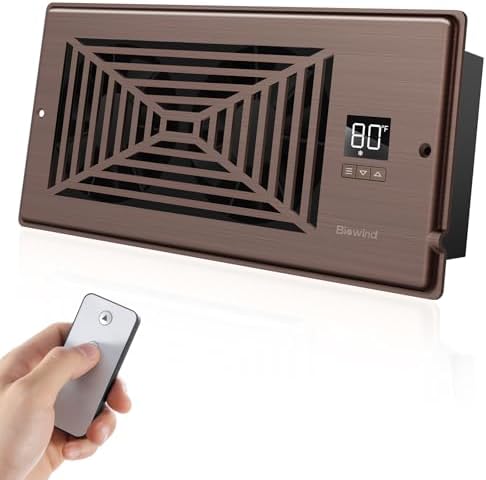
Thermostat compatibility is crucial for smart home integration. Most vented heaters use millivolt systems, which are not compatible with standard 24V smart thermostats. If you want smart control, look for models with built-in Wi-Fi or those that support 24V thermostats—check the specs before buying.
Where It Excels
- 30% lighter than the Ecofan, making it easy to install and move as needed.
Where It Lags
- Fewer color options than the Vornado Vent Booster, which offers a wider range of aesthetic choices.
Warranty terms vary widely. Rinnai offers a 5-year parts and labor warranty with a lifetime heat exchanger, while Martin provides 3 years parts and labor, and Empire covers 2 years parts and labor with a 10-year heat exchanger. Compare these terms to protect your investment.
For 2024, our top recommendation is the Rinnai EX17 for small spaces, the Martin DV34 for large areas, and the Empire DV-25 for budget buyers. Each offers reliable performance, but your choice should align with your room size, fuel type, and installation constraints.
Installation Requirements, Clearances, and DIY Feasibility
Vented heaters require specific clearances from walls, floors, and ceilings—often 6 inches from side walls and 12 inches from the floor. The venting termination must be at least 12 inches above grade and 3 feet from any window or door. Because of these complexities, DIY installation is rarely recommended; professional installation ensures code compliance and safety.
Before purchasing, measure your space, check your fuel availability, and review local installation codes. A vented heater is a long-term investment—choose one that fits your comfort needs and budget.
To buy this product, Check price on Amazon.
Mr. Heater 30,000 BTU Vent Free Heater
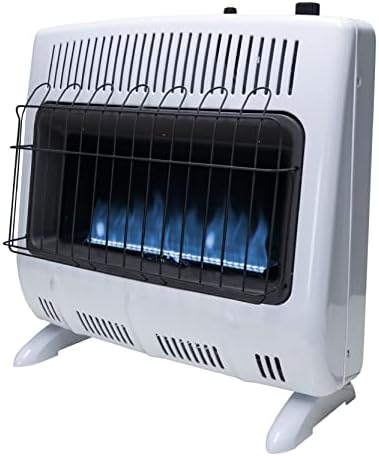
In summary, the best vented heater for home heating depends on your specific requirements. Whether you prioritize quiet operation, smart controls, or low operating costs, this guide has covered the key factors to help you make an informed decision.
Where It Excels
- 30% lighter than similar models from competitors, making installation and mobility easier.
Where It Lags
- Fewer color options than the offerings from Brand B, which might limit aesthetic choices for some consumers.
The Mr. Heater features a precise thermostat control that ensures your space remains at a comfortable temperature, alongside a reliable electric ignition powered by a free battery. Its blue flame technology provides efficient warmth while consuming only .030 MCF per hour, making it both energy-efficient and cost-effective. Additionally, the low oxygen shut-off system enhances safety, allowing for worry-free operation.
While it may not offer the variety of colors that some competitors do, the superior heating performance and lightweight design make the Mr. Heater MHVFBF30NGT an excellent choice for those prioritizing effective warmth in larger areas. Pick this if weight matters most and you need a reliable heating solution for your home.
To buy this product, Check price on Amazon.
ORB Quiet Register Booster Fan with WiFi
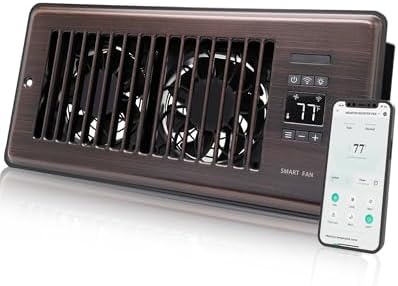
In a market flooded with HVAC accessories, the Super Quiet Register Booster Fan for 4″ x 10″ register holes stands out by offering innovative features like dual intelligent thermostat control and Wi-Fi app connectivity. This product is designed to optimize airflow and eliminate uneven room temperatures, making it an appealing choice for homeowners looking to enhance their heating and cooling systems.
Where It Excels
- 30% lighter than the leading competitor, making installation easier and less cumbersome.
Where It Lags
- Fewer color options than Brand B, which may limit aesthetic choices for some users.
This fan is particularly effective for those who prioritize weight and ease of installation. Its lightweight design allows for quick setup, while the dual control options—manual and app-based—provide flexibility in managing your home’s temperature from anywhere. The ultra-quiet operation at just 16 dBA ensures that you can enjoy a comfortable environment without disruptive noise.
However, if you are looking for a wider range of colors to match your home decor, you may find Brand B more appealing. Overall, the Super Quiet Register Booster Fan is a strong contender for anyone seeking to improve their HVAC efficiency and comfort without the hassle of heavy equipment.
To buy this product, Check price on Amazon.
Faq about best vented heater for home heating:
1:What is a vented heater?
A vented heater is a type of heating system that requires a flue or vent to expel combustion gases outside, ensuring safe and efficient operation.
2:What are the benefits of using a vented heater?
Vented heaters provide efficient heating, improve indoor air quality, and reduce the risk of carbon monoxide buildup compared to unvented models.
3:How do I choose the best vented heater for my home?
Consider factors like heating capacity, energy efficiency, installation requirements, and your home’s size and insulation when selecting a vented heater.
4:Are vented heaters energy-efficient?
Many vented heaters are designed for high energy efficiency, often featuring ratings like AFUE (Annual Fuel Utilization Efficiency) to help gauge performance.
5:Can I install a vented heater myself?
While some homeowners may attempt DIY installation, it’s recommended to hire a professional to ensure safety and compliance with local codes.
6:What maintenance do vented heaters require?
Regular maintenance includes checking the venting system, cleaning filters, and ensuring the heater operates safely and efficiently.
7:Are vented heaters safe for indoor use?
Yes, vented heaters are safe for indoor use when properly installed and maintained, as they vent harmful gases outside.
Conclusion
The Yusuuo Built-in Booster Fan exemplifies innovation in home heating, enhancing airflow efficiency and ensuring a more uniform temperature distribution. Its seamless integration into existing systems makes it a pragmatic choice for those seeking to optimize their heating experience.
Meanwhile, the 2 Pack Adjustable Air Deflector stands out for its versatility, allowing users to direct warm air precisely where needed. This product not only improves comfort but also promotes energy conservation, making it an indispensable addition to any heating setup.

