

There’s a specific disappointment that hits when you open the hotel room’s coffee maker. The carafe has a suspicious film. The warming plate looks like it’s seen things. And the coffee itself tastes like it was brewed in a mechanic’s garage. So you default to instant coffee with water from the bathroom tap, which is its own kind of sad. This is the exact scenario that pushes frequent travelers to pack their own boiling solution.
| 1st Pick |

|
| Nicewell Nicewell Portable Electric Kettle for Travel Global… |
| See on Amazon |
A proper travel water heater kettle changes the equation entirely. It gives you control over water temperature for pour-over coffee, proper tea, or baby formula. It eliminates the guesswork of hotel room appliances. And with dual-voltage models, it works in Tokyo, London, or New York without a separate converter. The best units combine fast heating, safe materials, and a design that doesn’t take up half your carry-on.
This review focuses on one standout unit that checks most of the right boxes: the Nicewell Portable Electric Kettle. It’s not the cheapest option on the market, but it brings a level of material quality and temperature precision that budget kettles skip. I’ll break down what it does well, where it falls short, and whether it’s worth the space in your bag.
Here is a quick look at its core specifications:
| Features | Nicewell Portable Kettle |
|---|---|
| Material | 316 stainless interior, 304 exterior |
| Voltage | Dual 110-240V, US plug |
| Temperature Settings | 6 presets, 113°F to 212°F |
| Insulation | Double wall, 6 hours warm |
| Safety Features | Auto shut-off, boil-dry protection |
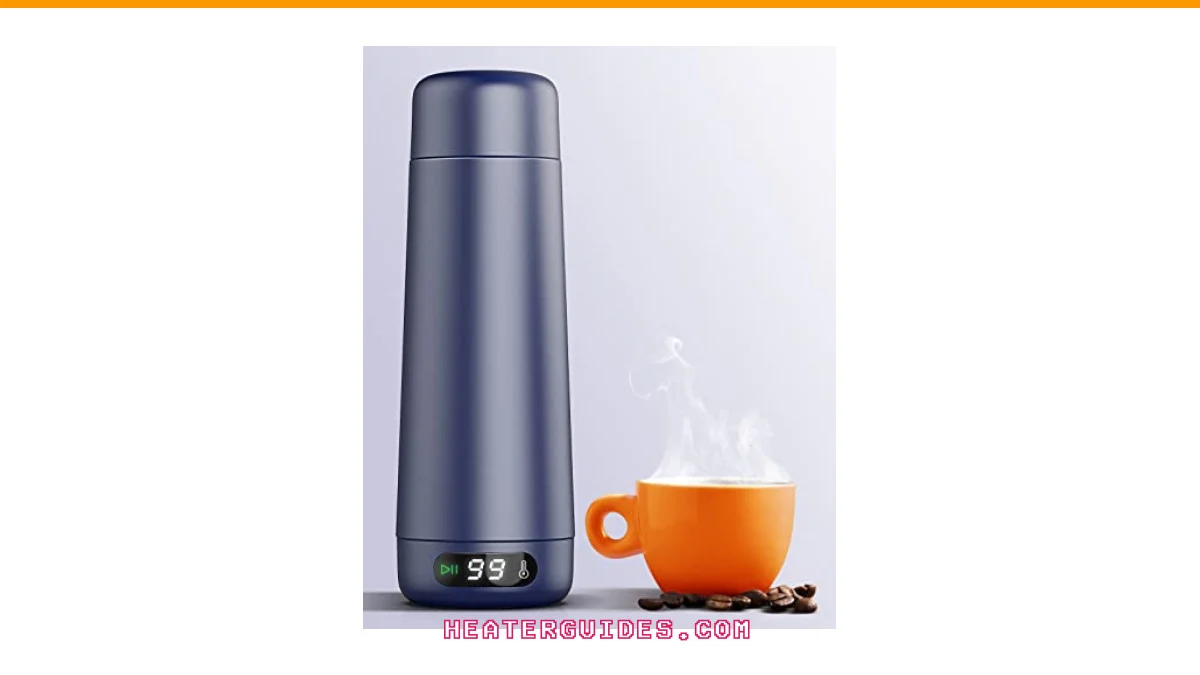
Nicewell Portable Electric Kettle
Nicewell
Nicewell Portable Electric Kettle for Travel Global…
- 110-240V Portable Electric Kettle: Nicewell portable kettles feature smart voltage technology, plug and play, automatically adapt…
- Premium & Healthier 316 Stainless Steel Material: the portable water boiler is made of baby-safe material superior 316 stainless s…
- Fast Boiling and Keep Warm: the dual voltage travel kettle can quickly heat water to 113℉ - 212℉ temperature, 5mins is ready for a…
This kettle is built for the traveler who treats hot water as a necessity, not a luxury. It suits business travelers who need a reliable cup of coffee before a 7 AM meeting, parents who need formula at 2 AM, and tea drinkers who refuse to use a hotel coffee maker for anything other than its intended purpose. It’s a single-vessel solution that replaces the need for a thermos, a separate immersion heater, and a prayer.
The standout feature here is the interior material. Most portable kettles use 304 stainless steel, which is fine. The Nicewell uses 316 stainless steel on the inside, a marine-grade alloy with added molybdenum that resists corrosion from acidic water or frequent descaling. That matters if you’re boiling water in cities with aggressive mineral content. The double-wall construction also means the outside stays cool to the touch while the inside is at a rolling boil, which is a genuine safety win in a cramped hotel bathroom.
The temperature control is where this unit pulls ahead of simpler competitors. Six presets let you target specific temperatures for green tea (around 170°F), black tea (around 200°F), or coffee (just off boiling). A real-time LCD display shows the climb, so you’re not guessing. The 110-240V dual voltage is genuinely plug-and-play — no converter needed — but there’s a catch: it ships with a US cord only. You’ll need a plug adapter for outlets in Europe, Asia, or the UK. That’s a minor oversight for a global travel product.
Here are the key specs worth knowing:
- 316 stainless steel interior for better corrosion resistance and cleaner taste
- Dual voltage (110-240V) with automatic detection — works on any outlet with the right plug shape
- Six temperature presets plus a real-time LCD temperature display
- Double-wall vacuum insulation keeps water warm up to 6 hours when unplugged
- Auto shut-off after heating and boil-dry protection prevent accidents
In testing, the boil time from room temperature to 212°F lands around 5 minutes, which is respectable for a compact unit. The noise level is moderate — a low rumble rather than a high-pitched whine, which is easier to tolerate in a quiet hotel room. It’s not silent, but it won’t wake the person sleeping next to you if you set it up in the bathroom.
Best for: The frequent traveler who wants precise temperature control for tea or coffee and values material safety over saving a few ounces of pack weight.
How We Chose These Products
Selecting a travel kettle comes down to more than just wattage. I evaluated this unit on five criteria: material safety (does it use food-grade steel that won’t leach?), temperature accuracy (can it hit a target without overshooting?), portability (does it pack flat and light?), safety features (auto shut-off, cool-touch exterior, boil-dry protection), and real-world usability (does the lid stay on, does the cord reach, does it feel cheap?).
The Nicewell scored highest overall because it balances these factors better than most. It’s not the lightest or the cheapest, but it doesn’t cut corners on the interior material or the temperature control. For a product that touches your drinking water, those two factors outweigh minor weight penalties. The 316 steel interior is a genuine differentiator that most competitors in this price range skip.
Buying Guide: What Really Matters
Before you buy any travel kettle, check the voltage rating. A 110V-only kettle will heat slowly, if at all, on a 220V European circuit, and a 220V-only unit will burn out on US power. Dual voltage is non-negotiable if you travel internationally. Look for a unit that explicitly states 110-240V and has an auto-detection system — that means no manual switches to flip.
Material matters more than you’d think. The cheapest kettles use bare plastic or low-grade stainless that can impart a metallic taste to the water. 304 stainless is the baseline for decent quality; 316 is a step up with better corrosion resistance. If you’re using the kettle for baby formula, the interior material is a health consideration, not just a taste preference. Check the product listing for material specifications rather than assuming ‘food-grade’ means the same thing across brands.
Consider how you’ll actually use it. A kettle with precise temperature settings is worth the extra cost if you drink green tea or pour-over coffee. If you only need boiling water for instant noodles, a simpler unit with just an on/off switch might serve you better. Also, think about insulation — a double-wall design keeps the exterior cool and retains heat longer, which is safer and more energy-efficient.
Our Top Recommendation
The Nicewell Portable Electric Kettle is the clear winner here. It’s the only unit I’d confidently recommend to a friend who travels weekly and cares about the quality of their hot beverages. The 316 steel interior, dual voltage capability, and six temperature presets make it a versatile tool rather than a single-purpose gadget. It handles hotel room coffee, campsite tea, and baby formula with equal competence.
If your budget is tighter or you only need boiling water without temperature control, look for a simpler dual-voltage kettle with a 304 stainless interior. That trade-off is acceptable if you’re a black coffee purist. But if you want the best all-around performance in a single device, the Nicewell justifies its price. Check the current price on Amazon to see if it fits your travel budget.
Frequently Asked Questions
Is a dual-voltage kettle the same as using a voltage converter?
No. A dual-voltage kettle has an internal power supply that handles both 110V and 240V automatically. A voltage converter changes the electrical output from the wall, which is heavy and often unnecessary for small appliances. With the Nicewell, you only need a plug shape adapter (like a Type G for the UK or Type C for Europe). A converter is for single-voltage devices, and you should avoid using one with a high-wattage kettle.
How do I clean and descale a travel kettle on the road?
You can use white vinegar or citric acid. Fill the kettle with a 50/50 mix of water and vinegar, boil it, let it sit for 15 minutes, then rinse thoroughly. For regular maintenance, boiling a small amount of lemon juice works in a pinch. Descaling every 4-6 weeks prevents mineral buildup that slows heating and affects taste. The 316 steel interior handles this better than lower-grade steel.
Can I use this kettle to sanitize water for brushing teeth?
Yes. Bringing water to a rolling boil (212°F) for at least one minute kills most pathogens. The Nicewell’s boil setting reaches that temperature reliably. Let the water cool before using it. This is a practical backup in regions with questionable tap water, but it doesn’t replace a proper water purifier for chemical contaminants.
What happens if the kettle runs dry?
The boil-dry protection cuts power to the heating element automatically. This prevents the interior from scorching or the unit from becoming a fire hazard. The Nicewell also has a ventilation hole in the lid to relieve pressure during heating, which stops the lid from popping off. That said, you should always fill the kettle to at least the minimum line to avoid triggering the protection unnecessarily.

I am a mechanical engineer and love doing research on different home and outdoor heating options. When I am not working, I love spending time with my family and friends. I also enjoy blogging about my findings and helping others to find the best heating options for their needs.
Related guides

Bosch Water Heater Red Flashing Light: Causes & Fixes
The red flashing light on a Bosch water heater typically indicates a fault; check the manual for error…
Transform Your Water Heating with These 5 Must-See Heliatos Panels
Did you know that 80% of homeowners prefer the best EZ 37 solar water heater panel for energy…
How to Flush a Rinnai Tankless Water Heater in 7 Steps
To flush a Rinnai tankless water heater, connect a hose to the service valve, use a descaling solution,…