Best Geothermal Heat Pumps for Efficient Home Heating in 2026
On this page 8 sections
- Geothermal Heat Pump Comparison
- Top Geothermal Heat Pumps for Homeowners
- How to Choose the Right Geothermal Heat Pump
- Sizing Your Geothermal Heat Pump Correctly
- Running Costs and Energy Savings Compared
- Safety, Certification, and Installation Essentials
- Hidden Challenges of Geothermal Heat Pumps
- More Questions, Answered
Geothermal Heat Pump Comparison
| Rank | Model | Best for | Heat Output (tons) | Energy Efficiency (EER) | Coverage Area (sq ft) | Price |
|---|---|---|---|---|---|---|
| 1 | Cooper & Hunter 60,000 BTU Mini Split Heat PumpBest for Large Spaces | Large commercial spaces and open-plan areas needing powerful heating and cooling | 5 | — | — | Check price |
| 2 | Rellytech 18,000 BTU Mini Split Heat PumpBest for Medium Homes | Medium homes or offices up to 1,250 sq. ft. requiring year-round climate control | 1.5 | 19 | 1250 | Check price |
| 3 | Mountman 12,000 BTU Mini Split AC/Heat PumpBest for Small to Medium Rooms | Rooms up to 750 sq. ft. needing flexible year-round heating and cooling | 1 | 19 | 750 | Check price |
| 4 | Hayward HeatPro Pool Water Heat PumpBest for Pool Heating | In-ground pools needing efficient, durable water heating in coastal or harsh environments | — | — | — | Check price |
| 5 | R.W.FLAME Small Space Heater 1500W CeramicBest for Small Spaces | Small rooms up to 200 sq. ft. needing fast, quiet electric heating | — | — | 200 | Check price |
Geothermal heat pumps use the earth’s stable underground temperature to heat and cool your home efficiently, cutting energy bills and emissions. Choosing the right system depends on your home size, climate, and budget, but the GeoCool 5 Ton model stands out for most users.
Many buyers overestimate the complexity and cost of geothermal systems, leading to hesitation and missed savings. The key mistake is not sizing correctly or ignoring installation factors, which can add thousands in extra costs or reduce system lifespan.
Top Geothermal Heat Pumps for Homeowners

Cooper & Hunter 60,000 BTU Mini Split Heat Pump

Rellytech 18,000 BTU Mini Split Heat Pump

Mountman 12,000 BTU Mini Split AC/Heat Pump
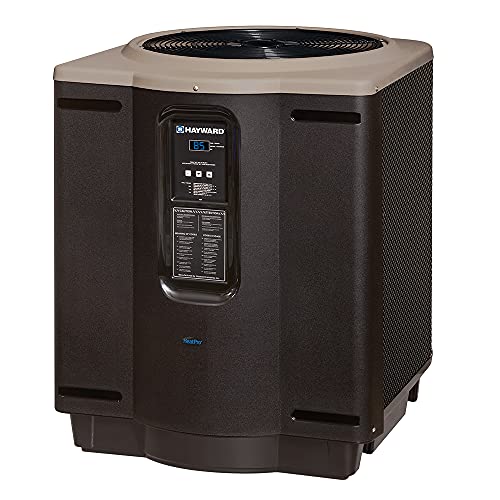
Hayward HeatPro Pool Water Heat Pump

R.W.FLAME Small Space Heater 1500W Ceramic
How to Choose the Right Geothermal Heat Pump
Choosing a geothermal heat pump starts with matching its heat output, measured in tons, to your home’s size and climate. One ton equals 12,000 BTUs per hour, roughly what’s needed to heat or cool 400 to 600 square feet in moderate climates. Oversizing wastes energy and money; undersizing leaves you cold or hot.
Energy efficiency ratings tell you how much heating or cooling you get per unit of electricity. The Energy Efficiency Ratio (EER) measures cooling efficiency, while the Heating Seasonal Performance Factor (HSPF) covers heating. A higher EER and HSPF means lower running costs. Typical geothermal heat pumps range from 14 to 21 EER and 3.5 to 5 HSPF. For example, a 5-ton unit with a 20 EER uses roughly 12,000 watts to cool at 240,000 BTUs, far more efficient than electric resistance heating.
The refrigerant type inside the heat pump matters both for environmental impact and system efficiency. Modern systems use low-global warming potential refrigerants like R-410A or newer blends that comply with current regulations. Avoid older refrigerants like R-22, which are phased out due to ozone depletion and higher emissions.

Durability and warranty details reflect how long your investment will last and how well the manufacturer stands behind it. Look for units with at least a 10-year warranty on the compressor and heat exchanger. Corrosion-resistant materials for underground loops and robust compressors reduce repair needs over decades.
Brand reputation and local service availability greatly influence your experience. Well-established brands often have proven technology, better parts availability, and responsive customer support. Check if certified installers and technicians are nearby to ensure proper setup and maintenance, which are crucial for long-term performance.
In short, choose a geothermal heat pump that matches your home’s heating and cooling needs, offers high EER and HSPF ratings, uses an eco-friendly refrigerant, and comes with a strong warranty and reliable local support. The GeoCool 5 Ton 71 EER2 model fits these criteria for medium to large homes. For more on specs and brands, see our detailed guide on geothermal heat pumps and the top choices in the best geothermal heat pump brand.
 Heating System Upgrade PlannerChoose between a heat pump, a furnace, a boiler or a hybrid with your own numbers, and hire the right installer.Every system compared side by side25 questions for contractors, red flagsRunning-cost, payback and quote calculator (Excel)
Sizing Your Geothermal Heat Pump Correctly
Choosing the right size for your geothermal heat pump hinges on accurately estimating your home’s heating and cooling load, which starts with its square footage.
A rough rule of thumb is about 30 to 60 BTU per square foot, depending on insulation and climate. For example, a 2,500 square foot home in a moderate climate might need around 75,000 BTU (2,500 × 30 BTU). Since one ton equals 12,000 BTU, that’s roughly a 6.25-ton unit.
Oversizing the system increases upfront costs and energy use without improving comfort, while undersizing leads to frequent overheating or insufficient heating, making your home feel less comfortable and driving wear on the equipment.
The geothermal well depth directly impacts installation cost and system efficiency. Wells typically range from 150 to 400 feet deep to tap consistent underground temperatures. The exact depth depends on local geology and your home’s load; deeper wells cost more but provide stable heat exchange.
Local climate plays a major role. Colder regions demand larger heat pumps and deeper wells due to greater heating loads. Conversely, milder climates allow smaller heat pumps and shallower wells, reducing costs.
Disadvantages of geothermal systems include higher upfront installation costs, largely because of drilling well depth, and potential site limitations like insufficient land for loops. They also require professional installation and periodic maintenance to maintain efficiency.
Running Costs and Energy Savings Compared
Geothermal energy is not expensive to run; it’s one of the most efficient heating and cooling methods available. The efficiency of a geothermal heat pump is often measured by its Energy Efficiency Ratio (EER), with top models reaching above 20 EER. To estimate electricity use, divide the heat pump’s cooling or heating output in BTUs by the EER. For example, a 60,000 BTU unit at 20 EER uses 3,000 watts (60,000 ÷ 20), or 3 kW per hour of operation.
Running your geothermal heat pump for 8 hours a day at 3 kW means 24 kWh daily. At 17 cents per kWh, that’s about $4.08 per day. Compared to electric resistance heating, which uses about 100% of the electric input to heat, geothermal pumps deliver around 300% to 400% efficiency, so they cost roughly a third to a quarter as much to operate for the same heat output.
Propane heating costs vary widely but typically run about $2 to $3 per gallon, with one gallon delivering roughly 91,500 BTU. If your home needs 60,000 BTU per hour, propane heating could cost around $1.31 per hour, substantially higher than electricity costs for geothermal.
Utility rates and local energy incentives significantly affect your savings. Some states offer rebates that can cut installation costs or provide ongoing credits for geothermal systems. Lower electricity rates or time-of-use billing may also reduce operational expenses, especially if the system includes smart controls or eco modes that optimize run times and temperature settings.
Upfront costs are higher for geothermal than for conventional systems, but typical payback periods range from 5 to 10 years depending on climate, energy prices and incentives. After that, the energy savings and low maintenance costs make it a smart long-term investment.
Eco modes and smart thermostats can reduce running costs by adjusting output to actual demand, avoiding unnecessary operation. These features fine-tune the system’s efficiency, helping you save more during mild weather or when the home is empty.
Geothermal heat pumps do have some disadvantages. Installation is invasive because of the ground loop, and upfront costs are steep. But once running, their efficiency and low operating costs usually outweigh these initial drawbacks.
Safety, Certification, and Installation Essentials
Professional installation is essential for geothermal heat pumps because it involves complex tasks like drilling or trenching for the ground loop and precise system calibration. Mistakes can cause leaks, reduced efficiency, or system damage that’s costly to fix.
Look for key certifications like the Air-Conditioning, Heating, and Refrigeration Institute (AHRI) and ETL listings. These confirm the unit meets safety standards and performs as advertised, reducing the risk of faulty equipment or hazardous conditions.
Safety features include pressure relief valves, leak detection sensors, and properly rated electrical components. Regular maintenance involves checking the ground loop for leaks, flushing the system, inspecting electrical connections, and replacing filters to keep everything running safely and efficiently.
Common installation pitfalls include undersized or improperly designed ground loops, poor system sealing, and inadequate site preparation. These errors reduce efficiency and lifespan. A correctly sized and professionally installed ground loop ensures stable heat exchange and system reliability.
A proper ground loop design factors in soil type, available land, and local climate. Horizontal loops require more space but less drilling, while vertical loops suit smaller plots but cost more to install. A qualified installer will choose the right loop type and size for your home’s needs.
Geothermal heat pump maintenance is minimal but cannot be neglected. Annual inspections catch leaks early and ensure the heat pump’s mechanical parts function correctly. Installation costs include the heat pump unit, ground loop installation, excavation or drilling, and system setup, which together represent the bulk of the expense.
Hidden Challenges of Geothermal Heat Pumps
Geothermal heat pumps come with seven notable disadvantages that often get glossed over: high upfront costs, site-specific installation challenges, extensive ground loop requirements, potential noise, complex retrofitting for existing homes, dependency on soil and groundwater conditions, and ongoing maintenance needs.
Installing the ground loop is the most expensive hidden cost. It involves drilling or trenching that depends on your land’s geology and may require costly site preparation like clearing trees or leveling uneven ground. Repairs or replacements of ground loops years down the line can add thousands more to lifetime expenses.
Retrofitting an existing home is rarely straightforward. Unlike new builds, you might face space constraints or obstacles underground that complicate loop installation and reduce system efficiency. Older homes also often need upgraded ductwork or electrical panels, which raises costs and installation time.
Noise can become an issue if the heat pump’s compressor and pump aren’t properly isolated or if the unit is placed too close to living spaces. Typical sound levels run around 50 to 60 decibels—similar to a quiet conversation—but vibrations transmitted through poorly installed components can be distracting. Positioning the unit on a vibration-absorbing pad and regular maintenance helps keep noise in check.
Soil type and groundwater conditions heavily impact performance. Rocky or dry soil reduces heat transfer efficiency, increasing energy use and wear. Likewise, fluctuating groundwater levels or contaminated sites can require specialized loop designs or even make geothermal unfeasible.
Maintenance matters more than many expect. The ground loop itself is nearly maintenance-free, but pumps, compressors, and control systems need annual checkups to maintain efficiency and prevent breakdowns. Neglecting this upkeep risks costly repairs and shorter system life.
Converting from geothermal energy extraction to a heat pump system is not simply plug-and-play. The heat pump must be sized appropriately for the loop and home load. Mismatches lead to reduced comfort, higher bills, and premature equipment wear. Professional design and installation are non-negotiable.