Best Ceiling Mounted Water Heaters for Space and Efficiency
On this page 8 sections
- Ceiling Mounted Water Heater Comparison
- Best Ceiling Mounted Water Heaters for Tight Spaces
- Advantages of Ceiling Mounted Water Heaters Compared to Other Types
- How to Install a Water Heater in a Tight Bathroom Ceiling Space
- Energy Efficiency of Ceiling Mounted Water Heaters
- Key Safety Features for Ceiling Mounted Water Heaters
- How to Size a Ceiling Mounted Water Heater for Your Household
- Questions People Ask
Ceiling mounted water heaters save floor space and fit tight rooms better than floor models. Choosing the right one avoids wasted energy, poor performance, and costly installation mistakes.
This guide covers the best models, how to size for your household, installation tips for tight ceilings, and safety features unique to ceiling mounting.
Ceiling Mounted Water Heater Comparison
| Model | Best for | Capacity (Gallons) | Mounting Type | Power (Watts) | Safety Features | Price |
|---|---|---|---|---|---|---|
| HoldRite QuickStand Ceiling Mounted Water Heater Platform 50-SWHP | Best for Ceiling Mount | Up to 50 | Ceiling mounted platform | — | Built-in drain pan | Why it is here |
| xwdzswgs 110V 3000W Tankless Electric Water Heater | Best Tankless Compact | — | Wall mounted (vertical only) | 3000 | IPX4 waterproof, leakage, dry boil protection | Why it is here |
| xwdzswgs 3000W Tankless Electric Water Heater 110V | Reliable Instant Hot Water | — | Wall mounted (vertical only) | 3000 | IPX4 waterproof, leakage, dry burn protection | Why it is here |
| DOYXC 110V 3000W Tankless Under Sink Water Heater | Compact Energy Efficient | — | Wall mounted (vertical only) | 3000 | IPX4 waterproof, leakage, dry burn protection | Why it is here |
| thermomate Electric Mini Tank Water Heater ES250 2.5 Gallons | Best Mini Tank | 2.5 | Wall or floor mounted | 1440 | UL listed T&P valve | Why it is here |
Best Ceiling Mounted Water Heaters for Tight Spaces
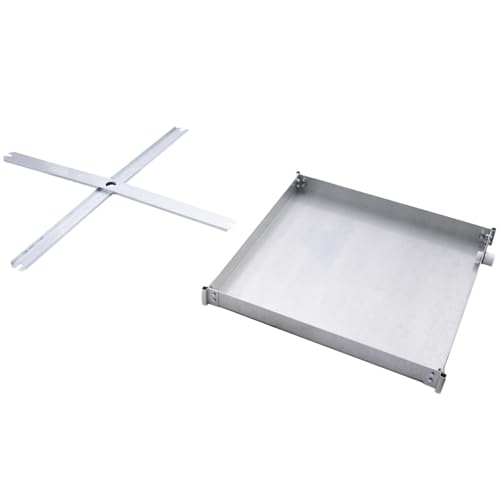
HoldRite QuickStand Ceiling Mounted Water Heater Platform 50-SWHP

xwdzswgs 110V 3000W Tankless Electric Water Heater

xwdzswgs 3000W Tankless Electric Water Heater 110V

DOYXC 110V 3000W Tankless Under Sink Water Heater

thermomate Electric Mini Tank Water Heater ES250 2.5 Gallons
Advantages of Ceiling Mounted Water Heaters Compared to Other Types

A ceiling mounted water heater frees up floor and wall space, which is a big advantage in small rooms. It also keeps the unit away from accidental knocks or spills, reducing maintenance. This placement can improve water pressure due to shorter pipe runs in some layouts.
These heaters often come with built-in drain pans designed to catch leaks early and avoid water damage. The integrated pan routes drips safely away, which is a major advantage over some floor units that require separate and sometimes complicated leak management.
Ceiling mounting suits spaces where horizontal or floor installation isn’t practical, like bathrooms with limited wall clearance or laundry rooms with crowded walls. The compact design and vertical profile fit snugly between ceiling joists or inside a plenum, making them a smart choice when space is at a premium.
Durability is another selling point. Ceiling mounted water heaters typically use corrosion-resistant materials and reinforced tank coatings to handle the overhead installation’s demands. Their placement also minimizes accidental contact or damage that floor or wall units might face, extending service life.
In short, a ceiling mounted water heater combines space-saving installation, built-in leak protection, and rugged construction to offer a practical solution for tight or busy interiors. When you need hot water but lack wall or floor room, the ceiling is often the best place to look.
 Water Heater Owner's ToolkitFix the common faults yourself, keep it running for years, and know when a repair is money wasted.No-hot-water flowcharts, gas and electricFlush, anode, relief valve and descaling stepsRepair-or-replace calculator (Excel)
How to Install a Water Heater in a Tight Bathroom Ceiling Space
Installing an electric water heater suspendido—suspended in the ceiling—requires careful measurement of available space and the ceiling’s weight capacity. Confirm that the joists or plenum area can safely support the tank’s full weight when filled, which can easily exceed 100 pounds for a 30-gallon unit.
Platforms like the HoldRite QuickStand Ceiling Mounted Water Heater Platform simplify this process. They provide a secure, adjustable frame that fits between ceiling studs and includes a built-in drain pan, reducing the risk of leaks and easing maintenance access.
Installing a water heater in a tight bathroom ceiling requires careful measurement of the available space and clearances. Ensure the unit fits without blocking vents or access panels. Use brackets designed for ceiling mounts and follow local codes for pipe insulation and electrical connections. Allow enough room for future maintenance and service.
Plenum mounted water heaters must also meet local code requirements for clearances and venting. Tight ceiling spaces can complicate this, so plan for enough access room around the heater for servicing and inspection.
Professional installation is highly recommended. Electric water heater suspendido setups involve electrical wiring, water connections, and secure mounting that must comply with building codes and safety standards. A licensed plumber or electrician ensures the job is done right and safe for long-term use.
Taking these steps avoids common pitfalls like overloaded joists, insufficient clearance, and poorly managed condensate. With careful planning and the right hardware, ceiling mounted water heaters can fit neatly into even the tightest bathroom ceilings.
If you want a reliable platform for this kind of install, the HoldRite QuickStand system is worth a look for its space-saving design and safety features.
For more about ceiling-mounted electric heaters designed for bathrooms, see our guide to ceiling-mounted bathroom heaters that warm spaces fast.
Energy Efficiency of Ceiling Mounted Water Heaters
Ceiling mounted electric water heaters can be energy efficient, but their efficiency depends more on the heater type and sizing than their mounting location.
Tankless water heaters typically offer higher efficiency than storage models because they heat water on demand, avoiding standby heat loss. For example, the Stieble Elton Electric Tankless Water Heater achieves about 99% efficiency by heating water only when you need it.
However, oversized units waste energy regardless of type. A storage heater with a 50-gallon tank that exceeds household needs will cycle more often, using extra electricity to maintain water temperature. Correct sizing matches your daily hot water use; say your household uses 40 gallons daily, then a 50-gallon tank or a tankless unit rated for about 6 to 8 gallons per minute flow rate will optimize energy use.
Installation affects efficiency too. Ceiling mounting can reduce heat loss if the heater is near the point of use, like a bathroom above. But poor insulation around pipes or a cold ceiling cavity can increase heat loss. Securing proper pipe insulation and sealing gaps are key steps.
Consider energy consumption: a 1,500-watt electric storage heater running 3 hours daily uses 4.5 kWh. At 17 cents per kWh, that’s about 77 cents a day. A tankless unit only runs when water flows, so daily use depends on hot water demand, but it often consumes less overall energy.
Key Safety Features for Ceiling Mounted Water Heaters
Ceiling mounted water heaters need safety features tailored to their position and function to prevent damage and hazards.
Temperature monitoring with automatic shut-off is crucial. If water exceeds safe limits, the system cuts power to avoid scalding and damage. Many modern electric models include this feature, reducing risk without manual intervention.
Built-in leak detection and drain pans protect ceilings and floors from water damage. Ceiling installations are vulnerable to leaks dripping onto finished rooms below. A drain pan with a water sensor can alert you early and direct water safely away.
Always check for UL listings and ensure the unit meets local electrical and plumbing codes. These certifications confirm the heater has passed rigorous safety tests and is approved for ceiling installation.
The temperature and pressure (T&P) relief valve is non-negotiable. It prevents dangerous pressure buildup inside the tank by releasing water if limits are exceeded. The valve’s discharge must be properly piped to a safe location below the heater to avoid flooding or scalding hazards.
How to Size a Ceiling Mounted Water Heater for Your Household
Sizing a ceiling mounted water heater starts with estimating your household’s daily hot water demand. A typical person uses about 20 gallons daily for showers, dishwashing, and laundry. Multiply that by everyone in your household to get a rough daily total.
For storage tank heaters, choose a tank capacity that meets or slightly exceeds this daily use. For example, a family of four would need around 80 gallons. Ceiling mounted tanks usually range from 30 to 50 gallons, so larger households might need multiple units or a bigger traditional water heater elsewhere.
Tankless water heaters work differently. Instead of capacity, look at the flow rate, measured in gallons per minute (GPM). Calculate the peak simultaneous demand, such as two showers and a dishwasher running at once. Average shower flow is about 2.5 GPM, so three fixtures might need a 7.5 GPM unit or higher.
Picking a unit too large wastes energy by heating more water than needed, while undersized units can’t keep up with demand, leaving cold water at the tap. For ceiling mounted options, space and weight limits often restrict capacity, so check your ceiling’s support specs before choosing a larger model.
Tankless ceiling mounted heaters fit well in tight spaces but must be sized for peak flow. An undersized 4 GPM unit won’t handle multiple users well, while a 7 to 9 GPM model suits most families of three to four.
Use manufacturer sizing charts and consider your household’s hot water habits. Ceiling mounted units often serve single bathrooms or small kitchens, so matching size to use is critical. When in doubt, pick a slightly smaller unit and add point-of-use heaters rather than oversizing.