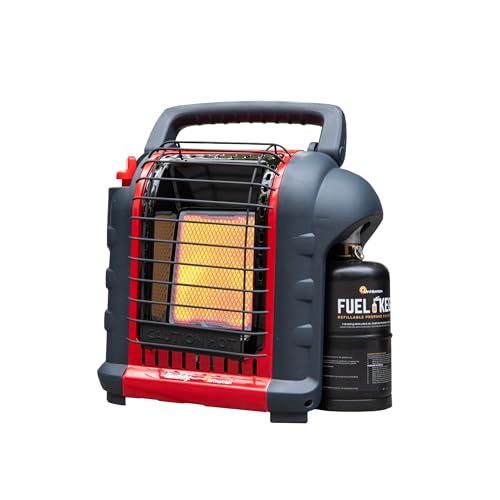
Using propane heaters outdoors can extend your comfort into cooler months without the need for electricity or permanent gas lines. They deliver quick, portable heat ideal for patios, garages, and workspaces.
However, getting safety wrong can risk carbon monoxide buildup, fire hazards, or wasted fuel. This article explains how propane heaters work outdoors, when conditions affect safety, and how to use them without trouble.
Propane Heaters Are Safe and Effective for Outdoor Use
Yes, propane heaters are safe outdoors when the heater is listed for outdoor use, placed on a stable surface, and fitted with tip-over, oxygen-depletion and overheat protection. They work well because propane provides instant heat without an electrical outlet, but safe propane heater use still depends on open-air ventilation and sensible clearance from anything that can burn.
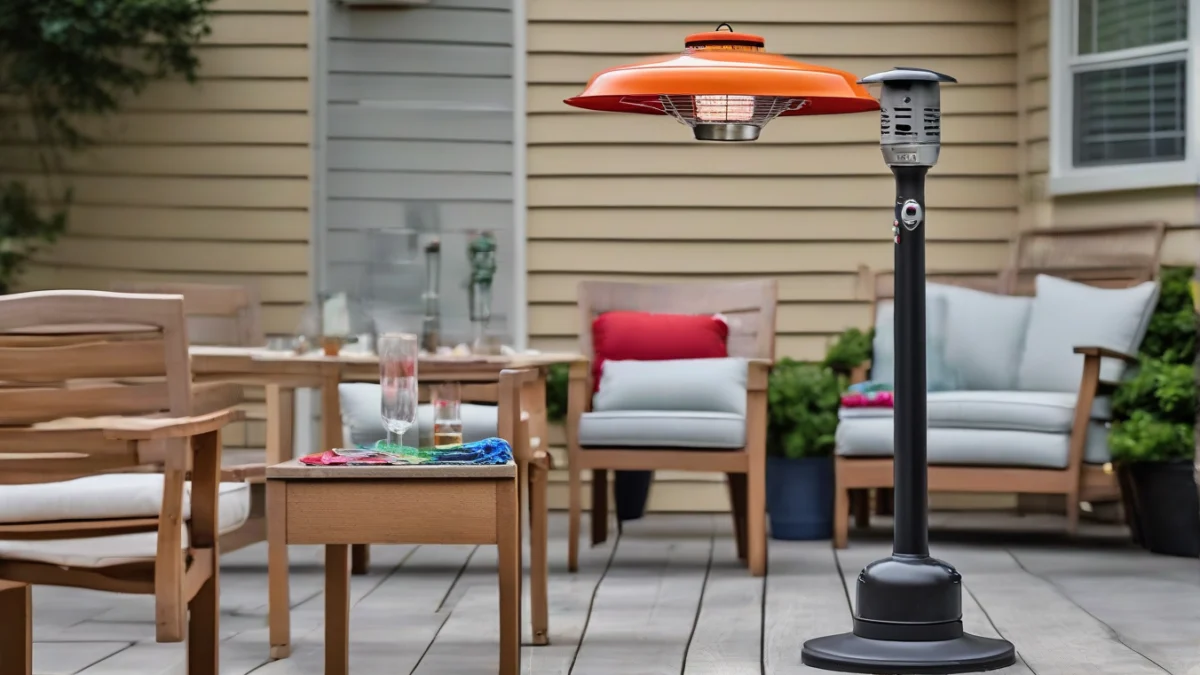
Outdoor propane heaters are effective for patios, work areas and other spots where running a cord is awkward. A radiant model heats people and nearby surfaces quickly, and a portable cabinet heater can move with you instead of asking the extension cord to perform a small miracle. Propane also keeps working during a power outage.
Safety Features To Check
Ventilation still matters outdoors because a roof, wall, windbreak or enclosed patio can trap combustion gases. Carbon monoxide has no reliable smell, so never use a propane heater in a tent, vehicle, shed or enclosed room unless the model is specifically listed for that use and the manual gives the required ventilation. A working carbon monoxide alarm is sensible near any partly enclosed area, but it doesn’t replace fresh air.
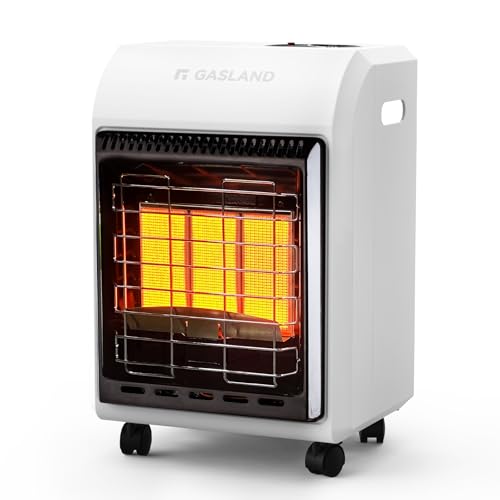
For a portable option, product 2 has 6,000, 12,000 and 18,000 BTU settings, a piezo ignition, casters with front-wheel brakes, a tip-over shut-off and an oxygen-depletion sensor; it suits outdoor users who want adjustable heat without an electrical outlet, provided the manual’s outdoor placement rules fit the site.

Conditions That Make Propane Heaters Unsafe or Ineffective Outdoors
Propane heaters become unsafe or ineffective outdoors when the space traps combustion gases, the heater sits too close to combustible material, or the model isn’t listed for outdoor conditions. The dangers of propane heaters indoors are especially serious because carbon monoxide can accumulate quickly; ventless propane heater safety depends on the exact listing, required ventilation and local rules, not on the word “ventless” alone.
| Condition | Why it causes trouble | What to do |
|---|---|---|
| Enclosed room, shed, tent or vehicle | Carbon monoxide can build up and oxygen can fall | Don’t use an outdoor heater there; use only a model specifically listed for that space |
| Covered patio or garage with limited openings | Roof and walls can hold combustion gases, while airflow may be too weak | Follow the manual’s ventilation rules or move the heater into open air |
| Low-hanging roof, awning or branches | Heat can damage the surface or ignite nearby material | Keep the listed overhead clearance and move the heater if you can’t |
| Curtains, cardboard, dry leaves, fuel cans or furniture nearby | Radiant heat or a flame can ignite them | Clear the area before lighting the burner |
| Strong wind, rain or unstable ground | The flame may go out, heat may blow away and the unit may tip | Use a sheltered but open location with a level, stable base |
Propane heater installation means more than attaching a cylinder. Set the unit level, inspect the hose and regulator, keep the cylinder upright as directed, and use the manufacturer’s clearances from walls, roofs and combustibles. Gas connections, damaged hoses and changes to the burner or regulator deserve a qualified technician rather than improvised repairs.
Altitude can reduce heater output because thinner air supplies less oxygen to the burner. Some models have a stated altitude limit or require a manufacturer-approved adjustment; above that limit, the flame may burn poorly and combustion safety can suffer. Follow the manual, never drill a jet or change the regulator yourself, and stop using the heater if the flame is yellow, unstable or repeatedly goes out.
If you need to assess indoor use separately, see propane heaters for indoors safe for the ventilation, carbon monoxide and model-listing questions that outdoor advice can’t answer.
How to Use Outdoor Propane Heaters Safely and Efficiently
Propane heater safety starts with the installation: set an outdoor-rated heater on level, stable ground, connect the cylinder and hose exactly as the manual shows, and keep the unit away from traffic, combustibles and anything that can fall onto it. Propane heaters for garages need extra care—use one indoors only when the specific model is listed for that space, with the required ventilation and a working carbon monoxide alarm.

Alternatives to Outdoor Propane Heaters
The best outdoor propane heater is usually the middle ground: it provides substantial heat without an electrical outlet and can move with you, while electric heaters are cleaner at the point of use and wood fires create more atmosphere. Your choice depends mainly on access to power, how permanent the setup is and how much heat control you want.
| Option | Strengths | Trade-offs |
|---|---|---|
| Propane heater | Portable, fast heat and no electrical outlet required | Needs a propane cylinder, ventilation and careful storage; combustion produces exhaust |
| Electric outdoor heater | No combustion fumes at the heater and simple push-button operation | Needs a suitable outdoor-rated power connection and is less portable; it can’t help during a power outage |
| Natural gas heater | Convenient fuel for a fixed patio with an existing gas supply | Requires a permanent gas line and professional installation; moving it isn’t practical |
| Wood fire pit | Strong ambiance and no propane cylinder to refill | Heat is harder to control, smoke can bother neighbors, and ash, sparks and fuel require maintenance |
Electric outdoor heaters make sense beside a reliable outlet where you want no combustion fumes at the heating point. A natural gas unit fits a permanent patio better than a rental or changing seating area. Wood belongs where local rules allow open fires and someone can manage sparks, ash and the fire until it is fully out.
A propane heater earns its place when you need portable heat for a patio, event or permitted work area and don’t want to run a power cord. Convection models warm moving air, so an open, breezy area can carry the heat away quickly; read can you use a convection heater outdoors before choosing one for that setting.
Questions People Ask
Can I use a propane heater in a covered patio or gazebo?
How long does a 20 lb propane tank last on an outdoor heater?
Are ventless propane heaters safe for outdoor use?
What safety features should I look for in an outdoor propane heater?

I am a mechanical engineer and love doing research on different home and outdoor heating options. When I am not working, I love spending time with my family and friends. I also enjoy blogging about my findings and helping others to find the best heating options for their needs.
Related guides

Rinnai RE180eP Tankless Water Heater: Efficiency You Can Trust!
Get the inside scoop on the Rinnai RE180eP Tankless Water Heater. Find out how it delivers endless hot…
Best Diesel Heaters for Boats (Marine-Safe Options)
What makes the best diesel boat heater? Our guide reveals the top picks and key features for reliable…
Cheap Ways To Heat Your Home – Save Money Without Freezing
Discover cheap, effective ways to heat your home without freezing and keep heating bills low this winter.