

Many readers search this as a misspelled part name, but the job is simple: protect the tank before the steel shell starts corroding. The rod gives up metal first, which is why a worn rod is normal and a rusted tank is bad news.
Rheem Performance models can use different access layouts, so the exact rod style and socket size matter more than the label on the front of the heater.
Anode Fopr A Reem Prerforermanc
An anode rod for a Rheem Performance water heater is a sacrificial metal rod that corrodes so the steel tank doesn’t. The rod sits inside the tank, gives up its metal to the water, and shields the tank lining from rust for years before you need to replace it.
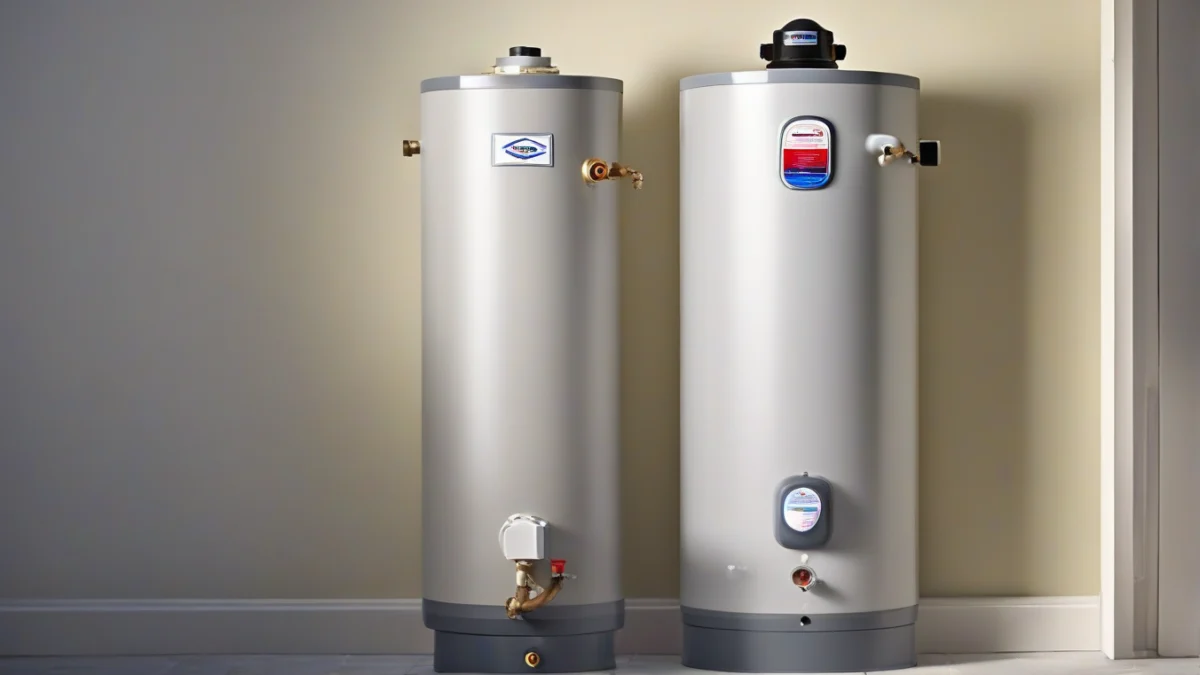
Rheem Performance models ship with a factory-installed anode rod, usually magnesium or aluminum. The rod attracts corrosion that would otherwise pit the steel shell. When it’s badly thinned—more than half consumed, heavily pitted, or coated down to the core wire—replacement is due. A fresh rod costs twenty to fifty dollars and buys another three to five years of tank life.
The part number depends on your model and the access layout at the top of the heater. Rheem water heaters use hex-head rods, combo rods that thread into the hot outlet, or separate anode rods with their own port. Check the model and serial number tag on the tank. For a Rheem Performance XE20P06PU20U0, the factory anode is typically a 3/4-inch hex-head rod; the replacement part number is often kit 21868042 or an equivalent that matches the thread and length for that twenty-gallon electric model.
Inspection every three to five years is the standard recommendation. Pull the rod, measure what’s left, and look for heavy calcium buildup or exposed core wire. If more than six inches of solid rod remains and the surface hasn’t flaked away to bare wire, it’s still working.
A working anode rod can’t reverse damage already done. If the tank has an active leak, rust stains below a fitting, or water pooling at the base, the steel has corroded through. Replacing the rod at that point won’t patch a hole or stop a drip. The anode rod is preventive, not a cure for a tank that’s already rusted out.
How The Rod Protects The Tank

The anode rod works by galvanic corrosion. Two different metals in the same water create a weak electrical current, and the more reactive metal—magnesium or aluminum in the rod—corrodes first. That sacrificial process leaves the steel tank lining and shell protected, because the corrosion targets the rod instead.
Think of it as a decoy. The water inside a heater always has some mineral content and dissolved oxygen, both of which encourage rust. The anode rod gives those elements something easier to attack. As long as the rod has metal left to give up, the tank stays largely intact.
Hard water speeds the process. Calcium and magnesium in the water coat the rod and the tank bottom, and higher thermostat settings—above 130°F—accelerate both mineral buildup and the electrochemical reaction that consumes the rod. A heater set at 140°F in an area with hard water may need a fresh anode rod every two to three years instead of five.
A sulfur or rotten-egg smell sometimes points to a reaction between the anode rod—especially magnesium—and sulfate-reducing bacteria in the water. It’s not a sign the heater has failed. Switching to an aluminum or powered anode rod can stop the smell without giving up tank protection.
Replacing an anode rod costs thirty to fifty dollars in parts if you do it yourself, or one hundred fifty to two hundred fifty dollars with a plumber’s visit. A new forty-gallon tank and installation runs twelve hundred to two thousand dollars. The rod is cheap insurance, and catching it before the tank rusts through is the point of checking it at all.
Which Socket And Access You Need
Socket size and style depend on the anode head fitted to your specific Rheem Performance model. Most use a 1-1/16 inch hex head, but some older units have a different hex or a slotted plug. Check the service label on the heater or the parts diagram in the manual before you buy a socket.
Clearance matters as much as the socket. You’ll need roughly 18 inches above the heater to lift the rod straight out once it’s loose. If the ceiling is low, or if vent pipes and water lines crowd the top, a flexible socket extension or a segmented anode rod solves the problem. Segmented rods come apart in short sections, so you can extract them without full vertical clearance.
If you can’t get the clearance, order a segmented or flexible anode designed for tight installations. Standard rods won’t bend, and forcing one out at an angle can damage the tank threads or snap the rod.
When Replacement Makes Sense
Replace the rod if it’s thinned down to less than half its original diameter, if bare steel wire shows through the magnesium or aluminum coating, or if mineral buildup has turned it into a brittle, crumbling stick. Checking every two to three years lets you catch wear before the tank starts corroding.
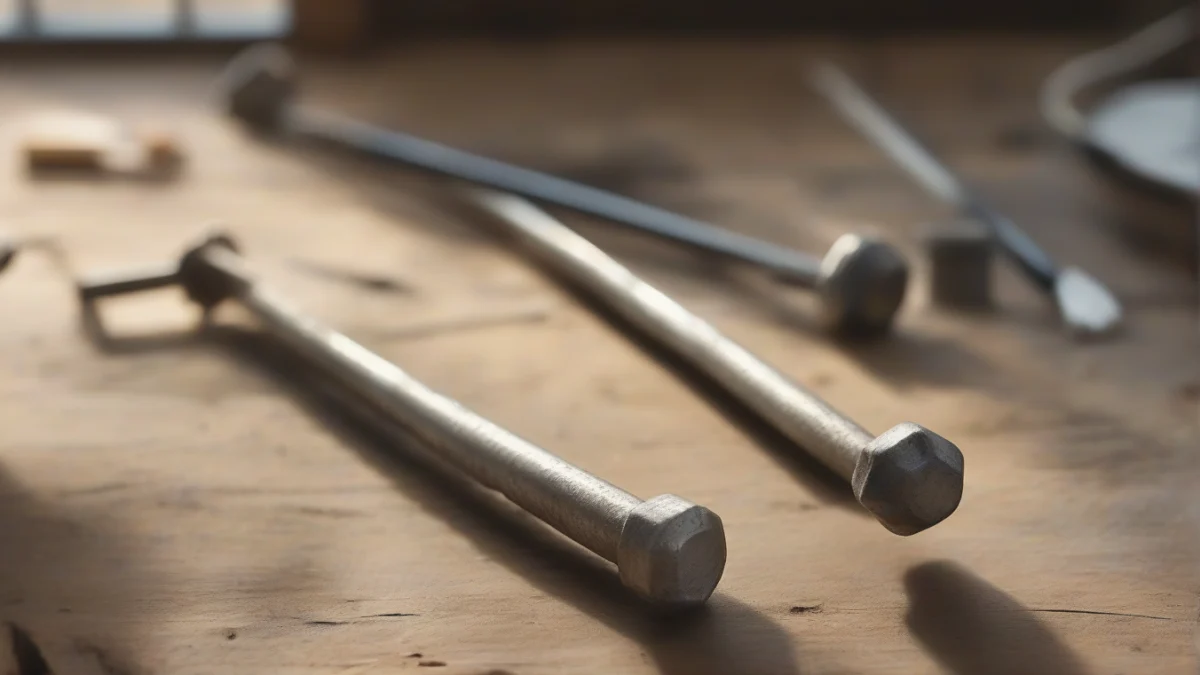
Replacement makes sense when the tank is otherwise sound: no leaks, no rust spots on the jacket, and the burner or elements still heat normally. Installing a fresh rod at that stage buys you several more years of service for about thirty to fifty dollars and an hour of work.
Once the tank itself starts leaking, a new anode won’t help. Corrosion has already eaten through the steel, and the only fix is a new heater. Don’t spend money on a rod for a tank that’s already failing.
For the Rheem XE20P06PU20U0 and similar Performance models, check the service label for the exact anode kit number. Kit 21868042 fits some mid-2010s units, but always confirm against your model’s documentation before ordering. Step-by-step instructions for pulling and installing the rod are covered in the rheem water heater anode rod replacement guide.
What Happens If You Wait Too Long
Once the anode rod is gone, rust-colored water is usually the first sign the tank steel has started corroding. You’ll see it at every tap, sometimes with a metallic taste. Popping or rumbling noises come next as sediment hardens on the tank floor and traps steam bubbles underneath during heating cycles. Visible rust around the top fittings or the drain valve tells you corrosion has moved past surface staining.
Replacing the anode rod at that point won’t reverse damage already done to the tank. Galvanic protection only works while sacrificial metal remains; bare steel exposed to water and oxygen will keep rusting whether you drop in a new rod or not. Sediment buildup accelerates the process by holding moisture against the bottom of the tank between heating cycles.
Gas and electric models both have connections at the top that shouldn’t be disturbed if the heater is already failing. For a Rheem Performance model like the XE20P06PU20U0, anode replacement requires working around the flue collar on a gas unit or the wiring junction on an electric one. Cramped clearances or signs of rust around those fittings mean it’s time to call a licensed plumber or electrician rather than risk a gas leak or a short circuit.
Timing matters because a worn rod is still doing partial work. Completely depleted, it’s just a steel core that offers no protection at all, and the clock on tank life starts running fast.
The Short Answer For Buyers And DIYers
Match the heater model number first—it’s on the data label stuck to the tank—then find the anode rod style and head size for that specific Rheem Performance series. Most use a hex head that takes a 1 1/16-inch socket, but some older or regional models vary. Kit 21868042 is a common Rheem anode assembly, though you’ll want to confirm fitment rather than guess.
Seized threads and tight spaces defeat a lot of DIY attempts. Breaker bars and penetrating oil help, but if the hex head rounds off or the nipple starts twisting in the tank threads, stop. You’re one mistake from a leak that means replacement anyway.
Read the label, pull the rod if access allows, and decide whether the core still has metal left. Tanks with years of service ahead get the new rod; tanks that are already corroding get budgeted for replacement before the next heating season.
Frequently Asked Questions
What is an anode rod on a Rheem Performance water heater?
How often should I replace the anode rod in a Rheem water heater?
What size socket do I need for a Rheem anode rod?
What does anode kit 21868042 fit?
Can I replace the anode rod if the tank is already rusty?
Why does my water smell like rotten eggs after an anode replacement?

HeaterGuides covers home heating, water heating and HVAC: how the equipment works, what it costs to run, and how to use it safely.
