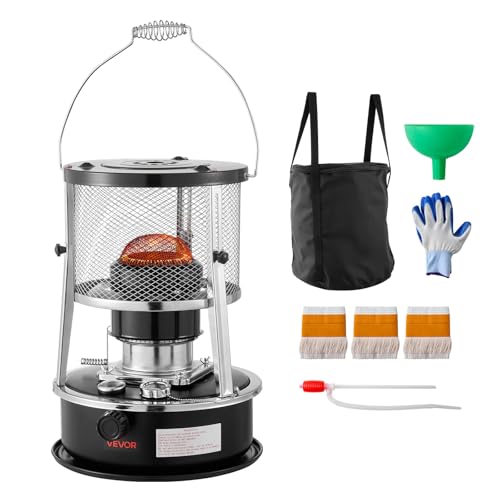
Heating without electricity means relying on fuel-burning or passive heat sources like wood, propane, or kerosene. Many people assume electric heaters are the only safe indoor option, but that’s not true — though safety precautions and ventilation are key.
Choosing the right alternative heat source depends on your space, budget, and how you plan to use it. We’ll explain how each works, what they cost to run, and what you need to know before buying or operating one.
Alternative Heat Sources Without Electricity
For heat without electricity, your practical choices are indoor-rated propane or kerosene heaters, a properly installed wood stove, and—only with the right backup— a pellet stove. Propane and kerosene can suit a room during an outage, wood works best as a permanent whole-room or whole-home system, and pellet heat usually needs electricity for its feed motor, ignition and fan.
An alternative heat source is any heater that gets its heat from fuel, combustion or stored thermal energy instead of a resistance element powered by the wall. The fuel matters, but so does the room: a living area with a listed vented appliance is a different job from a bedroom, garage or enclosed porch.
| Heat source | How it makes heat | Best fit | Main limitation |
|---|---|---|---|
| Propane heater | Burns propane; convection models warm air, while infrared models radiate heat to people and nearby objects. | A listed indoor model for a room or short outage. | Combustion creates carbon monoxide and water vapor; ventilation and a CO alarm are required. |
| Kerosene heater | Burns 1-K kerosene in a wick or burner and releases heat into the room. | A ventilated room during a power outage. | Use 1-K kerosene only—never gasoline—and only an indoor-rated model indoors. |
| Wood stove | Burns split wood in a firebox; the stove and chimney transfer heat into the room. | A living room or cabin with a permitted chimney and proper clearances. | Needs dry wood, tending and annual chimney inspection and sweeping. |
| Pellet stove | Burns compressed pellets in a combustion chamber, usually with an electric auger, igniter and blower. | A home with normal power or a properly sized backup system. | Most models stop working during an outage without electricity. |
| Fuel-powered infrared heater | A propane or kerosene burner heats a radiant panel or surface, which warms people and objects directly. | Spot heating in a room where you need warmth quickly. | Radiant heat is directional; fuel-burning safety rules still apply. |
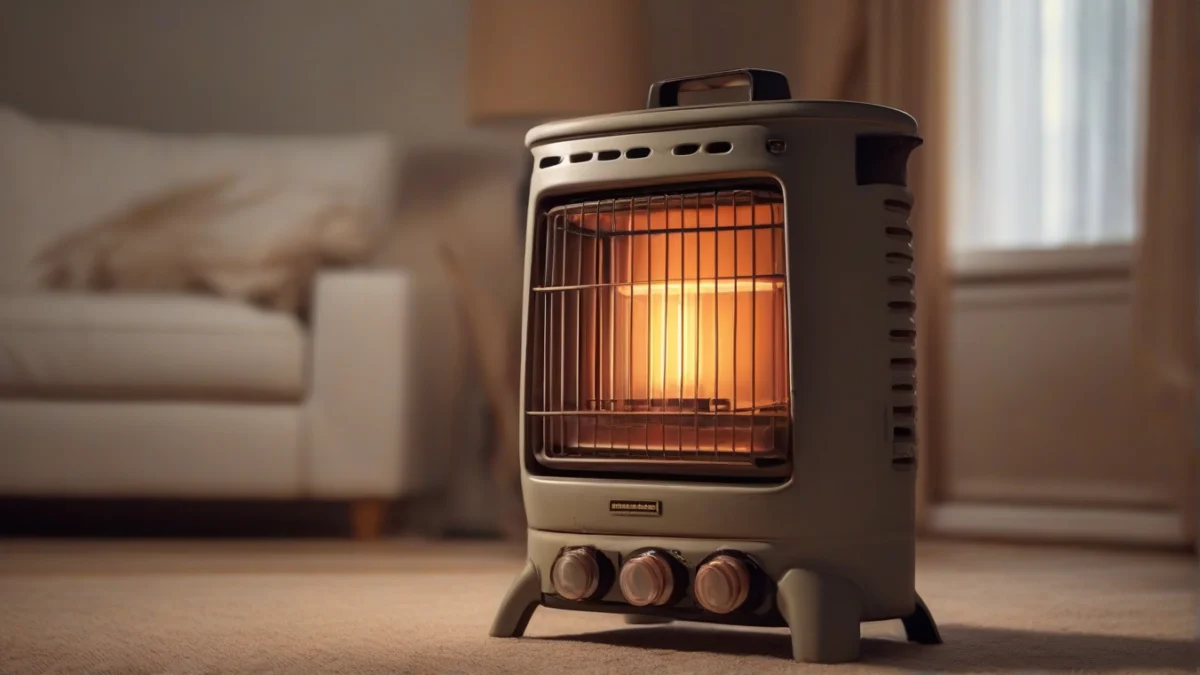
Propane and kerosene heaters can warm a room without a wall outlet, but choose the room carefully. A living room or workshop with the ventilation required by the manual is more suitable than a small bedroom, bathroom or tightly sealed space. Never use a patio, torpedo or construction heater indoors, in a tent or inside a vehicle cabin.
Wood stoves make sense where you can install the listed stove, chimney and hearth to the manufacturer’s clearances and local code. They suit a central living space better than a hallway or bedroom. Pellet stoves give cleaner, controllable heat for many homes, yet the auger and blower make them a poor emergency choice unless your battery or generator setup is designed for that appliance.
Alternative Heat Sources for Homes
For most homes, indoor-rated propane or kerosene heaters work best for temporary room heating, while wood stoves provide durable whole-home heat and pellet stoves need battery or generator backup. Fuel infrared heaters are a propane or kerosene variation that warm people and nearby surfaces directly, so they can feel effective before the whole room reaches a comfortable temperature.
| Heat source | Best home setting | Main advantages | Main drawbacks |
|---|---|---|---|
| Propane heater | Living room, basement, or emergency zone heating | Portable, quick heat, no chimney required on some indoor-rated models | Uses fuel indoors, needs the ventilation specified by the manual, and may be restricted in apartments |
| Kerosene heater | Large occupied room or short-term outage heating | High heat output and long runtime from a portable fuel supply | Odor, refueling, 1-K kerosene requirement, and combustion ventilation |
| Wood stove | Main living area of a house or cabin | Steady radiant and convective heat with no electrical control needed | Requires a listed stove, chimney, clearances, dry wood, and regular sweeping |
| Pellet stove | House with a generator or battery backup | Automatic fuel feed and even heat during normal operation | The auger, fan, and controls need electricity; outages can stop the stove |
| Fuel infrared heater | Occupied room where fast personal warmth matters | Direct radiant warmth can feel comfortable without heating every cubic foot of air | Limited room coverage, fuel handling, and indoor-air requirements |
An alternate heat source for an apartment is usually an indoor-rated propane heater only if the lease, local code, and heater manual allow it. Many apartments prohibit stored propane cylinders, kerosene, wood-burning appliances, or any unvented combustion device; limited ventilation and shared alarms make a bad setup harder to correct. A landlord-approved vented appliance is a different installation and usually needs professional work.
Room size and comfort point in different directions. A fuel infrared heater suits a seated person in a living room, workshop, or other occupied zone because radiant heat reaches you directly. Propane and kerosene heaters suit open living areas during an outage, but bedrooms and bathrooms are poor places for portable combustion heat. A wood stove belongs in the main room with its chimney route already planned; a pellet stove suits that same central space only when backup power can run its feed system.
Maintenance also separates the choices. Propane heaters need cylinder, hose, regulator, and burner checks; kerosene heaters need clean 1-K fuel and wick or burner care; wood stoves need annual chimney inspection and sweeping; pellet stoves need ash removal and a clear exhaust path. Never burn trash or treated wood in a stove. For a product shortlist tied to home size and outage use, see the best alternative heat for your home.

Alternative Indoor Ventless Propane Heat Sources
Alternative indoor ventless propane heat sources include portable indoor-rated heaters and vent-free wall heaters, but they belong indoors only where local code and the manufacturer’s instructions allow them. For a safe alternative heating source inside your home without electricity, choose an indoor-rated vented propane heater when possible; a ventless model needs stricter checks because its combustion gases enter the room.
A ventless, also called unvented or vent-free, propane heater burns gas in the room and sends the heat there directly. The same process also adds water vapor and combustion byproducts to the room air. An oxygen depletion sensor watches for falling oxygen and shuts the gas valve if oxygen drops too far, but that sensor is not a carbon monoxide detector.
| Heater type | What happens indoors | Main trade-off |
|---|---|---|
| Vented propane heater | Combustion gases leave through an approved vent or flue. | Needs installation, clearances and a suitable vent path. |
| Ventless propane heater | Heat and combustion byproducts remain in the room. | Simpler installation, but requires code approval, ventilation and a working CO alarm. |
Local rules vary: some states, cities and building codes restrict or prohibit vent-free gas heaters, and some permit them only as supplemental heat or in specified rooms. Check the current code office requirements before buying; a product sold in your state isn’t automatically legal in every room or installation.
How Long a 20 lb Tank Lasts
Alternative propane heat sources can run from roughly 22 to 95 hours on a full 20 lb tank, depending mainly on the heater’s BTU input and the setting you use. A 4,000 BTU-per-hour heater uses far less propane than an 18,000 BTU-per-hour heater, even if both connect to the same tank.
A 20 lb propane cylinder holds about 4.7 gallons, and propane contains about 91,500 BTU per gallon, giving the tank roughly 430,000 BTU of fuel. Divide that figure by the heater’s input rating in BTU per hour for a planning estimate. Real run time can be shorter because the tank isn’t drained perfectly, cold weather affects vaporization, and thermostatic heaters cycle instead of burning continuously.
| Heater input | Approximate propane use | Estimated hours from 20 lb |
|---|---|---|
| 4,000 BTU/h | 0.21 lb per hour | About 95 hours |
| 9,000 BTU/h | 0.46 lb per hour | About 43 hours |
| 18,000 BTU/h | 0.92 lb per hour | About 22 hours |
Read the input rating on the heater label or in its manual rather than guessing from the advertised heat output. A 20 lb tank may last only about a day at 18,000 BTU/h, while a low 4,000 BTU/h setting can stretch the same fuel across several days. Never bring a cylinder indoors unless the cylinder and heater instructions specifically allow that arrangement; follow the model’s fuel-storage directions.
Safe Use and Ventilation Tips for Non-Electric Heaters
Safe alternative heat sources for inside a home without electricity are indoor-rated propane or kerosene heaters and a properly installed wood stove. A pellet stove usually needs electricity for its controls and feed motor, so it needs an approved backup power source during an outage. Outdoor propane heaters, patio heaters, torpedo heaters and construction heaters don’t belong inside a home, garage, tent or vehicle cabin.
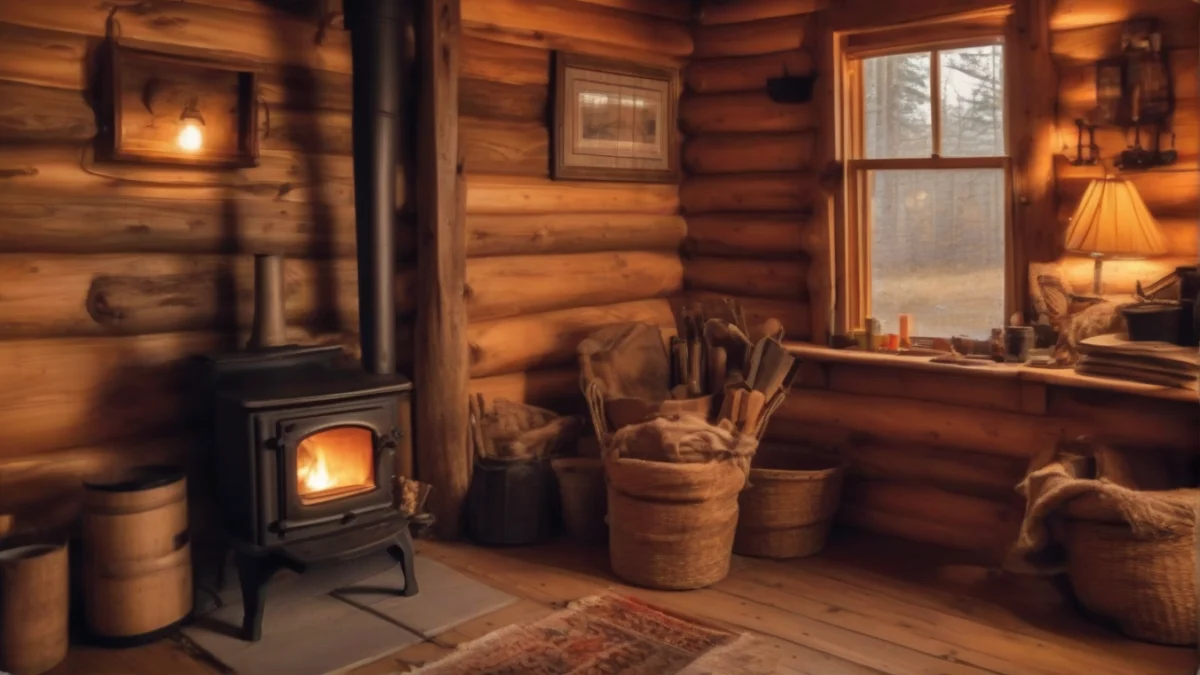
Propane heaters must have the ventilation required by the manual, along with a working carbon monoxide alarm. An oxygen depletion sensor can shut off some indoor-rated propane heaters when oxygen falls, but it doesn’t replace fresh air or a CO alarm. Kerosene heaters also need the manual’s ventilation, burn 1-K kerosene only, and must never use gasoline. Wood heaters need a listed chimney or vent that exits outdoors, the required combustion air and clearances, plus regular chimney inspection and sweeping.
Place a portable fuel heater on a level, stable surface and keep it away from curtains, bedding, furniture, paper and clothing. Use the clearance printed on the heater or in its manual; as a conservative starting point, keep at least 3 feet around a portable heater unless the manufacturer requires more. A wood stove’s wall, floor and stovepipe clearances come from its listing and local code, so don’t copy the spacing from another stove.
Keep fuel containers outside living areas and away from ignition sources, following the fuel and heater instructions. Don’t burn trash or treated wood in a wood stove, and don’t use a wood stove with a damaged flue, loose connector or chimney blockage.
Checklist Before Buying or Lighting an Alternative Heater
Before buying or lighting an alternative heat source without electricity, match the heater to the room, its fuel supply and the home’s ventilation and alarm setup. A heater that fits the BTU need but lacks a safe vent path is still the wrong heater.
For help comparing heater types before you buy, use this alternative heat source buying guide after you have measured the room and checked the fuel you can safely store.
Questions People Ask
What are the safest alternative heat sources without electricity for indoor use?
Can I use a ventless propane heater safely inside my apartment?
How much heat will a 20 lb propane tank provide?
Is kerosene heating safe indoors without electricity?
What ventilation is required for wood stoves indoors?
Can infrared heaters work without electricity?

I am a mechanical engineer and love doing research on different home and outdoor heating options. When I am not working, I love spending time with my family and friends. I also enjoy blogging about my findings and helping others to find the best heating options for their needs.
Related guides

Reliable Indoor Heater with Quiet Operation Mode Reviewed
For homeowners seeking warmth without noise, an indoor heater with quiet operation mode ensures comfort and peace. Indoor…
Cozy Warmth: My Electric Indoor Heater with Digital Thermostat
For homeowners seeking efficient warmth, an electric indoor heater with digital thermostat offers precise comfort control. These heaters…
Cozy Up Fast: Best Portable Indoor Heater for Hallway Space!
Chilly hallway making your home uncomfortable? A portable indoor heater for hallway space warms up fast and saves…