3″ Double Wall Water Heater Exhaust Pipe Guide
On this page 5 sections
A double wall water heater exhaust pipe enhances safety by preventing heat loss and protecting against carbon monoxide leaks, ensuring efficient venting.
Proper venting is critical for gas water heater safety and performance. A 3″ double wall water heater exhaust pipe provides the durable, high-temperature solution needed for efficient venting. This guide covers everything from code requirements to installation best practices.
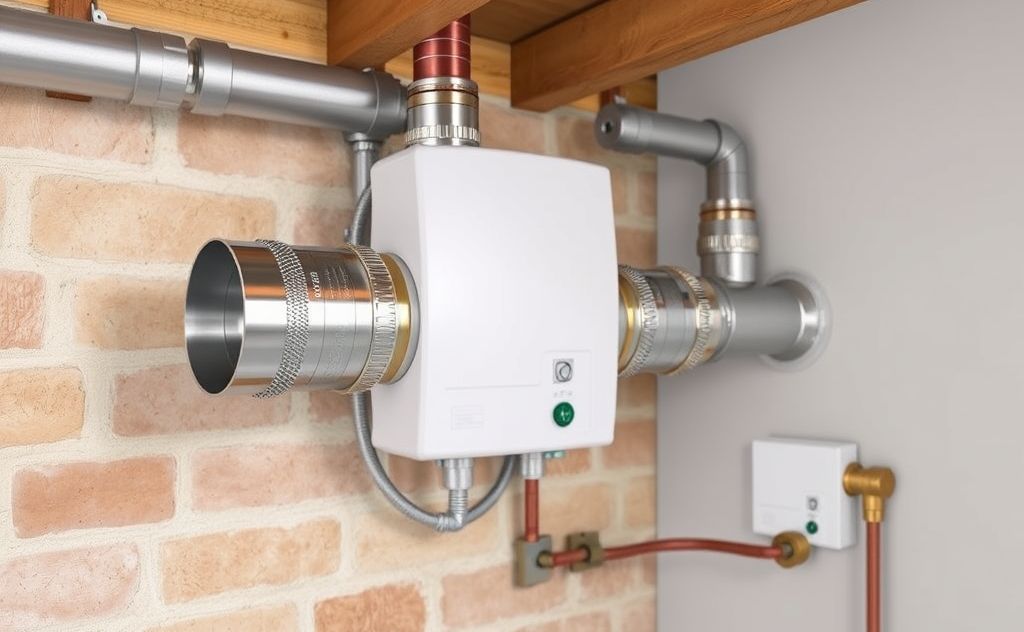
What is a Double Wall Water Heater Exhaust Pipe?
Double wall exhaust pipes feature two layers of metal with an air gap between them. This construction offers several advantages:
- Outer wall stays cooler for safer operation
- Inner wall withstands high exhaust temperatures
- Improved draft efficiency
- Reduced condensation issues
Materials Used
Most quality exhaust pipes use:
| Material | Benefits |
|---|---|
| Stainless steel | Corrosion resistant, long lifespan |
| Aluminized steel | Cost effective, good durability |
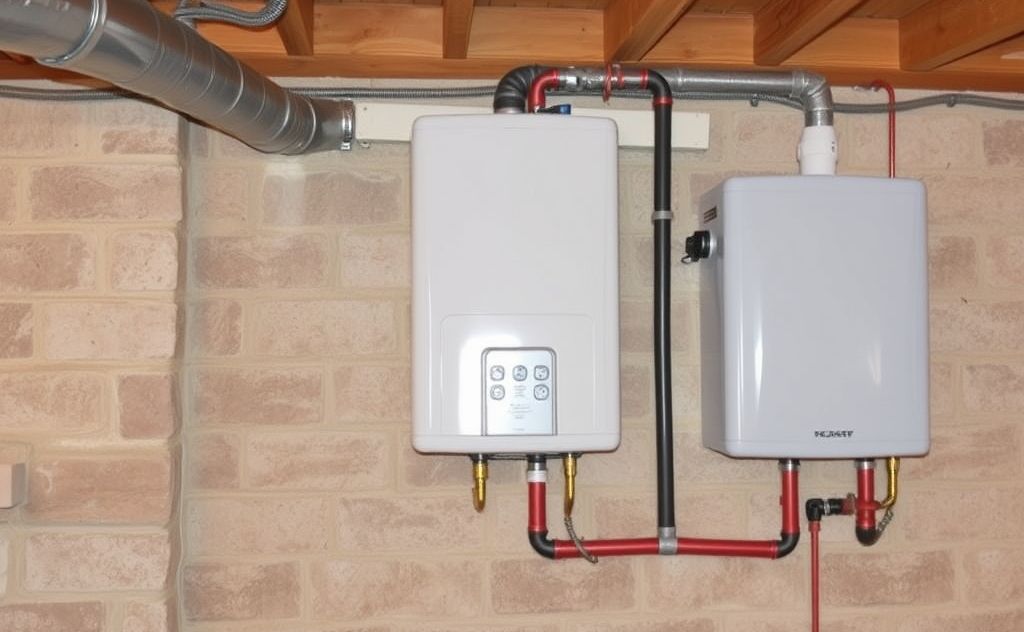
Code Requirements for Water Heater Venting
The Georgia State Minimum Standard Codes reference several important standards:
- SBCCI Standard Gas Code (1994 with 1995 amendments)
- SBCCI Standard Mechanical Code (1994 with 1995 amendments)
- National Electrical Code (1996 edition)
Key Venting Requirements
Proper installation must address:
- Minimum clearance to combustibles
- Proper slope (typically 1/4″ per foot upward)
- Correct pipe diameter (3″ is common for residential)
- Appropriate termination point
Choosing the Right 3″ Double Wall Pipe
Consider these factors when selecting your exhaust pipe:
Temperature Rating
Water heater exhaust gases can reach 400-500°F. Choose pipe rated for at least 550°F continuous operation.
Certifications
Look for UL-listed or CSA-certified products that meet HVAC venting standards.
Installation Type
Determine if you need:
- Type B vent (natural draft applications)
- Direct vent (sealed combustion systems)
- Specialty venting for high-efficiency units
 Water Heater Owner's ToolkitFix the common faults yourself, keep it running for years, and know when a repair is money wasted.No-hot-water flowcharts, gas and electricFlush, anode, relief valve and descaling stepsRepair-or-replace calculator (Excel)
Installation Best Practices
Follow these guidelines for safe operation:
Clearance Requirements
Maintain proper spacing from combustible materials:
| Pipe Type | Minimum Clearance |
|---|---|
| Single wall | 6 inches |
| Double wall | 1 inch |
Support and Bracing
Support pipes every 4 feet vertically and every 10 feet horizontally. Use proper HVAC foil tape for sealing joints.
Termination
Vent must extend at least:
- 12 inches above roof surface
- 3 feet above any forced air inlet
- 4 feet horizontally from doors/windows
Maintenance and Inspection
Regular checks ensure safe operation:
- Inspect annually for corrosion or damage
- Check all joints and connections
- Verify proper draft
- Clear any obstructions
Troubleshooting Common Issues
Watch for these warning signs:
- Condensation dripping from joints
- Soot accumulation inside pipe
- Discoloration of outer pipe surface
- Unusual odors near water heater
Related pick: Check price on Amazon

