Are WW7 Yoga Space Heaters Safe? What You Should Know
On this page 6 sections
Infrared heaters like the WW7 model work by emitting infrared radiation that warms surfaces and bodies directly, rather than relying on heating the air. This makes them a popular choice for yoga studios where quick, even warmth is needed without drying the air.
Understanding how these heaters operate and what that means for running costs, safety, and room suitability helps you decide if a WW7 yoga space heater fits your practice space.
What WW7 Yoga Space Heaters Are and How They Work

WW7 yoga space heaters use infrared heating elements that send warmth directly to your body and nearby objects, rather than heating the air first. This makes them efficient for yoga rooms where steady, focused heat is preferred.
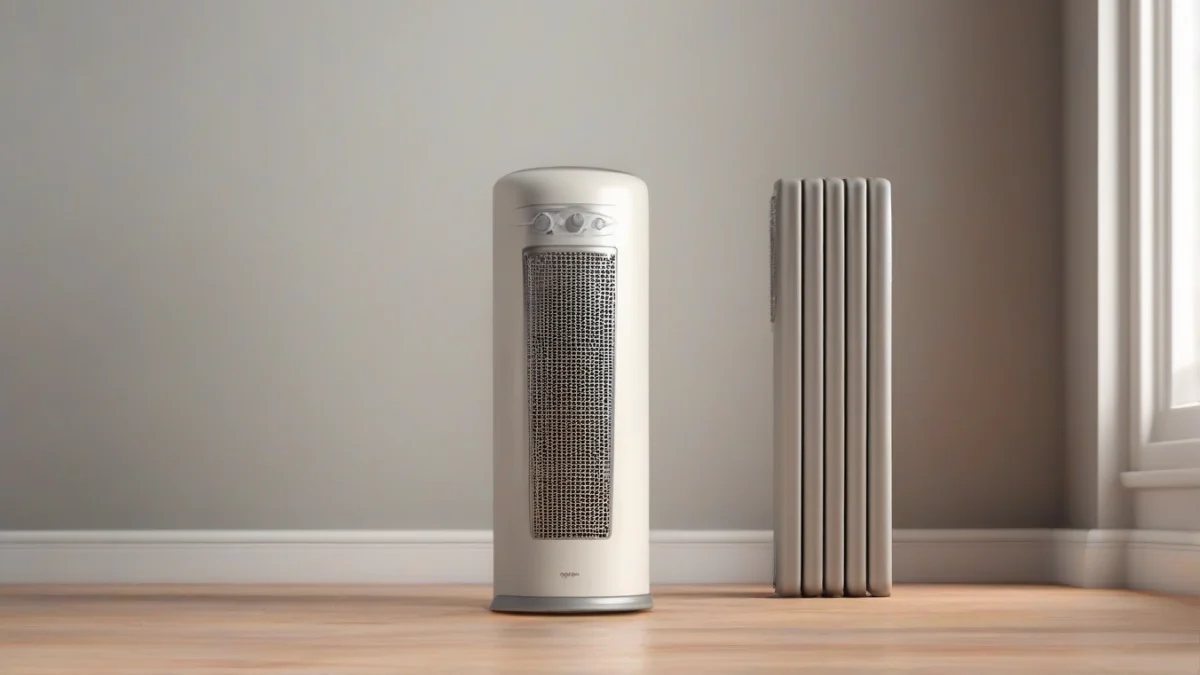
Infrared heating works by emitting invisible rays that travel through the air without warming it significantly. When these rays hit solid surfaces—like your skin, yoga mats, or walls—they convert into heat. This direct approach means you feel warm almost immediately, even if the room air stays cool.
Unlike convection heaters, which rely on heating the air that then circulates around the space, infrared heaters bypass the air and focus on raising the temperature of objects and people themselves. Convection heating can take longer because the warmed air needs to circulate to reach you, and it tends to lose heat quickly when doors open or the room isn’t well insulated.
For yoga studios and home practice areas, this makes a big difference. Yoga often involves holding poses in one spot, so warming your body directly rather than the surrounding air provides steady, comfortable heat without wasting energy on heating empty space. It also reduces dry air issues common with forced-air heating, keeping the environment more pleasant for breathing during sessions.
The WW7 models are designed specifically with this infrared technology to suit yoga environments, delivering targeted warmth with efficient energy use. They typically come with controls that allow adjusting heat intensity and direction, so you can focus warmth where it’s needed most without overheating the whole room.
If you want to understand more about how infrared heating benefits yoga studios specifically, the related guide on infrared heating for yoga studios covers the topic in detail, including running costs and comfort advantages.
How Infrared Heating Affects Running Costs and Comfort
Infrared heaters like the WW7 model convert electricity to radiant heat without warming the air, reducing energy loss. For example, a 1,500 W heater running 2 hours uses 3 kWh; at 17 cents per kWh that costs about 51 cents. You feel heat immediately, which can lower the thermostat setting and save on heating bills.
Electricity costs vary, but at 17 cents per kWh, one hour of running a 1,500-watt infrared heater costs about 25 cents. If a yoga session lasts 90 minutes and you run the heater only during that time, your cost is roughly 38 cents per session.
Infrared heaters like the WW7 are energy efficient because they heat objects and people directly, not the air. Unlike convection heaters that warm the air around them, infrared radiation travels in straight lines and warms surfaces it hits. This means less heat is lost to drafts or cold air layers, so the heater doesn’t need to run as long or as hot.
Because the heater focuses warmth where you need it—on your body and the yoga mat—infrared heating can feel more comfortable at lower room temperatures. In a typical studio, you might set a convection heater to 72°F to feel warm, but with infrared, 65°F can feel just as cozy. That saves energy by reducing the air heating load.
Infrared heating also avoids the dry air commonly caused by convection heaters, which can be a nuisance during yoga practice. The radiation warms without circulating or drying out the air, so breathing stays comfortable. This is a big plus for extended sessions or hot yoga where hydration and air quality matter.
Direct heating means the heater’s effect is immediate. When you start a session, the infrared heater quickly warms your body and mat, not the whole room, so comfort comes faster. Convection heaters can take 15 to 30 minutes to raise room temperature enough for comfort, increasing energy use during warm-up.


Safety Features to Look for in Yoga Space Heaters
Look for WW7 yoga space heaters with tip-over switches and overheat protection to avoid fire risks. A sturdy base and automatic shut-off if tipped or overheated are key safety features. Always keep at least 3 feet clear around the heater and never leave it unattended during use.
Tip-over protection is critical. It shuts off the heater automatically if it tips over, which can happen if the unit is bumped or placed on an uneven surface. Overheat protection turns the heater off if it reaches unsafe temperatures, preventing fire hazards and damage.
Clearance distances matter. Keep at least 3 feet of space around the heater free from anything combustible like mats, towels, or curtains. Place the heater on a stable, flat surface where it won’t get knocked over during yoga moves, stretching, or rolling.
Improper use is the leading cause of heater accidents. Never plug a space heater into an extension cord or power strip—always use a dedicated wall outlet. Avoid placing heaters in damp or wet areas to prevent electrical hazards.
Ventilation is important for any indoor heater, including infrared models. While they don’t burn fuel or produce combustion gases, they still warm enclosed spaces. Make sure the room has adequate airflow to prevent stuffiness and maintain air quality during sessions.
Space heaters are dangerous mainly because of fire risk and electrical faults. Using one with proper safety features, stable placement, and following the manufacturer’s instructions minimizes these risks.
 Winter Heating Bill CutterSee what every heater in your home really costs, heat the rooms you use, and cut the waste in 30 days.Cost-per-hour tables for every heaterThermostat schedule and draft-proofing planRunning-cost and bill calculator (Excel)
Which Rooms and Yoga Spaces Suit WW7 Infrared Heaters
WW7 infrared heaters suit small to medium yoga spaces up to about 200 square feet. They work best in rooms with some insulation and limited drafts, where direct radiant heat keeps practitioners warm without overheating the air. Avoid using them in large, open spaces where their focused heat won’t spread evenly.
These heaters shine in studios and home yoga spaces where the goal is to warm bodies and mats quickly. Because infrared heat warms objects directly, you feel comfortable faster than with a conventional heater that heats the air first. This makes them ideal for yoga sessions that start and stop rather than continuous heating.
High humidity environments like bathrooms or poorly ventilated laundry areas are not suitable. Infrared heaters don’t reduce moisture, and damp air can interfere with their effectiveness and longevity.
If your yoga room is large, poorly insulated, or consistently humid, ceramic or oil-filled heaters might be better. Ceramic heaters use a fan to distribute warm air, which helps in bigger or draftier spaces. Oil-filled radiators keep emitting heat for a while after switching off, which smooths temperature swings in colder, larger rooms.
For smaller home yoga and relaxation spaces, WW7 infrared models provide a fast, focused heat experience. They are also a solid choice if you want something quieter and less bulky than oil-filled units.
People often search for space heater Walmart options for convenience, but be sure to check that the model you pick suits your room size and safety needs. The best small space heaters combine a reliable thermostat, safety certifications, and heating power matched to your yoga environment.
Comparing WW7 Infrared Heaters to Other Space Heater Types
Compared to convection heaters, WW7 infrared heaters provide faster warmth by heating objects and people directly. Unlike oil-filled radiators, they don’t rely on air circulation and cool quickly when off. They use standard 120 V outlets and draw up to 12.5 A, so check your circuit capacity before use.
Noise levels vary: WW7 infrared heaters and oil-filled radiators run silently since they have no fans. Ceramic heaters usually have a fan, producing noise around 34 to 43 decibels, similar to a quiet library or a soft conversation. This difference matters in yoga spaces where silence helps concentration.
Maintenance needs are low for all three types, but oil-filled heaters require periodic checks for leaks and corrosion, especially if stored unused for long. Infrared and ceramic heaters mostly need dusting and occasional filter cleaning if present.
Energy use depends on wattage and run time, but infrared heaters can feel more efficient because they warm you directly without heating all the air. Safety features like tip-over switches and overheat protection are common on quality models across types. Oil heaters have no exposed heating elements, reducing burn risk, while ceramic and infrared heaters rely on proper casing and safety certifications.
| Feature | WW7 Infrared Heater | Ceramic Heater (e.g., Amazon Basics) | Oil-Filled Radiator |
|---|---|---|---|
| Heating Method | Infrared radiation warming objects directly | Ceramic element with fan blowing warm air | Heated oil circulating inside radiator fins |
| Heat-Up Speed | Within seconds | Within minutes | 10 to 20 minutes |
| Noise Level | Silent | 34 to 43 dB (fan noise) | Silent |
| Maintenance | Minimal (dusting) | Minimal (dusting) | Periodic checks for leaks |
| Energy Use | Efficient for small, targeted zones | Moderate, depends on fan usage | Steady but slow heat emission |
| Safety | Tip-over and overheat protection if certified | Tip-over and overheat protection | Enclosed heating element, no fan |
| Best For | Small to medium yoga spaces with quick heat needs | Medium rooms needing faster air circulation | Larger rooms needing steady background heat |