

Get the size wrong and you pay for it twice: first in wood, then in comfort. A stove that is too large will cycle hot and cold, while one that is too small will burn all day and still leave the far bedroom chilly.
An extra-large stove also brings practical limits that matter in real houses: floor clearance, flue draft, log length, and whether the room can actually move the heat to where you sit.
Wood Fire Stove Large Burner: What Size You Actually Need
A wood fire stove large burner is only the right choice when the stove’s firebox volume and BTU output match your home’s heating load. Buying a large burner stove that’s too big wastes wood, overheats rooms, and makes controlling overnight burns harder.
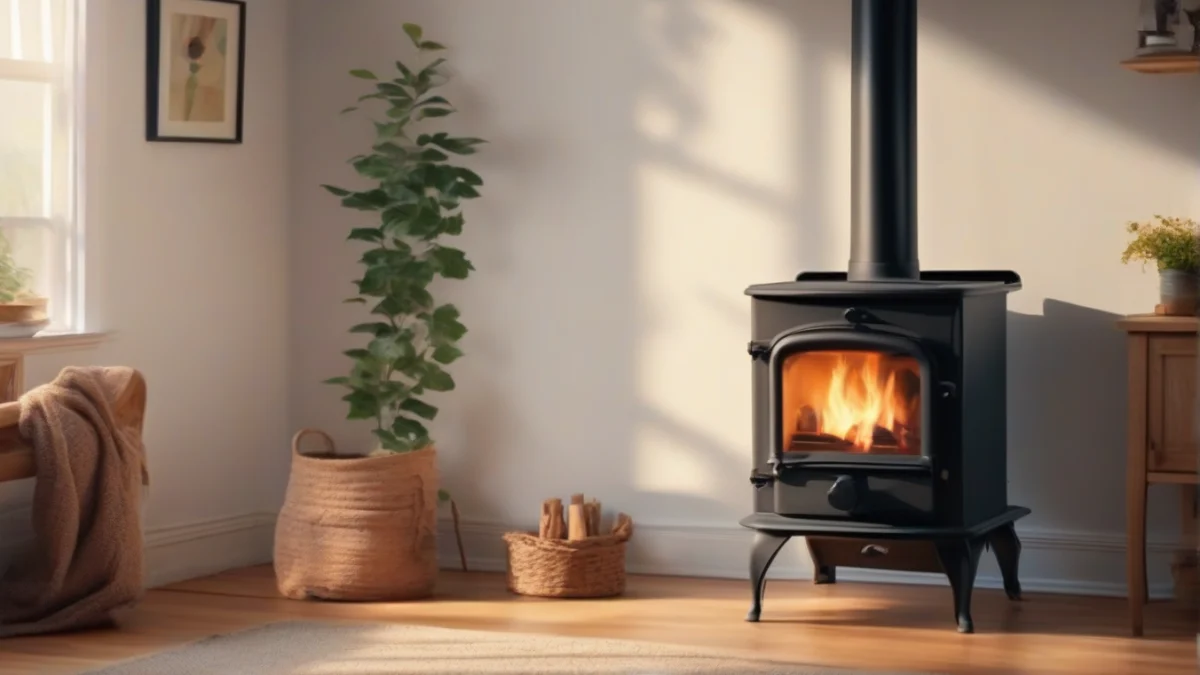
A wood burner stove sized for about 1,500 square feet with average insulation should deliver roughly 30,000 BTUs. For a 2,500-square-foot home, you’ll want a stove output closer to 45,000 to 50,000 BTUs because larger spaces and poorer insulation demand more heat.
Take the Drolet HT-3000 as an example: it’s rated to heat 1,000 to 2,700 square feet, making it a good fit for medium to large homes with typical insulation. On the other hand, a wood burner stove like the Empire Stove Gateway 3500 outputs up to 110,000 BTU per hour, suitable for much bigger spaces or poorly insulated homes.
Firebox volume is part of the equation. Stoves with fireboxes under 2,000 cubic inches usually require refueling every 3 to 4 hours, which can be inconvenient if you want longer burn times or overnight heat. Larger fireboxes let you burn bigger logs and keep the fire going longer, but only if your home’s heat load calls for that much output.
Insulation quality shifts the needed stove size up or down. A well-insulated 2,000-square-foot house might need closer to 40,000 BTUs, while a poorly insulated 1,500-square-foot home could require more than 30,000 BTUs. Assess your insulation before sizing a large burner stove.
| Home Size | Approximate BTU Output Needed | Firebox Volume for 3-4 Hour Reloads |
|---|---|---|
| 1,500 sq ft (average insulation) | ~30,000 BTU | Under 2,000 cubic inches |
| 2,500 sq ft (average insulation) | 45,000–50,000 BTU | Over 2,000 cubic inches for longer burns |
| Very large or poorly insulated homes | Up to 110,000 BTU | Large firebox, 3,000+ cubic inches |
Where The Heat Actually Goes
A large wood fire stove spreads heat mainly through radiation and convection, warming nearby objects fast and circulating warm air throughout the room.
Radiant heat travels in straight lines, heating floors, walls, furniture, and people close to the stove. This is why a beautiful wood burner stove with a large front glass door often feels warmer at first than a plain box stove—the visible flames and hot surfaces radiate directly into the living space.
Convection moves heat by warming the air around the stove, which rises and then circulates as cooler air is drawn in at floor level. This natural air movement spreads warmth beyond the immediate area.
Stoves with a blower take this a step further by pushing warm air into the room faster and farther. The trade-off is more noise and a need for electricity, but that can be worth it in a large open-plan space where fast heat distribution matters.
Open floor plans allow warm air to flow freely from the stove to other rooms, making heat distribution more even. In contrast, chopped-up layouts with many walls and doors can trap heat in one room, leading a large stove burner to make one area uncomfortably hot while remote rooms stay chilly.
The largest wood burner stove on the market can produce 100,000+ BTU per hour, enough for very large or poorly insulated homes. But if the floor plan blocks air circulation, that heat won’t reach distant rooms efficiently, defeating the purpose of a big stove.

Catalytic Or Non-Catalytic
Choosing between a catalytic and a non-catalytic wood stove depends mainly on how you value burn time, control, and maintenance. A catalytic stove uses a special coated honeycomb called a catalyst to burn smoke and gases at lower temperatures, stretching the burn and reducing emissions. Non-catalytic stoves rely on baffles and high temperatures to achieve clean combustion without a catalyst.
Catalytic models usually offer better low-output control and longer burn times, which can make overnight burns easier if the firebox volume and chimney draft are appropriate. This helps you keep the fire going with less wood and fewer refuelings. Non-catalytic stoves are simpler, often more rugged, and generally easier to maintain since they don’t have a catalyst that needs occasional replacement or special care.
| Feature | Catalytic Stove | Non-Catalytic Stove |
|---|---|---|
| Burn Control | Better low-output control and longer, steadier burns | Less precise low-output control, burns hotter when fed |
| Maintenance | Requires catalyst inspection and replacement every 5 to 10 years; catalyst care needed | Simpler firebox cleaning, no catalyst to monitor |
| Best For | Homes needing overnight burns or tighter burn control | Users wanting straightforward operation and simpler upkeep |
If you’re expanding your burner stove or looking at extra large models, catalytic stoves can make better use of the larger firebox by stretching burn time and smoothing heat output. However, if you want less fuss and a more robust setup, non-catalytic models often handle big logs and high BTU output with fewer maintenance demands.
Your choice hinges on balancing how much time you want to spend on maintenance against how much you want precise control and longer burns. A catalytic stove suits someone who values efficient overnight heat and is willing to maintain the catalyst. A non-catalytic stove fits those who prioritize simplicity and reliability.
Either way, matching the stove’s firebox volume and BTU output to your home’s heat load remains critical for performance and fuel efficiency. Oversizing or undersizing reduces the benefits of either design.
Overnight Burns And Log Length
A large burner stove with a firebox volume of at least 2,000 cubic inches is ideal to hold a fire overnight without reloading. Smaller fireboxes require shorter logs and more frequent reloads, which interrupts the overnight burn.
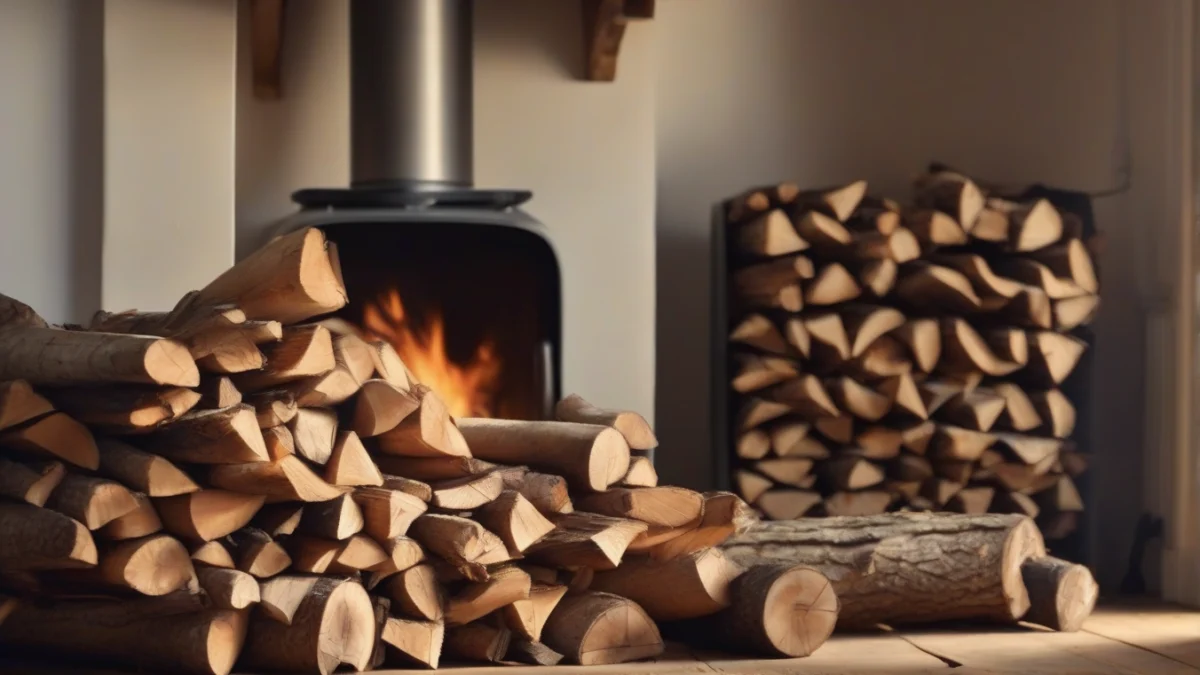
Logs at least 13 inches long fit most large stoves, but 16 to 18 inches is better for overnight burns. Longer logs provide more fuel mass and burn longer, which helps maintain heat from bedtime until morning.
A deep bed of glowing coals is just as important as firebox size. Coals keep the firebase hot, improving combustion efficiency and extending burn time. Without a sufficient coal bed, the fire cools too fast, forcing earlier reloads.
Blowers, Noise, And Room Layout
Blowers are not strictly necessary for effective heat distribution, but they help push warm air into larger or longer rooms where natural convection falls short.
A large stove burner without a blower relies mainly on radiant heat and natural air currents. This works well in open floor plans but can leave adjacent rooms cooler if airflow is restricted.
You’ll notice blower noise, which varies by model but can be distracting in living rooms or bedrooms. Consider where the stove sits and whether quiet operation matters to you before choosing a blower-equipped model.
If your stove sits in one room and you want heat to reach a hallway or adjoining space, a blower is a practical choice. It actively circulates air, improving heat spread and comfort beyond the stove’s immediate vicinity.
Installation And Maintenance That Keep It Safe
Extra large wood stoves need more than just size—they demand careful installation and regular maintenance to stay safe and efficient.
Clearances to combustibles must strictly follow the manufacturer’s listing and your local building code. This isn’t negotiable: even a few inches less clearance can cause dangerously high surface temperatures on nearby walls or furniture, risking fire.
Installing a wood stove in a mobile home requires special attention. Mobile home installations have tighter clearance requirements and often need an approved double-wall pipe and a listed floor protector. These setups are not casual DIY projects. Hiring a professional ensures code compliance and safety.
Alcove installations are another tricky area. When a stove is placed in a recessed space, additional clearances and heat shields are mandatory to prevent heat buildup and fire hazards. Local building inspectors must approve these installations.
Annual chimney inspection and sweeping are non-negotiable for any wood stove, especially large ones that burn more wood. Creosote buildup can ignite and cause chimney fires. If you burn 3 cords a year or more, plan on sweeping twice a year.
Emptying the ash pan regularly keeps airflow unobstructed and prevents moisture buildup that can corrode your stove’s bottom. Ash left too long can also cause uneven burns and damage the firebox floor.
Keep the glass air-wash system clean for the best fire view and efficient combustion. Soot buildup restricts air flow and lowers heat output. Use a damp cloth and avoid harsh chemicals that can scratch or weaken the glass.
Steel thickness and cast iron construction affect stove durability and heat retention. Thicker steel heats more slowly but lasts longer; cast iron holds heat longer and radiates it steadily. Still, good installation and maintenance matter more than marketing claims about materials.
Large wood stoves can produce more radiant heat and hotter surfaces, so keep children and pets away and teach household members about hot surfaces and proper operation.
For mobile home installation, use only stoves and venting components approved for mobile homes. Double-wall vent pipe and proper floor protection are mandatory, as is following mobile home-specific clearance rules.
If your stove is catalytic, maintenance also includes inspecting and possibly cleaning or replacing the catalyst after a few years of use to maintain emission standards and efficiency.
Regular draft checks ensure your stove draws air properly. Poor draft can cause smoke spillage into your room and inefficient burning, leading to more creosote and safety risks.
The right installation and maintenance keep your large burner stove safe, efficient, and long-lasting—more important than any marketing talk about cast iron or steel thickness.
For a more detailed look at mobile home installation rules, see our guide on How to Safely Install a Wood Stove in a Mobile Home.
Pellet Stoves And Hopper Size
Pellet stoves work differently from wood burner stoves: they use a hopper and an augur to feed fuel pellets automatically, instead of loading logs into a firebox. Hopper size directly affects how long the stove can run before needing a refill.
Most pellet stove hoppers hold anywhere from 20 to 50 pounds of pellets, which typically provides 8 to 12 hours of burn time at moderate heat settings. That may be fine for occasional zone heating, but it’s not enough for whole-home heating with a large stove burner.
Extra-large pellet stoves require at least an 80-pound hopper to avoid frequent refills. Models like the Cleveland Iron Works PS130W and Canyon Lodge C130W offer 130-pound hoppers. These can run continuously for 16 to 24 hours, matching the convenience expected from large wood stoves.
| Model | Hopper Capacity (lbs) | Continuous Burn Time |
|---|---|---|
| Cleveland Iron Works PS130W | 130 | 16–24 hours |
| Canyon Lodge C130W | 130 | 16–24 hours |
| Typical Small Hopper | 20–50 | 8–12 hours |
More Questions, Answered
How do I choose between a catalytic and non-catalytic wood stove?
What firebox volume do I need for overnight burns?
How does insulation affect stove sizing?
Are blowers necessary on a large wood stove?
What maintenance does an extra large wood stove need?

I am a mechanical engineer and love doing research on different home and outdoor heating options. When I am not working, I love spending time with my family and friends. I also enjoy blogging about my findings and helping others to find the best heating options for their needs.
Related guides

What Is the Cost Per Day to Operate a Stove? 26 Cents an Hour
Daily stove cost depends on fuel, wattage, burn rate, and hours used. Get the math, the real comparison,…

Cost-Effective Heating For Small Apartments: What Works
Compare the cheapest practical ways to heat a small apartment, with running-cost math, comfort tradeoffs, and safety basics.

How Solar-Powered Heating Units Actually Work—and Where They Make Sense
A solar-powered heating unit turns sunlight into heat for small rooms, sheds or animal shelters. Find out how…
