

Getting that wrong costs the system in timing, water, and survival. Earlier thaw can leave plants and animals exposed when night temperatures drop back below freezing.
The change can look small on a thermometer, but ecosystems feel the daily swing as a shift in snow cover, soil moisture, and the length of the active season.
Winter Daytime Temperature Increases Change Ecosystems
An increase in daytime temperatures during winter changes an ecosystem by melting snow earlier, speeding up plant and insect activity, and disrupting the timing of food availability for animals. Daytime temperature rises because the sun heats the air and surface, often pushing temperatures above freezing for a few hours, while nighttime temperatures usually drop below freezing again.
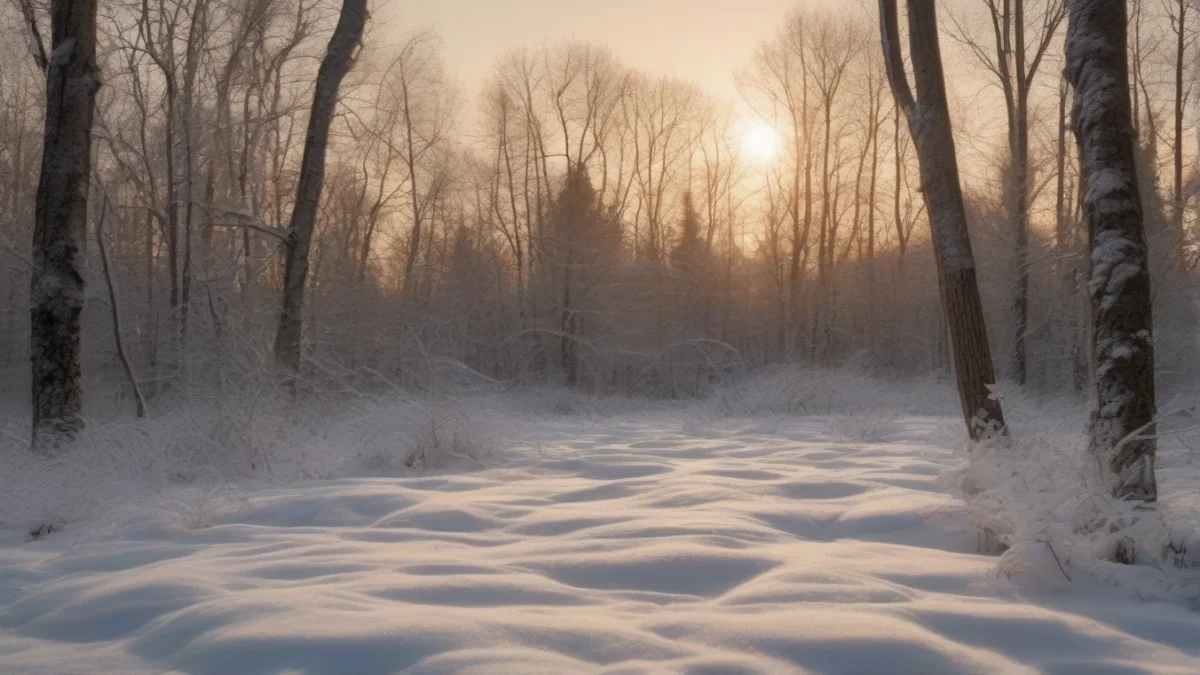
This daily cycle means the ecosystem faces a repeated warm-cold pattern: snow melts during the warm afternoon, then refreezes at night. That cycle affects snowpack, soil, and surface water before the system resets each night. Whether these effects accumulate depends on how often the warm days repeat and how much the temperature exceeds freezing.
These changes impact key parts of the ecosystem differently. Plants start growing earlier but risk damage from freeze-thaw cycles. Insects emerge sooner, which may not match bird migration or mammal feeding times, disrupting food chains. Soil freezes unevenly, affecting nutrient cycling, while water from melted snow alters surface water availability and temperature.
| Component | Effect |
|---|---|
| Plants | Earlier growth starts but higher risk of freeze damage |
| Animals | Shifted activity and food timing; smaller mammals blocked by crusted snow |
| Soil | Altered freeze-thaw cycles affecting nutrients |
| Water | Earlier snowmelt changes flow and temperature patterns |
The size of the impact hinges on how many warm days occur in a row and how warm they get. A few hours above 32°F (0°C) might cause minor snow melt, but longer or warmer periods lead to deeper melt, more freeze-thaw cycles, and stronger effects on plants and animals.
Where The Heat Actually Goes
Higher daytime temperatures add energy mostly to the air, soil, and surface water, rather than warming an ecosystem evenly. When these materials absorb heat, their temperature rises and their physical properties change.
As temperature increases, most materials expand and become less dense. For example, warm air is lighter than cold air because its molecules move faster and spread apart. But this density change usually matters less than how heat shifts melt, moisture, and timing in the ecosystem.
Snow and ice play a special role because they absorb a lot of heat just to melt. This energy, called latent heat, goes into changing the solid snow into liquid water instead of raising the temperature further. That is why a sunny winter day with melting snow can feel cooler than expected.
The insulation effect of snow means that even if air temperatures swing above freezing during the day, the soil underneath can stay near 32°F (0°C) longer. That protects plants and animals adapted to cold conditions from sudden freezes and thaws.
Energy flows in daily cycles too. Daytime warmth heats soil and water, but once the sun sets, those surfaces cool down by emitting infrared radiation. This cycling controls when plants start growing or insects become active, so a few warm hours in winter can trigger biological responses despite cold nights.
What Changes First In Plants And Animals
Plants, insects, and microbes often respond earliest to warmer daytime temperatures because their activity depends closely on temperature. Increased warmth speeds up processes like photosynthesis and microbial digestion.
Warmer soils accelerate decomposition, releasing stored carbon as CO2 sooner in the season. At the same time, this can dry out soil faster, which affects plant water availability and nutrient uptake.
| Organism | Response to Early Temperature Increase |
|---|---|
| Plants | Earlier bud break and leaf growth as temperature cues advance |
| Insects | Faster development and earlier emergence from dormancy |
| Microbes | Increased decomposition rates and nutrient cycling |
| Birds | Timing often tied to day length and food, so slower to adjust |
| Mammals | Depend on shelter and food availability, showing lagged responses |
Birds and mammals often lag behind plants and insects because their behavior and physiology are less tied to temperature alone. They rely more on daylight length, food supplies, or shelter conditions that don’t change as quickly.
Temperature increases also affect chemical processes. For example, solubility of gases in water decreases with warmth, and corrosion rates rise, impacting water quality and habitats. Digestion speeds up in many animals at higher temperatures, increasing energy needs and food consumption.
These effects vary by species, latitude, snow cover, and the duration of the warm period. A short warm spell may cause minor shifts, while sustained temperature increases can restructure entire seasonal patterns, affecting the whole ecosystem.
What It Means In Practice For Water, Soil, And Shelter
Daytime warming in winter can dry out wet soil, shallow ponds, and snowmelt pools by increasing evaporation. That reduces water available for plant roots and small creatures relying on moisture.
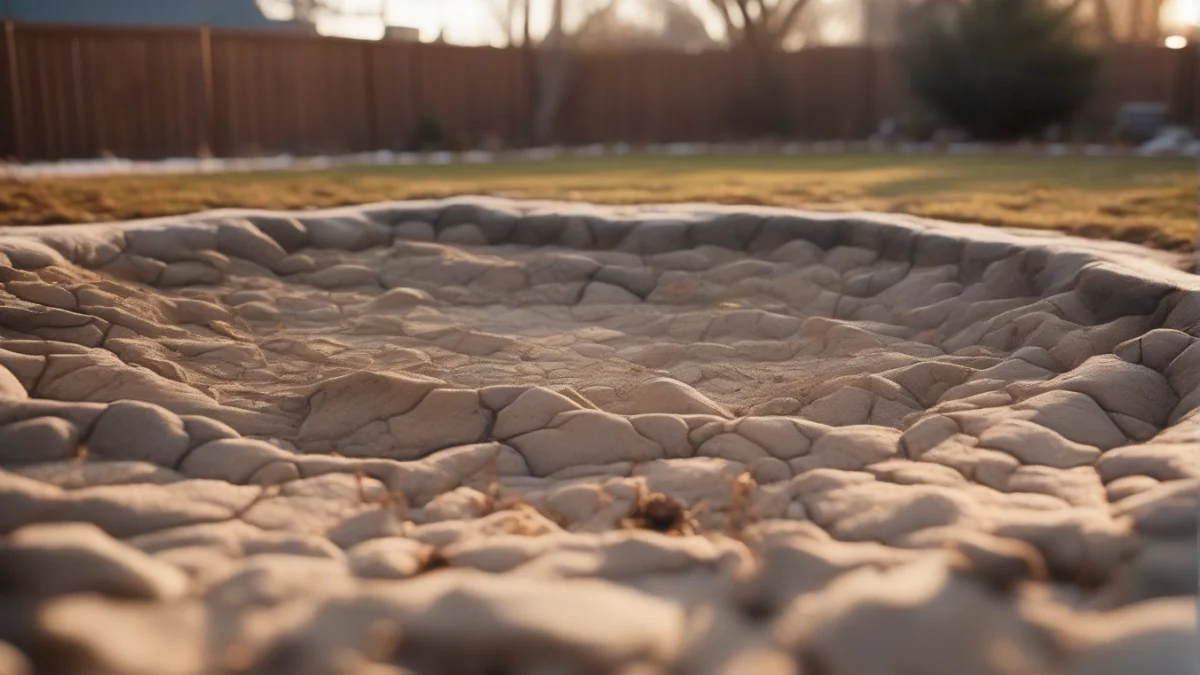
Repeated cycles of thawing during warm days followed by freezing at night often form a hard crust on soil and snow surfaces. This crust changes how animals like deer, rabbits, and ground-nesting birds move and find shelter.
Warmer days also help pests, fungi, and pathogens survive better in some areas. Moisture and occasional hard freezes still influence whether these organisms thrive or fade.
| Ecosystem Type | Response to Winter Daytime Warming |
|---|---|
| Sheltered Forests | Snow melts slower, soil remains moist longer, shelter helps wildlife avoid crusts |
| Open Fields | Faster snowmelt and evaporation, more crusting, animals face tougher travel |
| Wetlands | Water levels drop with evaporation, affecting amphibians and insects |
| Urban Edges | Heat islands speed thaw, pests find refuge, altered plant cycles |
Why The Size Of The Change Matters
A single warm winter afternoon mostly softens the surface layer of snow or soil. But several warm days in a row can shift the whole seasonal pattern, affecting when plants grow and animals forage.
Ecosystems respond to temperature thresholds like freezing, snowmelt, and dormancy break. Small shifts crossing these points can trigger big changes in behavior and survival.
Frequent swings between thaw and refreeze stress roots, bark, and animal burrows more than steady mild conditions. Those cycles cause physical damage that builds up over time.
| Temperature Change Type | Effect on Ecosystems |
|---|---|
| Brief warm spell | Surface softens, minor disruption |
| Repeated warm days | Seasonal cycle shifts, early plant activity |
| Season-wide warming trend | Long-term habitat changes, altered food webs |
What A Reader Should Check Before Blaming The Weather
Daily increases in winter daytime temperatures happen because the sun adds heat during daylight hours, warming the air and surfaces. This rise can melt snow and speed up life cycles in plants and animals, but insulation—like snow cover or leaf litter—only slows heat loss; it doesn’t raise temperatures on its own.
Before attributing changes in your local ecosystem to warmer winter days, check a sequence of weather conditions over several days, not just a single warm day. A sustained pattern of higher daytime highs combined with nighttime lows above freezing is more likely to impact snow melt, soil moisture, and biological activity.
More Questions, Answered
How does a warmer winter day affect snow cover in an ecosystem?
Why does insulation not increase temperature in nature?
Why do plants respond faster than animals to daytime warming?
What happens to soil when winter days get warmer?
Why does temperature increase throughout the day?
Why does the temperature increase everyday during some winters?
How can repeated warm days change food timing in an ecosystem?

I am a mechanical engineer and love doing research on different home and outdoor heating options. When I am not working, I love spending time with my family and friends. I also enjoy blogging about my findings and helping others to find the best heating options for their needs.
Related guides

Hot Water Heating Systems: Smart Energy Savings for Homes
You walk past your water heater every day. It sits in the basement or a closet, humming quietly,…
Lowest Energy Use Electric Heaters: 26 Cents an Hour
See which electric heaters use the least power, what they cost to run, and how to trim the…
How Insulation Boosts Heater Efficiency (30% Savings)
You crank the thermostat. The heater runs and runs. Your heating bill climbs, but the house still feels…
