
You expect your Bradford White water heater to last for years. It’s a reliable brand, built with quality components. Yet, sometimes, you might notice rust on the tank or discolored water, signs of trouble long before the warranty expires. This premature rusting is frustrating, but it’s almost always a symptom, not a random failure.
The good news is you can often diagnose and fix the root cause. The process involves understanding a simple battle happening inside your tank. It’s a fight between your water heater’s defenses and the corrosive properties of your water. Let’s break down why this happens and what you can do about it. For a proactive, long-term solution to the most common rust cause, many professionals now recommend upgrading to a Corro-Protec Powered Anode. This device actively prevents tank corrosion without depleting, a modern fix for an age-old problem.
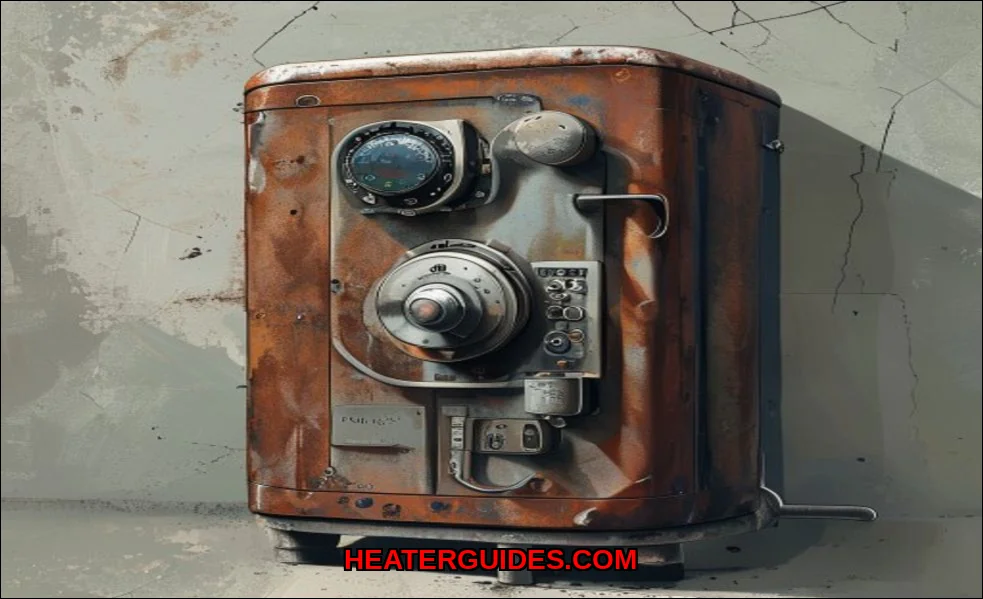
How a Water Heater Tank Rusts (The Science)
Your water heater tank is a steel container constantly holding water. Steel and oxygenated water naturally want to react, a process we call rust or corrosion. To prevent this, manufacturers line the inside of the tank with a glass or porcelain coating. This tank liner acts as a physical barrier.
But this liner isn’t perfect. Tiny imperfections, scratches from mineral grains, or thermal stress can create microscopic breaches. Once the steel is exposed, electrolytic corrosion begins. This is where two different metals in an electrolyte (your water) create a small electrical current. The less “noble” metal sacrifices itself to protect the other. In your water heater, the sacrificial anode rod is designed to be that less noble metal, taking all the corrosive attack so your tank doesn’t have to.
The Critical Role of the Anode Rod
Think of the anode rod as your tank’s bodyguard. It’s a metal rod (usually magnesium, aluminum, or a combination) screwed into the top of the tank. Because it’s more chemically active than the steel tank, it deliberately corrodes first. This process is called “sacrificing” itselfhence the name sacrificial anode rod.
As long as the anode rod is active, it attracts all the corrosive elements in the water. It slowly wastes away over 3-5 years on average. Once it’s completely depleted, the corrosive attack switches to the next available metal: your steel tank walls, the welded seams, or even the heating elements in electric models. Checking and replacing this rod is the single most important maintenance task you can perform.
How to Check Your Bradford White Anode Rod
You’ll need a 1-1/16″ deep socket (for most models), a breaker bar or long ratchet, and Teflon tape. First, turn off the power or gas supply to the heater. Shut off the cold water inlet. Attach a hose to the drain valve and open it to relieve pressure. Locate the anode rod port on top of the tankit often looks like a separate hex-head plug next to the hot water outlet. Loosen and remove the rod.
Inspect it. A healthy rod will have some wear but still have a thick core. If it’s less than 1/2 inch thick, heavily pitted, or has completely dissolved (you might just find the wire core), it’s time for a replacement. This is a key step in answering the question of how to check Bradford White anode rod health.
Top Causes of Early Rust in Bradford White Heaters
Bradford White builds durable heaters, but they are not immune to external factors that accelerate corrosion. Here are the primary culprits behind premature rusting.
1. Anode Rod Failure or Incompatibility
This is the #1 cause. The rod can fail faster than expected due to your water chemistry. In areas with very hard water (high mineral content), the rod can become coated with calcium carbonate. This “passivates” it, forming a crust that stops it from working, even if it looks intact. Alternatively, in soft or acidic water, the rod can be eaten away in just a year or two.
2. Aggressive Water Chemistry
Your water quality is the unseen variable. Two key metrics matter:
- Low pH (Acidic Water): Water with a pH below 7 is corrosive. It aggressively attacks both the anode rod and the tank liner, speeding up tank corrosion.
- High Total Dissolved Solids (TDS): This includes salts and minerals that increase water’s conductivity, accelerating the electrolytic corrosion process.
This is why does hard water ruin water heaters faster is a common query. The answer is complex: hard water itself can cause sediment buildup and scale, which insulates the heating element and can trap corrosive water against the tank. But the calcium coating it leaves on the anode rod is often the bigger rust culprit.
3. Sediment Buildup and Stagnation
Sedimentsand, silt, and precipitated mineralssettles at the bottom of the tank. This creates a damp, concentrated environment where corrosion can thrive underneath the sediment layer. If the tank isn’t flushed annually, this localized pitting can eat through the glass lining.
4. Installation & Environmental Factors
Where and how the heater is installed matters. A humid environment like a basement or garage increases external rust risk. Improper venting on gas models can lead to condensation and acidic flue gas corrosion. Even the use of a water softener can be a double-edged sword; while it treats hard water, it often replaces calcium with sodium, making the water more conductive and potentially more corrosive to the anode rod and tank.
5. Specific Model Considerations
Bradford White’s Defender Safety System and other models have specific dielectric unions and connectors to prevent galvanic corrosion between dissimilar pipes. If these are bypassed during installation with copper pipes directly touching the steel fittings, you create a perfect setup for accelerated electrolytic corrosion. Always check the official Bradford White website for model-specific installation manuals.
Step-by-Step: Diagnosing Rust & Corrosion
Wondering about the signs your water heater is rusting inside? Follow this diagnostic path.
- Check the Water: Fill a white bucket with hot water from a faucet. Let it sit. Look for reddish-brown sediment settling at the bottom. This is a classic sign of internal tank rust.
- Check the Anode Rod: As described above. This is your definitive diagnostic tool.
- Listen and Look: Popping or rumbling sounds indicate excessive sediment buildup. Visible rust streaks or weeping from tank seams or the T&P valve are serious red flags.
- Review Your Water Report: Contact your municipal water supplier or get a test kit. Know your water’s pH and hardness level.
When comparing brands, it’s useful to look at features side-by-side, such as in our analysis of Bradford White vs Rheem water heaters.
How to Prevent Premature Rust & Extend Lifespan
You can significantly influence your water heater’s water heater lifespan. A proactive approach beats a reactive replacement every time.
1. Anode Rod Maintenance & Upgrade
Inspect the anode rod every 2 years. Replace it when it’s 50% depleted. Consider the material:
| Anode Type | Best For | Note |
|---|---|---|
| Magnesium | Most areas with neutral pH water | Offers strong protection but corrodes fastest in soft/acidic water. |
| Aluminum/Zinc | Areas with soft or smelly (sulfur) water | Corrodes slower than magnesium, good for odor control. |
| Powered (Corro-Protec) | All water types, long-term solution | Uses impressed current to protect tank, never needs replacement. |
2. Manage Water Quality & Sediment
- Install a Whole-House Water Filter: Reduces sediment entering the tank.
- Adjust pH if Needed: If your water is acidic (pH < 7), installing a neutralizing filter or calcite feeder can protect your entire plumbing system.
- Flush the Tank Annually: This removes mineral buildup and sediment. Simply connect a hose to the drain valve and let it run until the water runs clear.
3. Ensure Proper Installation & Environment
Make sure the unit is installed on a level pad in a dry area. Verify all dielectric unions are in place if connecting to copper pipe. For gas models, ensure proper draft and venting to avoid condensation. If you’re selecting a new unit, understanding the options is key, which you can explore in our guide to the best Bradford White gas water heater models.
4. Understand Your Warranty
It’s crucial to know your Bradford White warranty rust coverage. The tank warranty (often 6-12 years) typically covers defects in the tank liner. However, it will not cover failure due to a depleted anode rod, improper water quality, or lack of maintenance. Your maintenance records (especially anode rod checks) are your best defense in a warranty claim.
Your Bradford White water heater is a significant investment. Its early rusting is almost always a solvable puzzle, centered on the sacrificial anode rod and your unique water chemistry. You have the power to intervene. Start with an anode rod inspection. Understand your water. Commit to an annual flush. These simple, proactive steps turn you from a passive owner into an active protector, ensuring you get every year of service your heater was built to deliver.
