

Yes, a leaking water heater can cause a high electric bill, as it may lead to increased energy consumption to maintain water temperature and compensate for the loss, resulting in higher utility costs.
A leaking water heater can significantly increase your electricity costs. When hot water escapes, the unit works overtime to maintain temperature, consuming more energy. This article explains how leaks impact efficiency and what you can do about it.
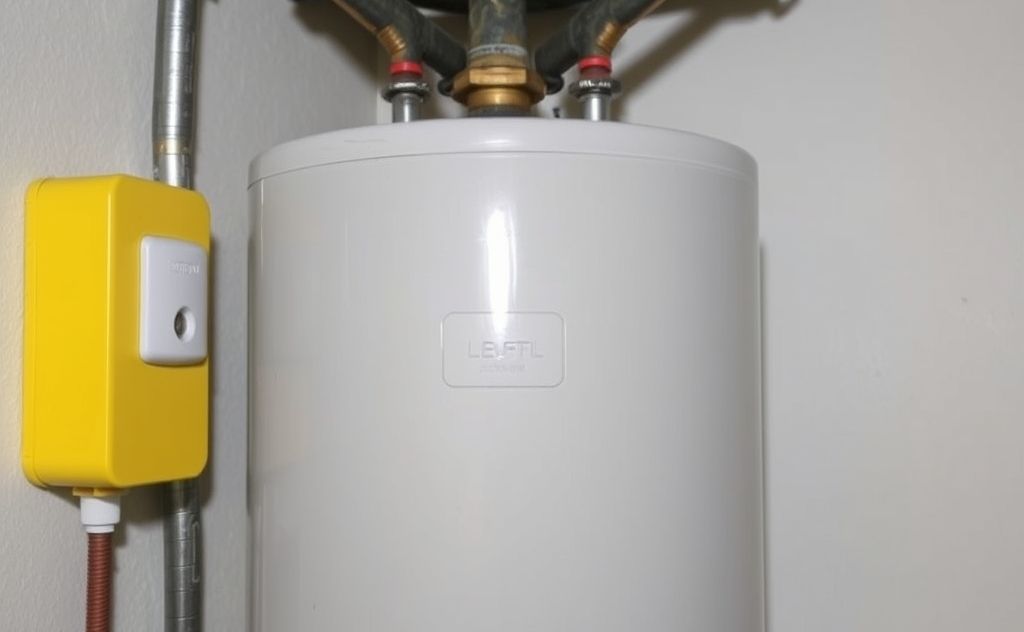
How Water Heater Leaks Increase Electricity Usage
Leaks force your water heater into a continuous cycle of reheating. Here’s what happens:
- Hot water escapes through leaks
- Cold water enters to replace lost volume
- The heating element activates more frequently
- Energy consumption rises dramatically
According to John Owens Services, even small leaks can cause noticeable spikes in your electric bill.
The Reheating Cycle Explained
A 40-gallon electric water heater typically uses 4,500 watts. When leaking:
| Leak Size | Additional Runtime | Monthly Cost Increase |
|---|---|---|
| 1 gallon/hour | 3-4 hours/day | $15-$20 |
| 2 gallons/hour | 6-8 hours/day | $30-$40 |
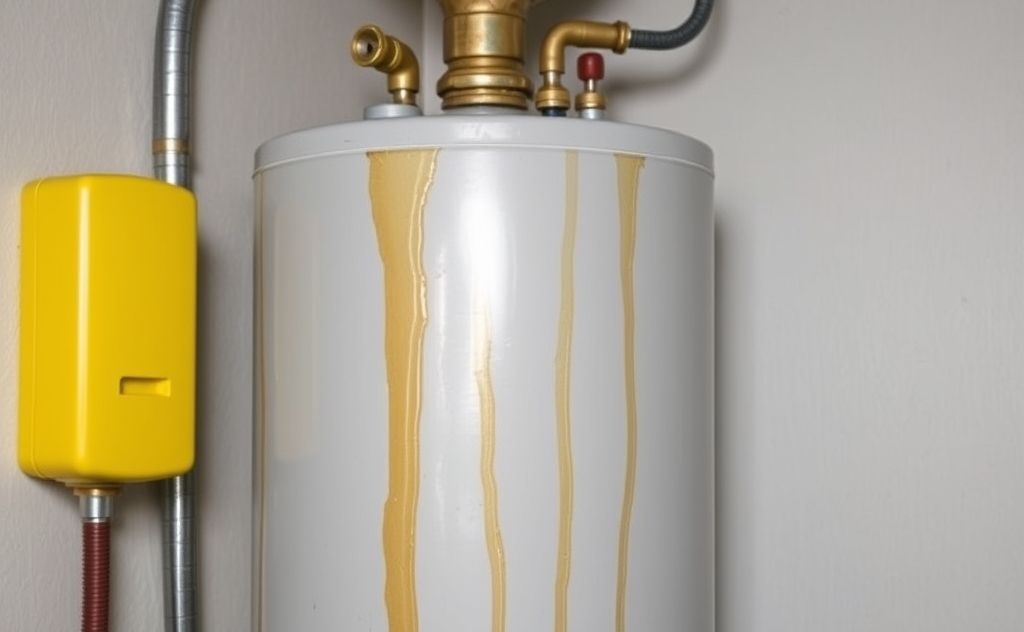
Other Causes of High Bills From Faulty Water Heaters
While leaks are a primary concern, several other issues can also increase energy consumption:
Sediment Buildup
Mineral deposits insulate heating elements, reducing efficiency. This forces longer heating cycles. Descaling your water heater can restore performance.
Failing Thermostat
A malfunctioning thermostat may cause continuous heating, wasting energy. The unit keeps running even after reaching temperature.
Insulation Problems
Deteriorated tank insulation allows heat loss. Your heater works harder to compensate. Consider adding a water heater blanket for improved efficiency.
Identifying a Leaking Water Heater
Watch for these warning signs:
- Water pooling around the base
- Constant running sound
- Higher than normal electric bills
- Reduced hot water supply
- Rust-colored water
The U.S. Department of Energy recommends annual inspections to catch leaks early.
Solutions for Leak-Related Energy Waste
Immediate Fixes
For minor leaks:
- Turn off power to the unit
- Tighten pipe connections
- Replace faulty valves
- Drain and flush the tank
When to Replace
Consider replacement if:
- The tank is over 10 years old
- Leaks come from tank seams
- Repair costs exceed 50% of new unit price
Modern tankless water heaters can reduce energy use by 24-34% compared to storage models.
Preventing Future Leaks
Extend your water heater’s life with these maintenance tips:
- Flush the tank annually
- Test the pressure relief valve
- Inspect anode rods every 3 years
- Monitor water pressure (keep below 80 psi)
- Install a water softener if needed
Proper maintenance can prevent most leaks and maintain efficiency. For complex issues, consult a licensed plumber.
Related pick: Check today's price on Amazon

I am a mechanical engineer and love doing research on different home and outdoor heating options. When I am not working, I love spending time with my family and friends. I also enjoy blogging about my findings and helping others to find the best heating options for their needs.
Related guides

Top 5 Flexible Gas Hoses for Water Heaters You Didn’t Know You Needed
Cheap gas hoses leak—but EZ-Fluid and AMI PARTS deliver reliability. When it comes to flexible gas hoses for…
Easy Rheem Water Heater High-Limit ECO Reset Kit for Electric Models
Fix your Rheem water heater quickly with the high-limit ECO reset button kit designed for electric models. Simple…
Troubleshooting Tankless Water Heater: Unusual Beeping at 12 Degrees
Troubleshoot and fix the beeping noise on your tankless water heater at 12 degrees. Get actionable solutions to…
