Fix a Bradford White Pilot Light That Won’t Stay Lit
On this page 6 sections
When your Bradford White water heater’s pilot light won’t stay lit, it’s usually a safety feature shutting off gas flow because it doesn’t detect a stable flame. The first thing to check is the thermocouple, which senses the flame’s heat and tells the gas valve to stay open.
Many people try to relight the pilot repeatedly without diagnosing the cause, wasting gas and risking safety. This guide walks you through the exact checks and fixes to get your heater running safely and reliably again.
Fix a Bradford White Pilot Light That Won’t Stay Lit
When your Bradford White water heater pilot light won’t stay lit, the problem often involves the thermocouple, pilot assembly, or drafts disrupting the flame. This guide walks you through checking these parts and fixing common issues safely.
The pilot light’s job is to ignite the main burner by producing a small, steady blue flame. The thermocouple acts as a safety sensor: it senses heat from the flame and signals the gas valve to stay open. If the flame is weak or the thermocouple is faulty, the gas shuts off and the pilot goes out.
Start by turning the gas control knob to “Off” and wait at least five minutes before working. This pause allows any gas in the area to clear and reduces risk. Never skip this step.
Remove the access panel to reach the pilot assembly. Use compressed air or a soft brush to clean dust and debris from the pilot tube and orifice. A clogged orifice restricts gas flow, causing a weak or flickering flame that won’t stay lit.
Light the pilot with a match or igniter while holding the gas control knob in the “Pilot” position. Hold the knob down for about 30 seconds; this heats the thermocouple so it properly signals the valve to stay open. The flame should be a stable blue cone, wrapping around the thermocouple tip.
If the flame looks right but the pilot still won’t stay lit, test the thermocouple. You can check it without tools by heating the tip with a lighter: if the gas stays on, the thermocouple works. For a precise test, use a multimeter set to millivolts. A good thermocouple produces about 25–30 mV when heated.
Replacing the thermocouple is straightforward: shut off gas, disconnect the old one from the gas control valve and pilot bracket, then install the new Bradford White 266832 Pilot Assembly including the thermocouple. Reassemble and relight following the same steps.

After relighting, check for drafts near the water heater. Airflow from open doors, windows, or vents can blow out the pilot light. Seal gaps or relocate the heater if drafts persist.
Call a licensed technician if the pilot light still won’t stay lit after these steps. Problems with the gas control valve, thermal switch, or internal wiring require professional diagnosis and repair. Don’t force or bypass safety features.
Check the Thermocouple Before Buying Parts

Start by inspecting the thermocouple, a safety sensor that tells the gas valve to stay open when the pilot flame is present. A faulty thermocouple is a frequent cause of pilot light failure.
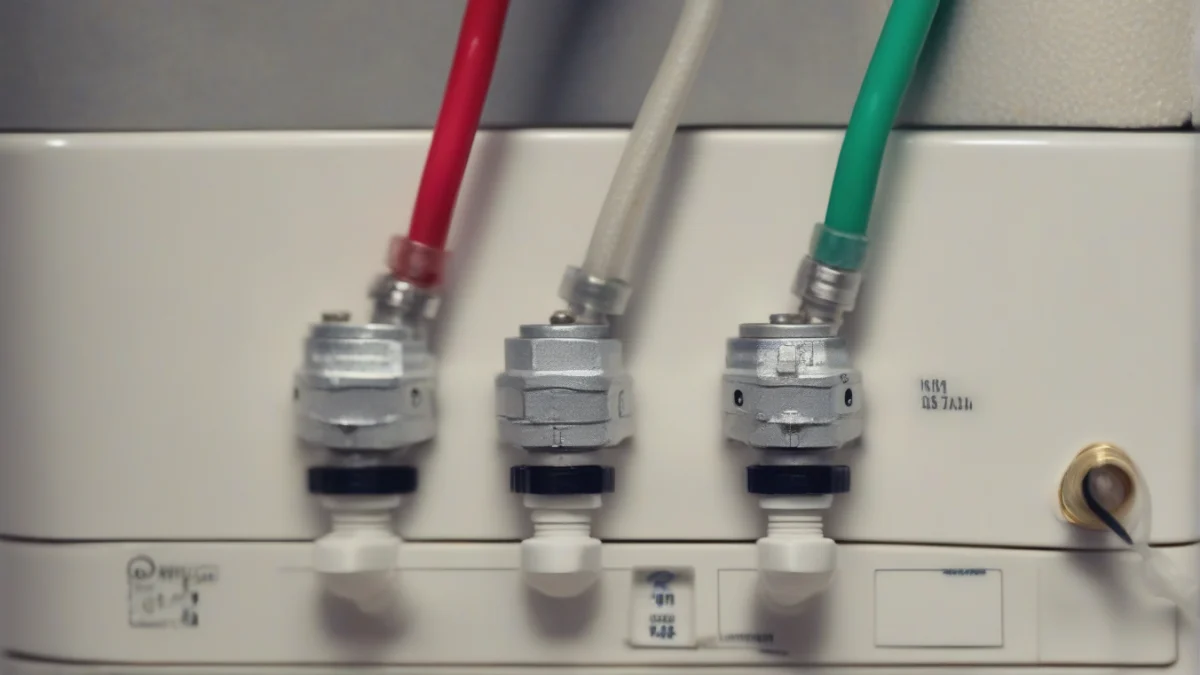
Next, test the thermocouple’s electrical output using a multimeter set to millivolts. Disconnect the thermocouple from the gas control valve first. Light the pilot and hold the control knob down for about 30 seconds to heat the thermocouple. While holding the knob, place the multimeter leads on the thermocouple terminals.
A good Bradford White thermocouple should produce between 25 and 35 millivolts under proper heat. Readings below 20 millivolts usually indicate a weak or failing thermocouple. If the meter shows zero or fluctuating values, the thermocouple likely won’t keep the gas valve open.
Watch for common signs of failure beyond test readings. A pilot flame that flickers, is yellow instead of blue, or seems too small to touch the thermocouple properly can cause low voltage output. Also check for loose or corroded connections at the thermocouple and gas valve.
The Bradford White thermocouple test is straightforward but requires care. Never test it without the pilot flame on or you risk damaging the meter. Always follow safety steps like turning off the gas control knob after testing and ensuring good ventilation to avoid gas buildup.
If your thermocouple fails the millivolt test or shows visible damage, replacement is usually the best option. Bradford White offers compatible pilot assemblies with thermocouples included, making installation easier and ensuring proper fit and function.
Clean and Inspect the Pilot Assembly and Orifice
A clogged pilot orifice can prevent a steady flame. Dirt, dust, or spider webs often block the tiny opening where gas flows to the pilot light. Cleaning it restores proper gas flow and flame stability.
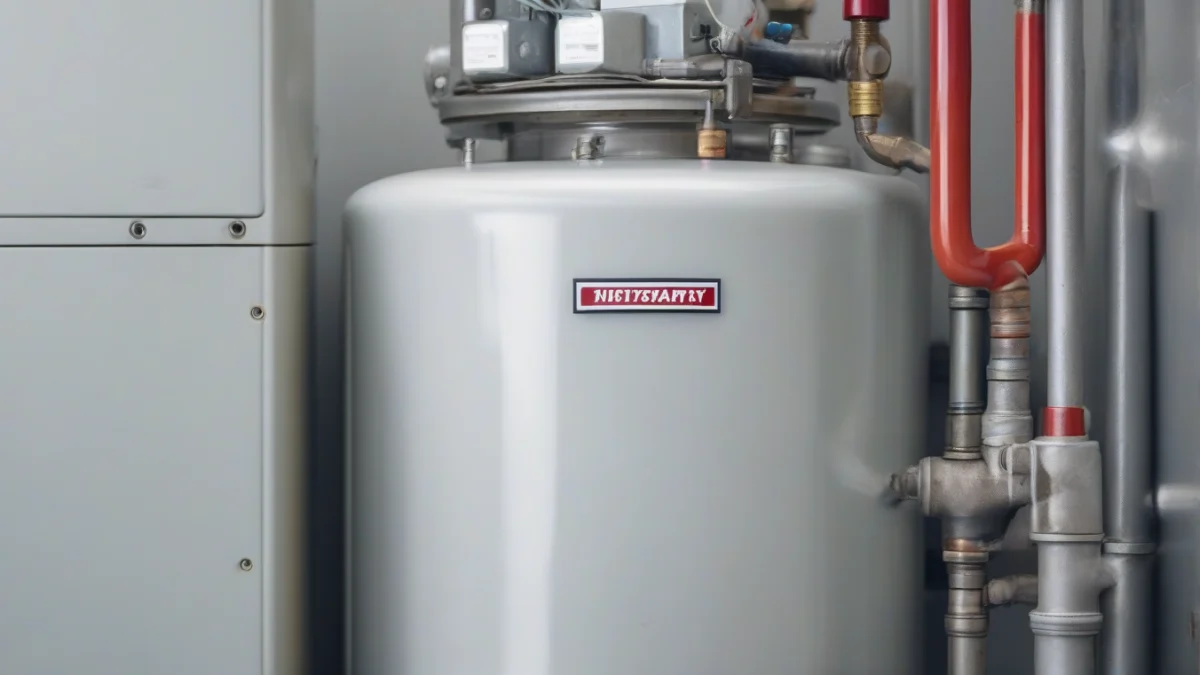
A clogged orifice restricts gas flow, producing a weak yellow flame rather than the stable blue one needed to heat the thermocouple properly. The flame’s heat signals the gas valve to stay open. If the thermocouple doesn’t get enough heat, the pilot light will not stay lit. Cleaning restores proper gas flow and flame shape, which often fixes pilot light failure without replacing parts.
 Water Heater Owner's ToolkitFix the common faults yourself, keep it running for years, and know when a repair is money wasted.No-hot-water flowcharts, gas and electricFlush, anode, relief valve and descaling stepsRepair-or-replace calculator (Excel)
Identify and Eliminate Drafts or Ventilation Problems
Drafts or poor ventilation can blow out the pilot light or cause it to flicker. Identifying and removing sources of airflow near the heater helps maintain a steady flame.
Ensure the water heater room has adequate air supply. Closed or tightly sealed rooms can cause a draft problem because the pilot flame needs oxygen to burn steadily. You may need to crack a window or install a vent to improve airflow.
If drafts are unavoidable, try shielding the pilot light with a wind guard designed for your model or adjust the pilot tube slightly to make the flame less exposed. Be cautious not to block the flame or interfere with gas flow. These steps reduce the chance of the pilot light blowing out due to airflow.
When to Call a Licensed Technician or Replace the Gas Control Valve
If you’ve checked and cleaned the thermocouple and pilot assembly and ruled out drafts but the pilot light still won’t stay lit, the gas control valve may be failing. Replacing this valve or calling a licensed plumber is the safest next step.
If the pilot light won’t stay lit even with a new thermocouple and a clean pilot assembly, the gas control valve may be failing to open or close properly. This valve controls gas flow to both the pilot and main burner, so any malfunction demands professional diagnosis.
Never ignore the smell of gas or suspect a leak. Turn off the gas supply immediately, avoid using electrical switches or open flames, and call your gas company or a licensed technician. Gas leaks pose a direct risk of fire or explosion and require expert handling and repair.
Gas control valve replacement involves working with live gas lines and may include adjusting or resetting the thermal switch. Manufacturers recommend a licensed plumber or HVAC technician for this task to ensure proper installation and compliance with local codes.
Attempting to replace or repair the gas control valve yourself can void your water heater’s warranty. Bradford White warranties often require professional service records before covering parts or labor related to gas valve issues.
Knowing when to call a plumber or technician: if you have ruled out a faulty thermocouple, cleaned the pilot orifice, eliminated drafts, and the pilot still won’t stay lit, it’s time to get expert help. They can test the gas valve’s function with specialized equipment and safely replace it if needed.
Licensed technicians also verify proper ventilation and safety controls, protecting you from carbon monoxide risks and ensuring your water heater runs reliably all winter long.
For more on pilot light troubleshooting and when to bring in a pro, see our full Bradford White water heater troubleshooting guide.
Remember, a faulty gas control valve is the last step in the pilot light failure chain you should check. Don’t waste time or risk safety by delaying a call to the pros when it’s clearly needed.