You’ve probably felt it—that moment when the summer sun turns from pleasant to punishing, or when a winter wind cuts through your coat like it’s not there. Your body notices. Your heart beats faster, your breath shortens, and you start to wonder if this is just discomfort or something more serious. The truth is, temperature extremes are not just uncomfortable. They’re a genuine health threat that sends thousands of people to emergency rooms every year.
This guide digs into the physiology behind heat and cold stress, explains who’s most at risk, and gives you concrete strategies to protect yourself and your family—whether you’re dealing with a 100°F heatwave or a 20°F cold snap. You’ll learn about wet-bulb temperature, how common medications can turn a hot day dangerous, and why the effects of extreme weather can show up days later. No fluff, just the science and the practical steps that matter.
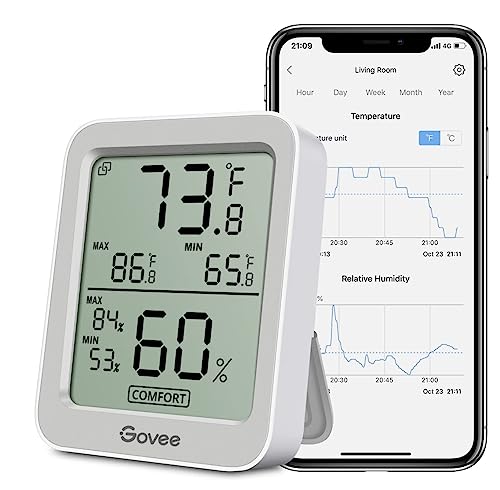
Govee
Govee Indoor Hygrometer Thermometer H5075 with Bluetooth…
- Easy to Connect: Simply download the Govee Home app, search for and select H5075, and pair it successfully within minutes. With a…
- Accuracy: Built-in Swiss-made smart hygrometer sensor, the temperature is accurate to ±0.54°F while humidity is ±3%RH. It provides…
- Large LCD Display: It offers realtime temp/humidity readings with large numbers and max/min records on 3 inch LCD screen, comes wi…
Keeping your living space in a safe range is the first line of defense. A simple Govee Indoor Hygrometer Thermometer H5075 lets you monitor temperature and humidity in real time, with alerts when conditions drift out of your preset range. It’s a small tool that can make a big difference, especially if you’re caring for someone vulnerable.

The Hidden Danger of Temperature Extremes
Most people think of temperature extremes as a summer problem. Heatwaves grab headlines, and rightly so. But cold kills too—in fact, cold-related deaths outnumber heat-related ones in many countries. The World Health Organization notes that extreme temperatures, both hot and cold, contribute to excess mortality, especially among older adults and those with chronic conditions.
The danger isn’t just the temperature itself. It’s how your body responds. When it’s hot, your body works to cool itself through sweating and increased blood flow to the skin. When it’s cold, it conserves heat by constricting blood vessels and shivering. Both responses put stress on your cardiovascular system, kidneys, and other organs. The problem is when the stress becomes too much for your body to handle.
That’s where the real risk lies. A healthy young person can handle a wide range of temperatures, but someone with heart disease, diabetes, or who’s taking certain medications may struggle long before the thermometer hits dangerous levels. And it’s not just the immediate effects—research shows that deaths from heat can continue for days after the heatwave ends, as organs struggle to recover from the strain.
Here’s the thing: you don’t need to live in a desert or the Arctic to be at risk. Even moderate temperature swings can be dangerous for vulnerable people. That’s why understanding the mechanisms behind these risks is so important. Let’s start with heat, the more talked-about threat.
How Extreme Heat Overwhelms Your Body
Your body runs on a narrow temperature range—around 98.6°F (37°C). When the environment gets hot, your body has to work hard to keep your core temperature stable. It does this through two main mechanisms: sweating and increasing blood flow to your skin. Both help dissipate heat, but they come at a cost.
Sweating loses water and electrolytes. If you don’t replace them, you become dehydrated, which reduces blood volume and makes your heart work harder. Increased blood flow to the skin means less blood goes to your internal organs, including your brain, kidneys, and liver. This can lead to heat exhaustion, characterized by heavy sweating, weakness, dizziness, and nausea. Left untreated, heat exhaustion can progress to heatstroke, a life-threatening condition where your core temperature rises above 104°F (40°C) and your body’s cooling systems fail entirely.
Heatstroke is a medical emergency. It can cause confusion, seizures, and organ failure. The mortality rate is high—up to 10% even with treatment, and much higher if treatment is delayed. That’s why it’s crucial to recognize the signs early and act fast.
The Role of Humidity and Wet-Bulb Temperature
Humidity changes everything. When the air is humid, sweat doesn’t evaporate as easily, so your body’s primary cooling mechanism becomes less effective. That’s why a 95°F day with 80% humidity feels far more dangerous than a 105°F day with dry air.
Meteorologists use a metric called wet-bulb temperature to capture this combined effect. It’s the temperature read by a thermometer wrapped in a wet cloth and exposed to moving air—it accounts for both heat and humidity. A wet-bulb temperature of 95°F (35°C) is considered the theoretical limit of human survivability for healthy people, because at that point, sweat can no longer evaporate at all. Even with unlimited water and shade, your body can’t cool itself, and core temperature rises to lethal levels within hours.
This isn’t just theoretical. The 2026 Pacific Northwest heatwave saw wet-bulb temperatures approach dangerous levels, and hundreds of people died. Climate change is making such events more frequent and more intense. You don’t need to be a scientist to understand the risk—if it feels like a sauna outside, it’s a serious threat.
Medications That Raise Your Heat Risk
One thing most people don’t consider is how their medications affect their body’s ability to handle heat. Several common drugs can impair thermoregulation, increase dehydration risk, or blunt the warning signs of heat illness.
- Diuretics (water pills) increase urine output, which can lead to dehydration and electrolyte imbalances, especially in hot weather.
- Beta-blockers (for blood pressure) reduce heart rate and cardiac output, which limits your body’s ability to increase blood flow to the skin for cooling.
- Antihistamines (for allergies) can reduce sweating by blocking cholinergic pathways, impairing your body’s main cooling mechanism.
- Antidepressants and antipsychotics can interfere with the hypothalamus, the brain’s thermostat, and some increase the risk of serotonin syndrome or neuroleptic malignant syndrome, both of which can cause hyperthermia.
- Stimulants (like ADHD medications) can increase metabolic heat production and raise core temperature.
If you take any of these, you need to be extra careful during heatwaves. Talk to your doctor about your specific risk, and don’t stop taking your medication without medical advice. Just be aware that your body might not respond to heat the way it used to.
The Underestimated Threat of Extreme Cold
Cold gets less attention, but it’s just as deadly. In fact, cold-related deaths outnumber heat-related deaths in many parts of the world, including the United States. The reasons are physiological, and they go beyond just freezing to death.
When you’re exposed to cold, your body’s first response is to constrict blood vessels in your skin and extremities to keep warm blood flowing to your core. This is called vasoconstriction, and it’s why your fingers and toes go numb in the cold. But this response has a price—it raises your blood pressure and forces your heart to work harder to pump blood through narrower vessels.
For a healthy person, this is manageable. But for someone with heart disease, high blood pressure, or a history of stroke, the added strain can trigger a heart attack or stroke. Studies show that cold weather is associated with an increase in cardiovascular events, particularly in older adults.
Cold Air, Blood Vessels, and Heart Attacks
The link between cold and heart attacks is well-documented. A study in the British Medical Journal found that for every 1.8°F (1°C) decrease in temperature, the risk of heart attack increases by 2%. That might not sound like much, but a cold snap that drops temperatures by 20°F can increase heart attack risk by 20% or more.
Why? Cold air causes your airways to constrict, which reduces oxygen intake. At the same time, your heart is working harder due to vasoconstriction. The combination of reduced oxygen and increased workload can trigger ischemia—a lack of blood flow to the heart muscle. For people with existing coronary artery disease, this can be the tipping point.
Shoveling snow is a classic trigger. The combination of cold air and physical exertion can spike blood pressure and heart rate, leading to heart attacks. If you’re over 50, out of shape, or have any heart condition, be extremely cautious about strenuous activity in the cold.
Respiratory Risks in Freezing Temperatures
Cold air also wreaks havoc on your respiratory system. When you inhale cold, dry air, it can irritate your airways and trigger bronchospasm—a narrowing of the airways that makes it hard to breathe. This is particularly problematic for people with asthma or COPD.
Even healthy people can experience exercise-induced bronchoconstriction in cold weather. The cold air bypasses the warming and humidifying effect of your nose and mouth, hitting your lungs cold and dry. This can cause coughing, wheezing, and shortness of breath.
Cold air also impairs the function of cilia—the tiny hair-like structures in your airways that sweep mucus and pathogens out of your lungs. This can increase your risk of respiratory infections, which is partly why flu season peaks in winter. If you have a respiratory condition, wear a scarf over your mouth and nose in cold weather to help warm and humidify the air before it reaches your lungs.
Who Is Most Vulnerable — and Why
Some people are far more susceptible to temperature extremes than others. Understanding who’s at risk is crucial, both for your own safety and for recognizing when others might need help.
- Older adults (65+): Aging reduces the body’s ability to regulate temperature. The skin gets thinner, sweat glands become less efficient, and the cardiovascular system responds more slowly to stress. Older adults also often have chronic conditions or take medications that compound the risk.
- Young children: Kids have a higher surface-area-to-mass ratio, which means they heat up and cool down faster than adults. They also don’t sweat as efficiently and may not recognize or communicate when they’re feeling unwell. Never leave a child in a parked car, even for a few minutes.
- People with chronic conditions: Heart disease, diabetes, kidney disease, and respiratory conditions all increase vulnerability to temperature stress. Diabetes, for example, can impair blood flow and sweating, while kidney disease reduces the body’s ability to conserve water and electrolytes.
- People taking certain medications: As discussed, diuretics, beta-blockers, antihistamines, and others can impair thermoregulation.
- People with limited mobility or cognitive impairments: Those who are bedridden, have dementia, or have difficulty communicating may not be able to take protective action or express their discomfort.
- People without access to cooling or heating: Low-income households, people experiencing homelessness, and those without functioning AC or heating are at highest risk. Urban heat islands—where cities are significantly hotter than surrounding rural areas due to concrete and asphalt—can make the situation worse.
If you have a vulnerable person in your life, check on them during extreme weather events. A simple phone call or visit can be a lifesaver.
The Delayed Health Effects You Don’t Expect
Here’s a scary fact: the health effects of temperature extremes don’t end when the weather returns to normal. Studies have shown that deaths from heat can continue for up to a week after a heatwave ends. The same is true for cold snaps.
Why? Because the stress on your body doesn’t resolve immediately. Heat exhaustion can leave you dehydrated and with electrolyte imbalances for days. Cardiovascular strain can trigger a cascade of events—blood clots, arrhythmias, kidney injury—that take time to manifest. The kidneys are particularly vulnerable to heat stress, and acute kidney injury can occur hours to days after the exposure.
Similarly, cold exposure can cause a spike in blood pressure that persists after you warm up, increasing the risk of stroke or heart attack in the following days. The inflammatory response to temperature stress can also linger, affecting your immune system and making you more susceptible to infections.
This delayed mortality effect is why public health officials monitor excess deaths during and after extreme weather events, not just during the event itself. It’s also why you should continue to monitor your health—and the health of those you care for—for several days after a heatwave or cold snap.
If you or someone you know experiences symptoms like fatigue, dizziness, chest pain, or confusion days after a temperature extreme, seek medical attention. It’s better to be safe than sorry.
Practical Protection Strategies for Every Budget
You don’t need a fancy smart home system to stay safe. Here are practical, low-cost strategies that work, whether you’re dealing with extreme heat or cold.
Cooling Your Home Without Air Conditioning
Air conditioning is the most effective way to prevent heat illness, but not everyone has it. If you don’t have AC, or you’re trying to reduce your energy bills, these strategies can help:
- Block the sun: Close curtains, blinds, or shades on windows that face the sun during the day. Blackout curtains or even cardboard covered in aluminum foil can reflect heat.
- Create cross-ventilation: Open windows on opposite sides of your home in the early morning and evening when the outside air is cooler. Use fans to draw cool air in and push hot air out.
- Use a fan strategically: Fans don’t cool the air, but they create a wind-chill effect that helps sweat evaporate. Place a bowl of ice in front of a fan to create cooler air. But remember, at temperatures above 95°F, fans can actually increase heat stress by blowing hot air on you—use them only when the air is cooler than your body.
- Take cool showers or baths: A quick cool shower or a sponge bath with a wet cloth can lower your core temperature. Focus on your neck, wrists, and groin, where large blood vessels are close to the surface.
- Use the lowest floor: Heat rises, so the lowest level of your home is usually the coolest. Spend time in the basement if you have one.
- Hydrate constantly: Drink water even if you don’t feel thirsty. Avoid alcohol and caffeinated drinks, which can dehydrate you.
- Wear light, loose clothing: Light-colored, breathable fabrics like cotton reflect heat and allow sweat to evaporate.
For cold weather, the strategies are the opposite but equally simple: layer clothing, seal drafts around windows and doors, use space heaters safely, and keep your home at least 65°F if you’re over 65 or have a chronic condition.
Recognizing Early Warning Signs in Yourself and Others
The key to preventing severe illness is catching it early. Here are the warning signs to watch for:
Heat exhaustion: Heavy sweating, weakness, cold and clammy skin, nausea or vomiting, dizziness, headache, and fainting. If you or someone else shows these signs, move to a cool place, loosen clothing, sip water, and apply cool, wet cloths to the skin. If symptoms don’t improve within an hour, seek medical help.
Heatstroke: High body temperature (above 103°F), hot and dry skin (no sweating), rapid pulse, confusion, slurred speech, seizures, and loss of consciousness. This is a medical emergency—call 911 immediately. While waiting, move the person to a cooler place, remove excess clothing, and cool them with water or ice packs on the neck, armpits, and groin.
Hypothermia: Shivering (which may stop as hypothermia worsens), slurred speech, confusion, drowsiness, and weak pulse. In babies, look for bright red and cold skin and lethargy. If you suspect hypothermia, call 911 and move the person to a warm place, remove wet clothing, and warm the center of the body first—chest, neck, head, and groin—using blankets or skin-to-skin contact.
Frostbite: Numbness, tingling, and a pale or waxy appearance of exposed skin, usually on fingers, toes, nose, and ears. Warm the affected area gradually with warm water (not hot) and seek medical attention if numbness persists.
What to Do When the Forecast Turns Dangerous
When a heatwave or extreme cold is forecast, take action before it hits. Here’s a practical checklist:
- Check the forecast: Pay attention to heat advisories and wind chill warnings. Know the heat index and wind chill factor, not just the air temperature.
- Plan your day: For heat, schedule outdoor activities for early morning or evening when it’s cooler. For cold, limit time outdoors and wear layers.
- Check on vulnerable people: Call or visit elderly relatives, neighbors, and anyone with chronic conditions. Make sure they have a way to stay cool or warm.
- Prepare your home: For heat, close curtains, set up fans, and make a plan for where to go if your home gets too hot (a library, mall, or cooling center). For cold, insulate pipes, seal drafts, and ensure your heating system works.
- Stay hydrated: Drink water regularly, even if you’re not thirsty. Avoid alcohol and caffeine.
- Never leave anyone in a parked car: This is critical for children and pets. The temperature inside a car can rise 20°F in 10 minutes, even with windows cracked.
- Know when to seek help: If you or someone else shows signs of heatstroke or hypothermia, call emergency services immediately. Don’t wait.
Also, consider using a Govee hygrometer to monitor indoor conditions. It’s especially useful for checking on a baby’s room or an elderly relative’s home remotely via the app, so you can catch dangerous conditions before they become a problem.
Comparing Heat vs. Cold: Which Is More Dangerous?
| Aspect | Extreme Heat | Extreme Cold |
|---|---|---|
| Primary health threats | Heat exhaustion, heatstroke, dehydration, kidney injury | Hypothermia, frostbite, cardiovascular events, respiratory issues |
| Key physiological mechanism | Sweating and blood flow to skin overwhelm cardiovascular system | Vasoconstriction raises blood pressure and heart workload |
| Vulnerable groups | Older adults, children, chronic illness, certain medications | Older adults, infants, people with heart/respiratory disease |
| Environmental factors | Humidity (wet-bulb temperature), urban heat islands | Wind chill, dampness, lack of insulation |
| Delayed effects | Deaths continue days after heatwave; kidney injury, cardiovascular events | Blood pressure spikes, respiratory infections, heart attacks |
| Prevention | Air conditioning, hydration, shade, cool showers | Layering, heating, sealing drafts, avoiding exertion |
Neither is “worse”—both are deadly, but in different ways. The best approach is to respect both and prepare accordingly based on your local climate.
Frequently Asked Questions
How quickly can heat exhaustion turn into heatstroke?
It can happen in minutes to hours, depending on the person and the conditions. If you’re exerting yourself in extreme heat and stop sweating, your core temperature can rise rapidly—sometimes 1-2°F per hour. Once your core temperature hits 104°F (40°C), you’re in heatstroke territory, and that’s a medical emergency. Don’t wait for symptoms to escalate; act at the first signs of heat exhaustion.
Can you get hypothermia in 50°F weather?
Yes, especially if you’re wet or exposed to wind. Hypothermia occurs when your body loses heat faster than it can produce it. In 50°F water, you can become hypothermic within an hour. On land, if you’re wearing wet clothing and it’s windy, you can also lose heat rapidly. Older adults and young children are at higher risk even in mild conditions.
What is the safest indoor temperature for elderly people?
For older adults, experts recommend keeping indoor temperatures between 68°F and 75°F. Below 68°F can increase the risk of hypothermia, and above 75°F can increase heat stress. If you’re caring for an elderly person, use a thermometer to monitor the room and adjust heating or cooling as needed.
Do fans actually cool you down in a heatwave?
Fans can help, but only when the air temperature is below your body temperature (around 98.6°F). At higher temperatures, fans just blow hot air over you and can actually accelerate dehydration. In a heatwave, fans are most effective when used in conjunction with misting or placing ice in front of them. They’re not a substitute for air conditioning in extreme heat.
How do I know if my medication increases my risk in hot weather?
Check the patient information leaflet that comes with your medication, or ask your pharmacist. Drugs that affect the central nervous system, blood pressure, or fluid balance are the most likely to impact heat tolerance. Your pharmacist can tell you if your specific medications carry this risk and what precautions to take. Never stop taking a prescribed medication without talking to your doctor.
Final Thoughts: Respect the Extremes
Temperature extremes are a serious health threat, not just a weather inconvenience. The good news is that you can do something about it. Here are the key takeaways to remember:
- Heat and cold both put stress on your cardiovascular system, and both can be deadly—don’t underestimate either.
- Humidity matters as much as temperature; use the wet-bulb temperature or heat index to judge danger.
- Medications can silently increase your risk—know the side effects and talk to your pharmacist.
- Vulnerable people (older adults, children, those with chronic conditions) need extra attention during extreme weather.
- Effects can persist for days after the weather event—monitor for delayed symptoms.
- You don’t need expensive equipment to stay safe; simple measures like blocking sun, staying hydrated, and dressing appropriately go a long way.
- Consider a Govee thermometer to keep an eye on indoor conditions, especially if you’re caring for someone at risk.
Stay aware, stay prepared, and don’t ignore what your body is telling you. That’s the best protection you have.

I am a mechanical engineer and love doing research on different home and outdoor heating options. When I am not working, I love spending time with my family and friends. I also enjoy blogging about my findings and helping others to find the best heating options for their needs.
Related guides

How Temperature Changes Impact Your Skin Health
Temperature affects skin health by influencing hydration levels, oil production, and blood circulation, impacting conditions like dryness, acne,…
How Temperature Extremes Impact Human Health
Temperature significantly affects human health by influencing the risk of heat-related illnesses, exacerbating chronic conditions, and impacting mental…
How Temperature Impacts Your Immune System: Cold vs. Heat
The Winter Sickness Paradox: Why You Get Sick When It's Cold You've heard it a thousand times: "Don't…