Your electric heater plug may get hot due to poor electrical connections, overloading the circuit, or using an incompatible extension cord, which can lead to increased resistance and overheating, posing a fire risk.
A warm electric heater plug is common, but excessive heat signals danger. Understanding why plugs overheat helps prevent fires and damage.
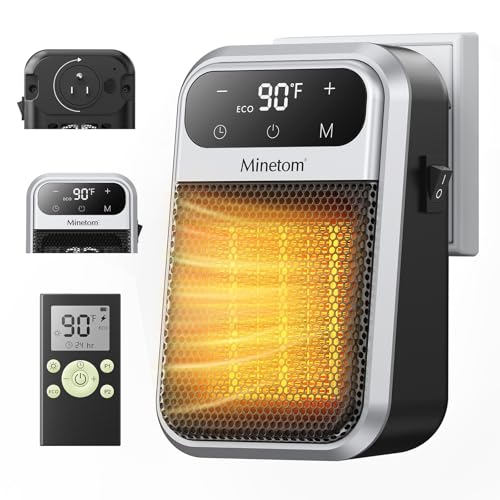
Minetom
Minetom Portable Plug In Space Heater, 800W…
- Feedback Highlights: 84% Positive Mentions for Heat Output Effectiveness ; 95% Satisfaction with Compact Size ; 92% Appreciate the…
- 𝟐𝐬 𝐏𝐓𝐂 𝐇𝐞𝐚𝐭𝐢𝐧𝐠 𝐆𝐞𝐫𝐦𝐚𝐧 𝐓𝐞𝐜𝐡𝐧𝐨𝐥𝐨𝐠𝐲: Powered by upgraded PTC Technology, this small space heater could heat up efficiently in 2s arou…
- 𝐏𝐫𝐞𝐜𝐢𝐬𝐢𝐨𝐧 𝐓𝐞𝐦𝐩 𝐂𝐨𝐧𝐭𝐫𝐨𝐥 & 𝐑𝐞𝐦𝐨𝐭𝐞: Operate the plug in heater with ease indoor to set your ideal temperature (60°F–90°F) with ±1°F a…
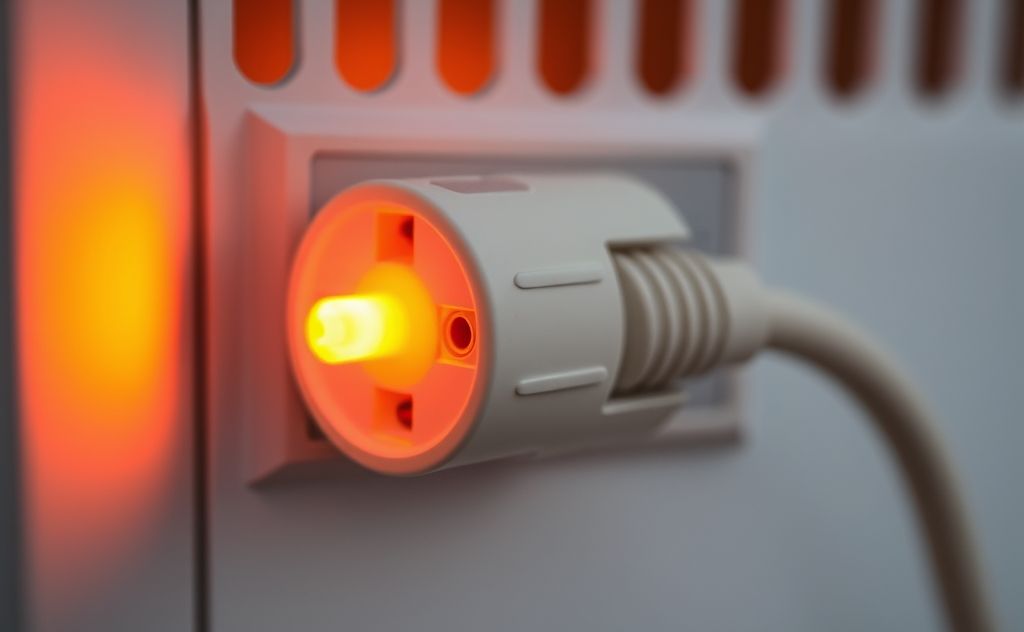
Primary Causes of Hot Electric Heater Plugs
1. High Wattage Overload
Most space heaters draw 1,500W (12.5A) on high settings. UK 13A plugs max out at 2,900W (12.6A) briefly. Continuous high loads cause heat buildup. Oil-filled radiators often run cooler at lower wattages.
2. Loose Electrical Connections
Heat occurs at resistance points. Common trouble spots:
- Fuse clips in plug (40% of cases)
- Wire terminations under screw terminals
- Worn socket contacts
3. Damaged Components
Look for:
| Component | Warning Signs |
|---|---|
| Plug pins | Discoloration, pitting |
| Socket contacts | Black marks near pin slots |
| Fuse | Melted plastic around contacts |
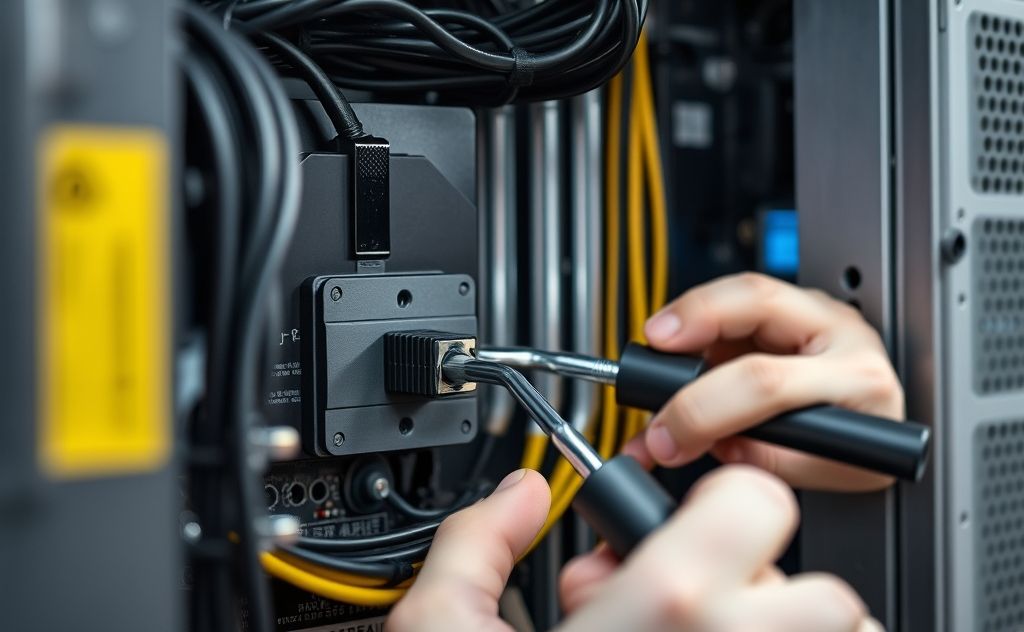
How to Diagnose a Hot Plug
Step-by-Step Inspection
- Unplug heater and let cool completely
- Check plug pins for darkening or melting
- Test fuse clip tension – should require firm pressure to remove
- Inspect wire connections for broken strands
- Try different socket – if still hot, issue is in plug or heater
When to Call an Electrician
Seek professional help if you find:
- Brown burn marks on socket face
- Plastic deformation of plug components
- Heat persists across multiple outlets
Preventing Plug Overheating
Proper Heater Selection
For continuous use, choose:
- Lower wattage models (≤1,500W)
- Oil-filled radiators with gradual heat cycles
- Units with thermal cut-off switches
Maintenance Tips
Annual checks prevent most issues:
- Clean plug pins with fine emery cloth
- Tighten loose fuse clips with pliers
- Replace worn sockets showing contact gaps
Understanding the Risks
According to Electrical Safety Foundation International, heating equipment causes 25% of winter home fires. Plug overheating often precedes these incidents.
Heat Progression Timeline
- Initial warmth at connection points (normal)
- Discoloration appears after 30+ minutes of overload
- Plastic softening occurs at 140°F+
- Full meltdown risk above 300°F
Alternative Heating Solutions
For safer continuous heating consider:
- Hardwired baseboard heaters
- Vented gas wall units
- Hydronic radiant systems
The U.S. Department of Energy recommends permanent installations over portable heaters for primary heating needs.
Related pick: Check today's price on Amazon

I am a mechanical engineer and love doing research on different home and outdoor heating options. When I am not working, I love spending time with my family and friends. I also enjoy blogging about my findings and helping others to find the best heating options for their needs.
Related guides

Transform Your Comfort with These 5 Spa Heat Pump Heaters
Struggling to keep your pool warm without skyrocketing energy bills? The right spa heat pump can efficiently solve…
ENERGY STAR Space Heaters Explained: Efficiency Claims vs Real Savings
What makes a heater truly efficient? Our ENERGY STAR space heater guide reveals the smart picks for cozy,…
DeLonghi Mica Panel Heater Review: Silent Radiant Comfort
What makes this heater so efficient? Our guide reviews the DeLonghi Mica Panel Heater for silent, targeted warmth.