

An electric fireplace that keeps shutting off can spoil your comfort on a cold night. The most common cause is overheating protection activating because the unit can’t cool properly.
Many people miss simple ventilation checks and end up replacing parts unnecessarily. Fixing airflow or clearing power issues usually costs less and restores heat quickly.
Electric Fireplace Keeps Shutting Off: Common Causes
An electric fireplace keeps shutting off most often because its overheat protection detects restricted airflow, or because the outlet, circuit, switch, thermostat, or internal sensor is dropping power. If it shuts off after a few seconds, turn it off, let it cool, and check the vents, plug, breaker, and control settings before trying it again.
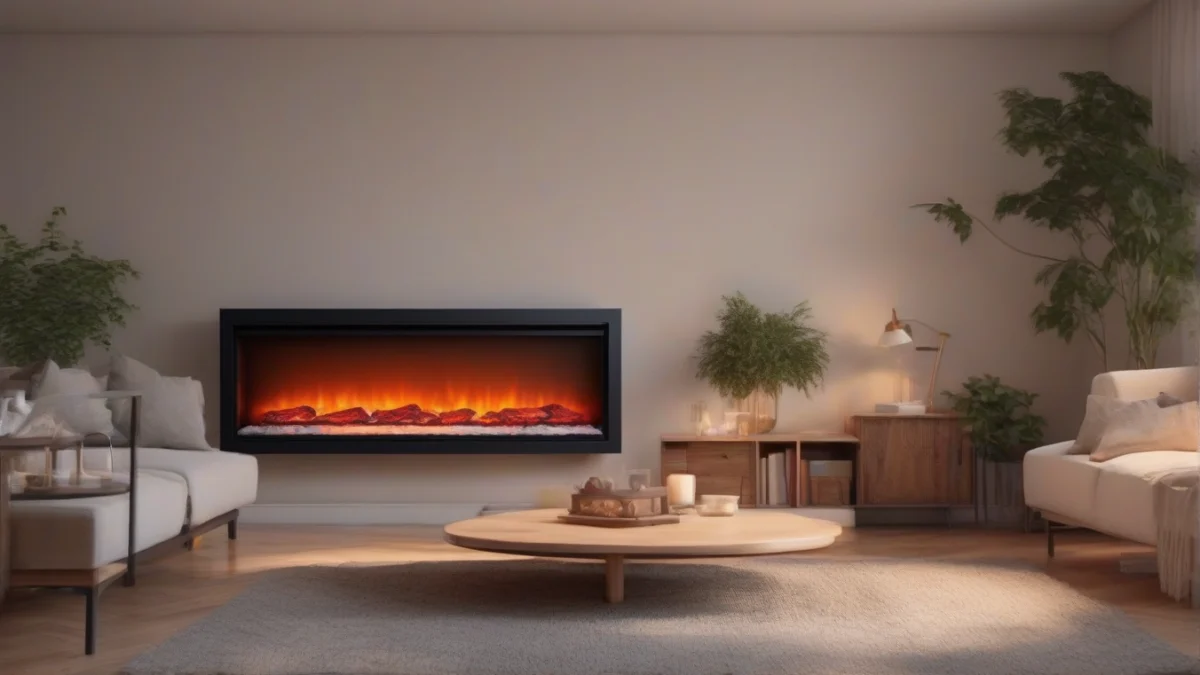
Plugging the fireplace directly into a wall outlet is essential. Avoid extension cords or power strips, as they can cause overheating or voltage drops that trigger the heater to shut off.
A power problem can look like a heater fault. A loose plug, a tripped breaker, a switched outlet, or a circuit carrying too many appliances can interrupt the fireplace. Plug it directly into a wall outlet—never an extension cord or power strip—and avoid running another high-wattage heater on the same circuit. A warm plug, buzzing outlet, scorch mark, or breaker that trips again is a reason to stop using the fireplace and call an electrician.
Thermostat and temperature-sensor faults are less common, but they can shut off the heat when the unit falsely thinks the room or heater is already hot. A remote set to a low target temperature can do something similar without any failed part. Check whether the flame display stays on while only the heat stops; that points toward a heat setting, thermostat, airflow, or sensor issue rather than total loss of power.
A 60-Second Check
- Turn the fireplace off and unplug it before touching the vents or moving the unit.
- Look at the intake and exhaust openings for dust, pet hair, furniture, or anything pressed against the cabinet.
- Push the plug fully into the wall outlet, then check the breaker and any wall switch that controls the outlet.
- Try the fireplace with the heat setting selected and the thermostat set above the current room temperature.
- Check the remote for a low battery, sleep timer, or flame-only mode; test the control panel on the fireplace if it has one.
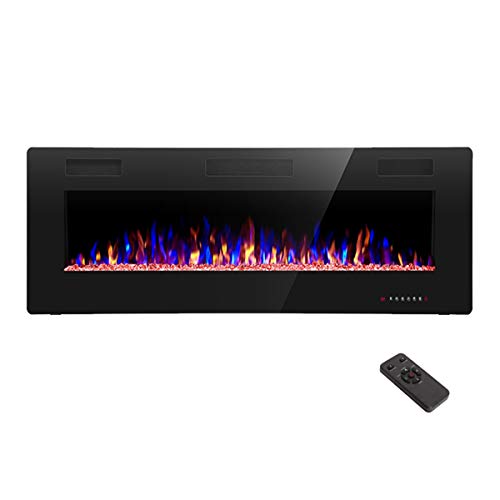
How to Identify When an Electric Fireplace Switch Is On or Off
You know an electric fireplace is on when its power indicator, display, flame effect, or heat output responds to the control; a dark panel and no response usually mean the unit is off or has no power. The exact signal depends on the model, so the control panel and manual matter more than the position of a rocker switch alone.
Common controls include a rocker switch on the side or bottom, a push button, a touch panel, a wall switch, and a remote. Some fireplaces show a red or green indicator, while others make a beep or illuminate a small display. Standby can leave a light visible without running the heater, and flame-only mode can show flames while the heating element remains off.
If the remote seems ineffective, replace its batteries, aim it at the fireplace’s receiver, and check that the heat button, thermostat, and sleep timer are set correctly. Then press the power button on the fireplace itself; a response there separates a remote problem from a power or fireplace problem.
Don’t leave the fireplace running while you’re away or asleep unless the manufacturer specifically says that operating condition is allowed. Before leaving the room, confirm whether the heat is on, the flame effect is only visual, or the unit is in standby, and keep the plug and cord free of damage.
How to Take Glass Off an Electric Fireplace Safely
To take glass off an electric fireplace, unplug the unit, let it cool completely, then remove the retaining clips, screws, or brackets shown in the manual. The exact arrangement varies: some fireplaces secure the glass along the top edge, while others use side brackets or a lower rail behind the trim.
Use a soft, dry cloth or the cleaner specified by the manufacturer. Keep liquid away from the control panel, heater opening, flame-effect electronics, and power cord. Refit the glass and every retainer before plugging the fireplace back in; an electric fireplace shouldn’t run with its protective panel loose or removed.
Reasons an Electric Fireplace Heats Up Then Shuts Off
An electric fireplace that heats up but then just shuts off is usually responding to rising internal temperature, restricted airflow, or a blower that isn’t moving enough air. The heater can work normally for several minutes before the safety cutoff opens, which makes the failure feel sudden.

Check the air intake and warm-air outlet first. Dust, pet hair, a rug, furniture, or a tight recess can reduce the air passing over the heating element. As airflow falls, heat remains inside the cabinet instead of leaving through the outlet, and the thermal safety device cuts power to protect the unit.
An electric fireplace may overheat if its internal components are clogged with dust or debris. Cleaning the vents and fan blades can restore proper airflow and prevent the unit from shutting down prematurely.
Check the Fan Before Opening the Cabinet
- Unplug the fireplace and let it cool. Clear furniture, curtains, and dust from every intake and outlet opening, following the clearance in the owner’s manual.
- Vacuum the accessible grilles with a brush attachment. Don’t spray cleaner into the openings, and don’t insert tools far enough to touch the fan or wiring.
- Restore power and select a heat setting while standing clear of the outlet. Listen for steady fan airflow and feel for warm air; flame effects alone don’t prove that the heater blower is working.
- Switch the heat off and compare the result with the flame-only setting. If the fan never starts, runs unevenly, makes a grinding sound, or the unit shuts down again after cleaning, stop using the heat function.
A thermostat cycle can also be normal: the heating element stops when the room reaches the set temperature, while the display or flame effect may remain on. Repeated shutdown after a short warm-up, weak airflow, a hot cabinet, or a burnt smell points more toward overheating or an electrical fault. Learn how the heater and flame effect differ in how electric fireplaces give off heat before treating every heat cycle as a failure.
When to Call a Technician or Replace Your Electric Fireplace
If the electric heating is off after a burning smell, spark, damaged cord, or repeated shutdown, unplug the fireplace and call a qualified technician rather than resetting it again. A breaker that trips repeatedly also points to an electrical fault, not a nuisance to work around.
A Torrey 60 landscape electric fireplace that keeps turning off needs the same first safety decision: stop using it if you smell scorched plastic, see arcing, hear crackling, or find heat damage around the plug or outlet. For model-specific fault codes, reset steps, and approved parts, check the manual and contact the manufacturer before opening the cabinet.
When Repair Makes Sense
Warranty status comes first. Find the model and serial numbers, keep your purchase record if you have it, and ask manufacturer support whether the control board, blower, thermostat, or heating element is covered. Opening the unit or fitting an unapproved part can affect warranty service.
Control-board and heating-element replacement are poor beginner repairs because they involve wiring, heat protection, and parts that must match the fireplace. A technician can test the supply, switch, thermostat, fan, and board instead of guessing at the most expensive component.
When Replacement Is Sensible
Replace the fireplace when the repair quote approaches its current value, the cabinet or wiring is heat-damaged, or the correct control board or heating element is obsolete. Repeated failures after a repair deserve the same decision. A newer unit may also make sense if you need a listed model with clearer safety controls and a usable warranty.
Quick Checklist Before Buying, Lighting, or Calling for Repair
Check that the fireplace is plugged into a dedicated 120 V outlet with a 15 A circuit breaker. Confirm the switch controlling the unit is in the ON position and that the thermostat setting is above room temperature. Ensure the heater’s air intake and exhaust vents are unobstructed and clean. Never use an extension cord or power strip with your electric fireplace, as they can cause voltage drops leading to shutdowns.
Questions People Ask
Why does my electric fireplace shut off after a few seconds?
How can I tell if my electric fireplace is overheating?
Is it safe to use an extension cord with my electric fireplace?
What should I do if my electric fireplace smells like burning?
Can a faulty thermostat cause my electric fireplace to turn off randomly?
How often should I clean my electric fireplace vents?
When is it better to replace rather than repair an electric fireplace?

HeaterGuides covers home heating, water heating and HVAC: how the equipment works, what it costs to run, and how to use it safely.
